Eco-Friendly Saona Island Tours: How to Choose Responsibly
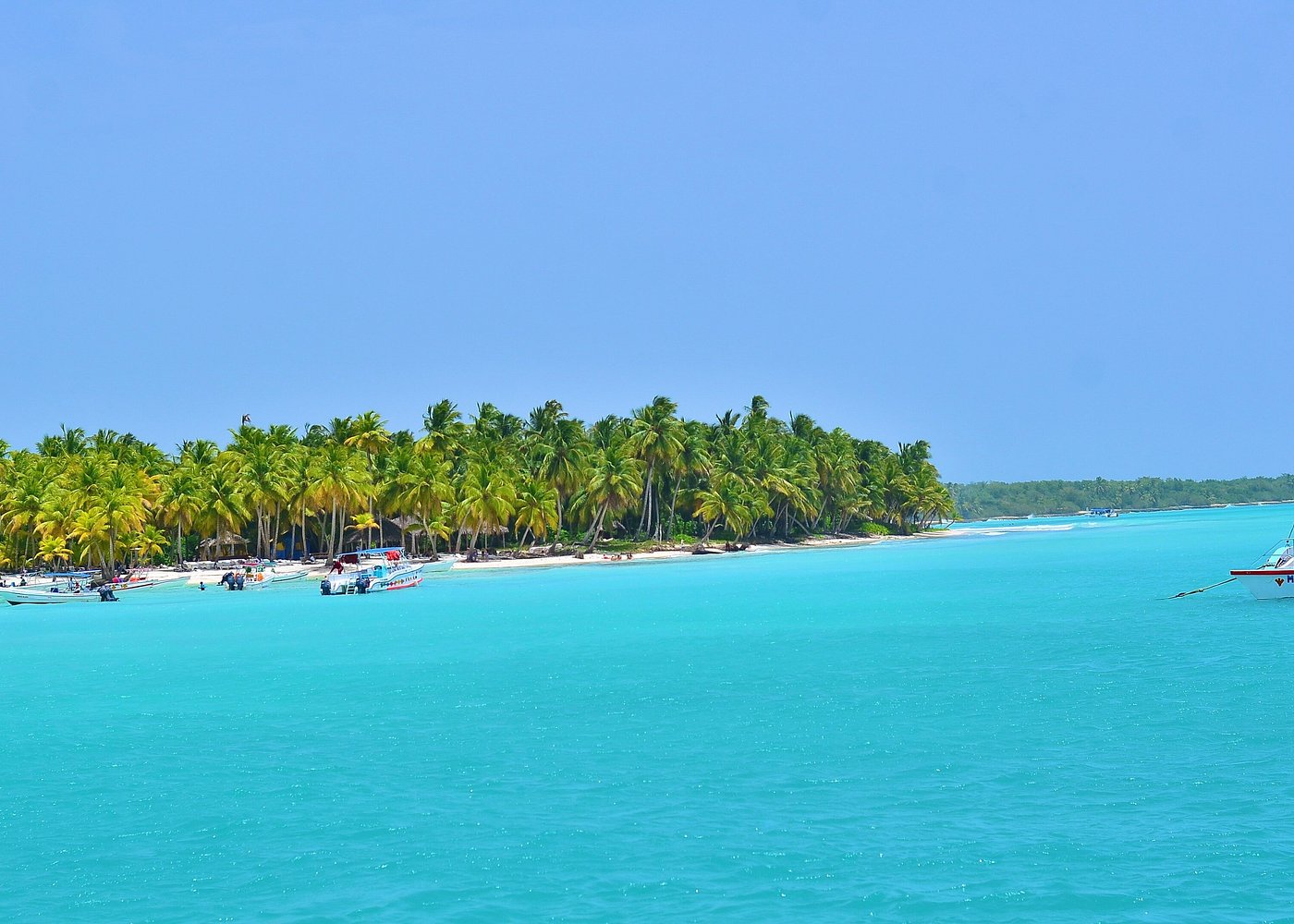
Saona Island is famous for its tropical beaches, turquoise water, and beautiful Caribbean scenery. Located off the southeastern coast of the Dominican Republic, it attracts visitors looking for a memorable island excursion.
However, visiting a beautiful natural destination also comes with responsibility. The choices travelers make before and during an excursion can influence waste generation, wildlife disturbance, and pressure on coastal environments.
If you want to enjoy the island while being more mindful of its surroundings, choosing an environmentally responsible tour is a good place to start.
This guide explains how to evaluate eco-friendly Saona Island tours, what questions to ask before booking, and how to make your excursion more responsible.
What Makes a Saona Island Tour Eco-Friendly?
An eco-friendly tour should make a genuine effort to reduce its environmental impact while respecting the natural destination and local communities.
Simply using words such as "eco," "green," or "sustainable" in an advertisement does not prove that a tour follows responsible practices.
Instead, look for clear and specific information about how the provider manages its activities.
Important considerations include:
- Responsible waste management.
- Respectful wildlife observation.
- Following applicable protected-area rules.
- Avoiding unnecessary damage to coastal habitats.
- Providing passengers with environmental guidance.
- Respecting local communities and their livelihoods.
- Operating boats responsibly and following safety requirements.
No single feature automatically makes an excursion sustainable. Consider the overall approach of the provider.
Why Responsible Tourism Matters on Saona Island
Saona Island is part of a region with valuable coastal and marine environments. These natural areas support different forms of wildlife and contribute to the island's appeal.
Tourism can bring economic opportunities, but unmanaged visitor activity may also create environmental pressure.
Waste and plastic pollution
Disposable packaging, plastic bottles, food containers, and other waste can become a problem when they are not handled properly.
Waste left on beaches can enter the sea and affect marine animals and coastal habitats.
Wildlife disturbance
Marine and coastal animals need space to feed, rest, move, and reproduce.
Visitors who chase wildlife, touch animals, or disturb sensitive habitats can create unnecessary stress.
Pressure on coastal environments
Repeated visitor activity can place pressure on beaches, vegetation, and other sensitive locations.
Following designated access routes and local instructions helps reduce avoidable disturbance.
Supporting local communities
Tourism can create opportunities for people who live and work in the region. Choosing providers that treat local workers and communities respectfully is another important part of responsible travel.
How to Identify an Eco-Friendly Saona Island Tour Operator
Choosing a responsible provider requires more than reading a tour title. Look for evidence of good practices.
1. Check the operator's environmental information
Visit the provider's website and look for specific details about its environmental approach.
For example, does it explain how it handles waste Does it give passengers wildlife-viewing instructions Does it describe how it follows local regulations?
Specific explanations are more useful than broad sustainability claims.
2. Ask about waste management
Contact the provider and ask what happens to rubbish generated during the excursion.
A responsible operation should have a clear process for collecting and disposing of waste appropriately.
3. Ask how wildlife encounters are managed
If the itinerary includes marine wildlife or other natural attractions, ask what rules passengers must follow.
Avoid activities that encourage touching, chasing, feeding, or handling wild animals.
4. Check group arrangements
Ask about the typical group size and how passengers are managed at each stop.
A smaller group does not automatically guarantee a lower environmental impact, but organized visitor management can help reduce crowding and improve supervision.
5. Look for transparent information
A reliable provider should be able to explain what is included, where the excursion goes, and what environmental expectations apply.
Be cautious about claims such as "100% sustainable" if no supporting details are provided.
Questions to Ask Before Booking an Eco-Friendly Excursion
Before making a reservation, consider asking the operator:
- What environmental practices does your company follow?
- How do you collect and dispose of waste during excursions?
- What instructions do you give passengers about marine wildlife?
- Do you follow the applicable rules for protected natural areas?
- How do you prevent passengers from disturbing sensitive habitats?
- Are local workers and businesses involved in the experience?
- What is the typical group size?
- Are single-use plastics provided during the excursion?
- What happens if an activity could negatively affect the environment?
- Can you explain any environmental certification or sustainability claim you advertise?
The answers can help you understand whether a provider takes environmental responsibility seriously.
Responsible Practices to Follow During Your Saona Island Visit
Even when you choose a responsible provider, your own behavior matters.
Carry reusable items
Consider bringing a reusable water bottle and a small reusable bag, provided they are suitable for the excursion.
Avoid unnecessary disposable packaging.
Take all your waste with you
Never leave food wrappers, bottles, tissues, or other rubbish on the beach.
Use designated waste containers when available. If no suitable disposal option is available, keep your waste with you until you can dispose of it properly.
Keep a respectful distance from wildlife
Do not touch, chase, feed, or attempt to handle wild animals.
Use your camera without disturbing the animals or entering sensitive areas.
Stay on appropriate access routes
Avoid walking through sensitive vegetation or restricted areas.
Follow instructions from guides and local authorities about where visitors may go.
Respect coral and marine habitats
Do not stand on coral, remove marine organisms, or collect natural materials.
During water activities, maintain control of your movements and avoid damaging underwater habitats.
Respect local residents
Treat local people, businesses, and workers with courtesy.
Ask permission before photographing individuals, especially when taking close-up portraits.
Does a Smaller Tour Always Mean a More Sustainable Experience?
Not necessarily.
Private or small-group excursions may provide a more personalized experience, but group size alone does not determine environmental performance.
A smaller tour can still generate considerable waste or disturb wildlife if the operator does not follow responsible practices.
Similarly, a larger operator may have organized procedures for waste collection, passenger education, and visitor management.
Instead of choosing based only on the number of passengers, compare the provider's actual practices.
Consider its transportation arrangements, environmental policies, wildlife guidelines, and approach to managing visitors.
Are Catamaran and Speedboat Tours More Eco-Friendly?
Travelers sometimes assume that one type of boat is automatically more environmentally friendly than another.
However, the environmental impact of a boat excursion depends on several factors, including the vessel, engine, fuel consumption, passenger capacity, route, maintenance, and operating practices.
A catamaran is not automatically sustainable, and a speedboat is not automatically irresponsible.
When comparing options, ask providers about their vessels and operating practices rather than relying on the boat's appearance or marketing language.
How to Avoid Greenwashing When Booking
Greenwashing happens when a business presents itself as environmentally responsible without providing convincing evidence of its actual practices.
Here are some warning signs to consider:
- The operator uses environmental terms but gives no specific examples.
- Sustainability claims are not explained or supported.
- Wildlife interaction is promoted as entertainment without clear safeguards.
- The provider cannot explain how it handles waste.
- Environmental questions receive vague or inconsistent answers.
- The company makes absolute claims without evidence.
These signs do not automatically prove that a provider is irresponsible. They are reasons to ask more questions before booking.
A transparent operator should be willing to explain its procedures.
How Responsible Tourism Can Benefit Local Communities
Responsible tourism is not only about protecting nature. It also involves considering the people who live and work in the destination.
Travelers can make more thoughtful choices by:
- Respecting local customs and community spaces.
- Purchasing appropriate products from local businesses.
- Treating guides and workers fairly.
- Asking permission before photographing people.
- Avoiding activities that exploit people or wildlife.
- Following local instructions and community guidelines.
A meaningful island experience should respect both the natural environment and the people connected to it.
A Simple Checklist for Choosing a Responsible Tour
Before confirming your Saona Island excursion, review these points:
Environmental practices
- Does the provider explain its waste-management approach?
- Does it give passengers environmental instructions?
- Does it discourage wildlife disturbance?
Tour operations
- Are the itinerary and transportation arrangements clearly explained?
- Does the operator follow applicable local rules?
- Are visitor activities properly supervised?
Transparency
- Are sustainability claims supported by details?
- Does the provider answer environmental questions?
- Are the booking conditions clearly communicated?
You do not need to find a tour that claims to be perfect. Look for a provider that is transparent and demonstrates practical efforts to operate responsibly.
Frequently Asked Questions
1. Are there eco-friendly Saona Island tours?
Some providers may promote environmentally responsible practices. However, you should evaluate their actual procedures and ask for specific information before booking.
2. How can I find a sustainable Saona Island excursion?
Compare providers, read their environmental information, and ask about waste management, wildlife protection, visitor management, and local community involvement.
3. Is a private Saona Island tour more environmentally friendly?
Not automatically. Environmental impact depends on the boat, operating practices, passenger arrangements, and activities included.
4. Can I use plastic bottles on Saona Island?
Follow the tour provider's instructions and local waste-management rules. Carrying a reusable bottle can help reduce disposable packaging.
5. Should I touch starfish or other marine animals?
No. Observe marine animals without touching, moving, feeding, or disturbing them.
6. How can tourists help protect Saona Island?
Avoid littering, respect wildlife, follow designated access routes, and choose providers that demonstrate responsible operating practices.
7. Does an eco-friendly label guarantee a sustainable tour?
No. Marketing terms are not proof of environmental performance. Look for transparent policies and specific examples of responsible practices.
Final Thoughts: Enjoy Saona Island While Respecting Its Natural Beauty
Saona Island offers a memorable Caribbean experience, but protecting its natural surroundings should be part of every visitor's travel plan.
Choosing a responsible tour means looking beyond attractive photographs and promotional promises. Ask how the provider manages waste, protects wildlife, organizes visitor activities, and respects local communities.
During your visit, make thoughtful choices, follow local instructions, and leave natural areas as you found them.
A great excursion is not only about the places you see. It is also about the care you take while visiting them.
Explore more island travel information and excursion planning resources at SaonaIslandBeach.com before planning your next Caribbean adventure.

Local explorer & expert guide in Whale Sabana de la Mar.


