The Medicinal Plants of Los Haitises National Park: Traditional Botanical Knowledge, Native Species and Conservation
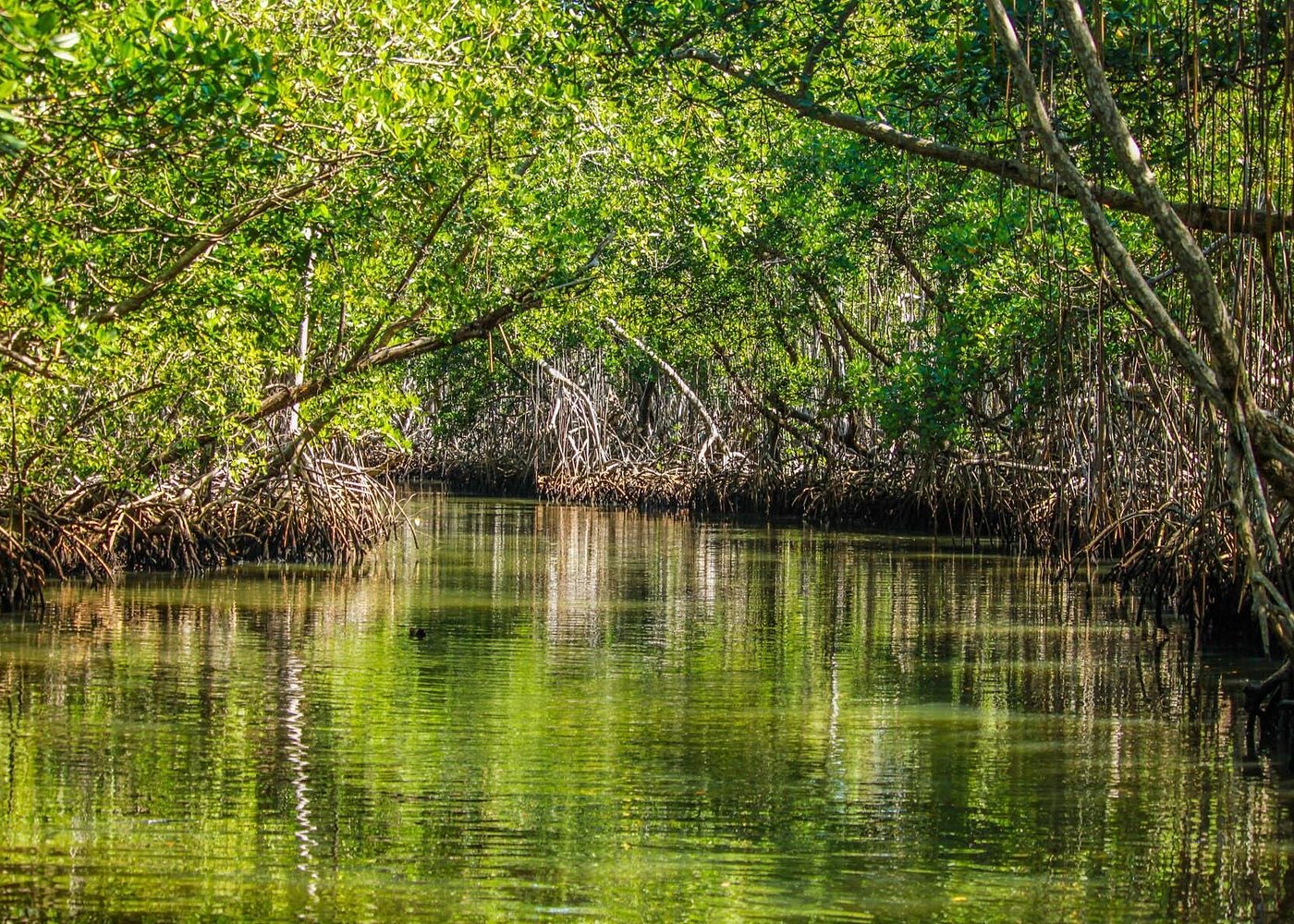
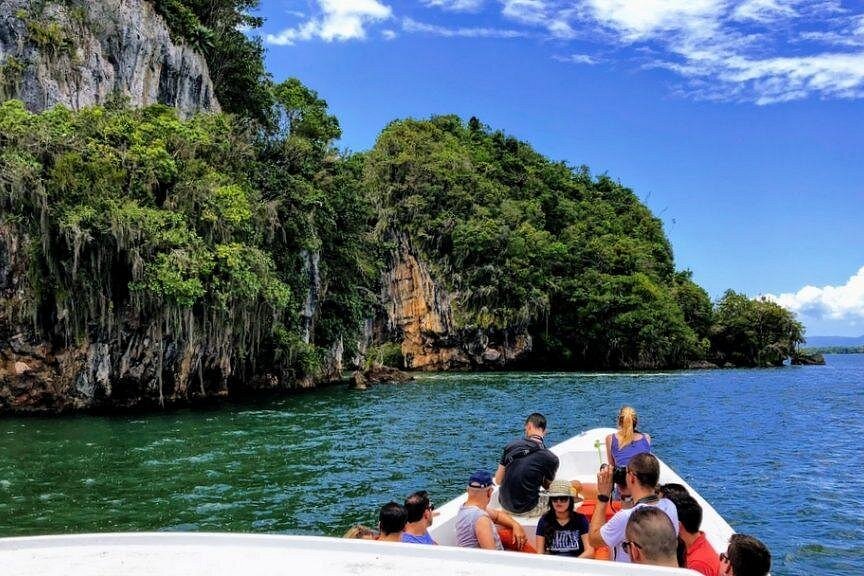
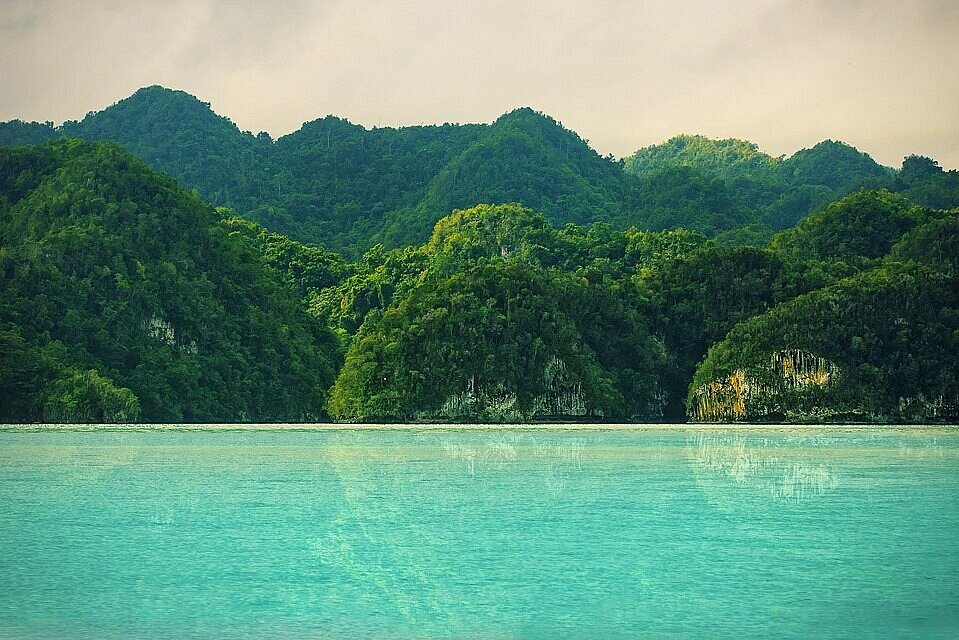
Los Haitises National Park is widely known for its limestone hills, mangrove forests, caves, wetlands and rich tropical vegetation. Its forests also contain a diverse collection of native trees, shrubs, climbing plants and other vegetation that contribute to the ecological character of the protected area.
Some native plants have attracted scientific interest because of their possible medicinal, agricultural, ornamental or other practical value. Research conducted in Los Haitises has specifically investigated native species with potential medicinal uses, making the park an interesting subject for botanical and ethnobotanical study.
However, understanding medicinal plants requires more than identifying a species. Researchers must establish which plants are present, whether a traditional use has been documented, how that knowledge was recorded and whether scientific testing supports any claimed medicinal effect.
This guide explores medicinal plant research connected with Los Haitises, the relationship between native vegetation and traditional botanical knowledge, and the importance of protecting plant diversity inside this Caribbean national park.
1. What Makes Los Haitises Important for Medicinal Plant Research?
Los Haitises contains a varied natural landscape shaped by limestone geology, tropical rainfall, forest vegetation, wetlands and coastal environments. These conditions support different plant communities and create opportunities for botanical research.
The park's native vegetation includes trees and shrubs that have been studied for their ecological characteristics and potential uses. A botanical survey of the karst region documented substantial tree and shrub diversity, providing an important foundation for understanding the area's plant resources.
A separate field study, conducted from October 1996 to February 1997, evaluated native species in Los Haitises for potential ornamental, medicinal, honey-producing and forestry uses. Researchers surveyed vegetation along a 15-kilometre transect using 40 sampling plots distributed across different topographic positions in the mogote landscape.
This research is particularly relevant because it directly examined native plants within the park rather than relying only on general lists of medicinal plants from the Dominican Republic.
Nevertheless, a study identifying a plant as having potential medicinal value does not automatically establish that local people traditionally use it or that it is clinically effective.
2. Understanding the Difference Between Medicinal Potential and Traditional Use
The term medicinal plant can describe several different kinds of botanical evidence. These categories should not be treated as interchangeable.
Medicinal potential: Researchers identify a plant as a possible subject for further investigation because of its botanical characteristics, known compounds or preliminary research.
Traditional medicinal use: A community has documented knowledge of using a plant for a particular purpose. This information should be recorded through appropriate interviews, historical sources or ethnobotanical research.
Laboratory evidence: Researchers investigate plant extracts or compounds under controlled laboratory conditions. Such results may provide clues, but they do not necessarily demonstrate that a plant is safe or effective in people.
Clinical evidence: Carefully designed human studies assess safety and effectiveness for a defined medical purpose. This is a different level of evidence from traditional reports or laboratory experiments.
These distinctions are important when discussing Los Haitises. The field study of native species identified medicinal potential as one research category, but that alone does not confirm a specific traditional remedy or a clinically proven treatment.
Responsible writing about medicinal plants should explain what the research actually demonstrates rather than presenting possibilities as established medical facts.
3. Native Trees and Shrubs as a Foundation for Botanical Research
Trees and shrubs form an important part of the vegetation structure in Los Haitises. They provide shade, food, nesting areas and shelter for wildlife while helping maintain the forest environment.
The botanical study Árboles y Arbustos de la región Cársica de Los Haitises, República Dominicana examined the tree and shrub diversity of the region. It documented 140 tree species and 167 shrub species, demonstrating the botanical richness of the karst landscape.
This inventory is useful for medicinal plant research because it helps establish which woody plant species occur in the area. It also provides a starting point for further studies into their ecological roles, chemical composition and possible uses.
However, an inventory of trees and shrubs is not itself a medicinal-use catalogue. The presence of a plant in Los Haitises does not prove that it has a documented medicinal application.
Future research can build on these botanical records by connecting verified species identifications with carefully documented ethnobotanical information.
4. How the Landscape Influences Plant Diversity
The limestone landscape of Los Haitises contains different topographic environments, including mogote summits, slopes, lower areas and flatter ground.
These positions can differ in exposure, soil depth, drainage, moisture and vegetation structure. As a result, plant communities may vary across relatively short distances.
The 1996–1997 field survey considered five broad topographic positions: mogote tops, slopes, bases, depressions and plains. It found differences in vegetation richness and the degree of human disturbance between the sampled areas.
For medicinal plant research, this type of ecological information matters. A plant may be associated with a particular habitat or elevation within the karst landscape. Recording that location helps researchers understand its distribution and the environmental conditions it requires.
It also helps conservation teams identify habitats that may need protection or restoration.
5. Traditional Botanical Knowledge and Ethnobotany
Ethnobotany is the study of relationships between people and plants. It examines how communities identify, understand, use and manage plant resources.
Traditional botanical knowledge can include information about:
- Local names for plants.
- How different species are recognized.
- Which plant parts have historically been used.
- The cultural context of plant use.
- How knowledge is passed between generations.
- Which plants are cultivated, collected or protected.
- How people distinguish similar-looking species.
Research on medicinal plants in the Dominican Republic demonstrates that traditional plant knowledge is an important subject for scientific study. Published research has documented medicinal plant practices among Dominican participants and examined how knowledge can vary between communities and settings.
However, studies conducted elsewhere in the Dominican Republic should not automatically be treated as evidence of medicinal practices inside Los Haitises. Researchers must establish the geographical origin of each record before attributing a traditional use to the park or to people associated with the area.
A responsible study of Los Haitises would therefore combine botanical identification with locally grounded interviews and clear documentation of where each reported use originated.
6. Why Accurate Plant Identification Matters
Identifying medicinal plants correctly is essential for botanical research.
Different species may share similar appearances or local names. A common name may also refer to more than one plant in different parts of the country.
Scientific identification helps reduce this confusion. Researchers may document characteristics such as:
- Leaf arrangement and shape.
- Flower structure and colour.
- Fruit and seed characteristics.
- Bark and growth form.
- Habitat and geographical distribution.
- Botanical family and scientific name.
Where possible, researchers also use properly collected reference specimens and expert botanical verification.
This process is especially important when studying plants that may have medicinal potential. An incorrect identification can lead to inaccurate research records and misleading conclusions.
For visitors, the practical lesson is simple: a plant should not be identified as medicinal based only on its appearance or a name heard during a tour.
7. What Scientific Research Can Tell Us About Medicinal Plants
Scientific investigation can help answer questions about the chemical and biological characteristics of plants.
Depending on the research question, studies may examine plant compounds, chemical composition, laboratory activity, toxicity or other properties. These investigations can help researchers decide whether further study is justified.
But evidence must be interpreted carefully.
A substance showing activity in a laboratory does not automatically work as a treatment in the human body. The amount used in an experiment, how a substance is absorbed and possible side effects all matter.
Traditional use is also not a substitute for safety testing. Natural products can cause adverse reactions, interact with medicines or be unsafe for certain people.
For this reason, this article does not recommend preparing, consuming or applying wild plants from Los Haitises. Visitors should rely on qualified healthcare professionals for medical advice.
8. Why Medicinal Plant Knowledge Should Be Documented Ethically
Traditional plant knowledge can be valuable for cultural history, biodiversity research and future scientific investigation. Recording it requires respect for the people who hold that knowledge.
Ethnobotanical researchers should seek informed consent before conducting interviews and explain how the information may be used. Participants should be able to decide whether their names, statements or community knowledge can be published.
Researchers should also consider how benefits from future commercial or scientific developments are shared. Traditional knowledge should not be treated as information that can be freely collected and exploited without the involvement of its holders.
In a protected natural area such as Los Haitises, ethical research also requires compliance with relevant conservation and research permissions.
Documenting knowledge responsibly can help preserve valuable information without encouraging uncontrolled collection of wild plants.
9. Why Medicinal Plant Conservation Matters
Native plants contribute to the ecological stability of Los Haitises. They form forest habitats, support insects and other wildlife, help maintain soil conditions and contribute to the natural cycles of the ecosystem.
Protecting plant diversity also preserves the possibility of future botanical research.
Several conservation principles are particularly important:
Protect natural habitats: Forests and other native vegetation communities should be maintained so plant populations can continue to grow and reproduce.
Avoid unnecessary collection: Removing plants, seeds, bark, roots or flowers from a protected area can damage individual plants and affect natural regeneration.
Prevent habitat disturbance: Uncontrolled clearing, trampling and other forms of disturbance can change the conditions that native species depend on.
Support scientific monitoring: Botanical inventories and long-term research can help identify changes in plant distribution and habitat condition.
Encourage responsible visitation: Visitors should observe plants without damaging them, collecting specimens or leaving marked routes and authorized visitor areas.
The conservation value of a plant is not limited to whether people can use it. Every native species contributes to the wider ecosystem in ways that may not yet be fully understood.
10. Responsible Ways to Learn About the Park's Plants
Visitors interested in the vegetation of Los Haitises can learn about native plants without collecting or disturbing them.
A responsible nature visit can include:
- Observing differences between trees, shrubs, vines and epiphytes.
- Looking at leaf shapes and growth patterns from an authorized visitor route.
- Learning how forest vegetation changes across the limestone landscape.
- Asking qualified guides about the park's native vegetation.
- Photographing plants without breaking branches or removing flowers.
- Following park rules and respecting any areas closed to visitors.
A guided nature experience can help visitors understand how vegetation supports the forest and wetland ecosystems. However, visitors should not assume that guides can identify every species or verify medicinal claims.
The best approach is to treat the park as a protected living ecosystem rather than a place to collect natural products.
11. The Future of Medicinal Plant Research in Los Haitises
The earlier native-species survey provides a useful foundation for further research, but many questions remain.
Future studies could investigate which native species have documented traditional medicinal uses specifically connected to the Los Haitises region. Researchers could also compare historical botanical records with modern field observations to understand changes in plant distribution.
Other useful research areas include:
- Updated inventories of native and endemic plants.
- Verification of scientific names and local plant names.
- Ethical documentation of traditional botanical knowledge.
- Habitat mapping for species of conservation interest.
- Research into plant regeneration and population trends.
- Scientific evaluation of medicinal potential under appropriate safety and research standards.
Such work would connect botanical science, conservation and cultural knowledge while helping prevent unsupported claims about the park's plants.
Any research involving collection, access to restricted areas or traditional knowledge should follow applicable legal requirements and ethical standards.
12. Protecting the Botanical Heritage of Los Haitises
Los Haitises National Park is important not only for its caves, mangroves and wildlife but also for the native vegetation that supports its natural ecosystems.
Research into plants with potential medicinal value adds another dimension to the park's botanical importance. Yet the most responsible way to understand this resource is through accurate identification, careful evidence evaluation and respect for traditional knowledge.
A plant recorded in a botanical survey is not automatically a proven medicine. A traditional use is not automatically proof of clinical effectiveness. Keeping these distinctions clear helps visitors and readers understand the real value of medicinal plant research.
Protecting the native forests of Los Haitises safeguards biodiversity and preserves opportunities for future scientific discovery.
The most valuable contribution visitors can make is to appreciate the plants without removing or damaging them.
Frequently Asked Questions
1. Are there medicinal plants in Los Haitises National Park?
A field study conducted in 1996–1997 evaluated native plant species in Los Haitises for potential medicinal and other uses. This establishes that medicinal potential has been a subject of park-related botanical research, but it does not mean that every recorded species is a proven medicine.
2. Has scientific research been conducted on medicinal plants in Los Haitises?
Yes. A study titled Evaluación de especies nativas con potencial ornamental, medicinal, melífera y forestal en el Parque Nacional Los Haitises, República Dominicana examined native vegetation during fieldwork from October 1996 to February 1997.
3. Does the presence of a plant in Los Haitises prove that it is used in traditional medicine?
No. Botanical presence and traditional medicinal use are different types of evidence. A plant's traditional use must be documented through reliable ethnobotanical records or other appropriate research.
4. Are traditional medicinal plants scientifically proven to cure diseases?
Not necessarily. Traditional use may be an important subject for research, but it does not by itself establish safety or clinical effectiveness. Scientific claims should be based on appropriate evidence.
5. Can visitors collect medicinal plants in Los Haitises?
Visitors should not collect plants or plant parts from the protected area. They should follow park regulations and observe vegetation without damaging it.
6. Why is traditional plant knowledge important?
Traditional botanical knowledge can help researchers understand how people recognize and relate to plants. It also has cultural value and should be documented with informed consent and respect for knowledge holders.
7. Why is plant identification important in medicinal plant research?
Similar-looking plants may be different species, and local names can vary. Scientific identification helps researchers avoid confusing species and making inaccurate claims about their uses.
8. What is ethnobotany?
Ethnobotany is the study of relationships between people and plants, including how plants are identified, understood, used and managed in different cultural settings.
9. Can medicinal plants be harmful?
Yes. Natural substances can cause side effects, allergic reactions, toxicity or interactions with medicines. Visitors should not use unidentified wild plants as remedies.
10. How can visitors help protect native plants in Los Haitises?
Visitors can stay in authorized areas, avoid collecting plants, refrain from damaging vegetation, take photographs responsibly and follow instructions from park authorities and qualified guides.
Final Thoughts
The medicinal plant potential of Los Haitises is an important subject for botanical research, but it should be approached with care. The park's native vegetation deserves protection for its ecological value, while traditional knowledge deserves accurate documentation and respect.
By learning about the difference between plant diversity, traditional use and scientific evidence, visitors can gain a deeper understanding of the natural heritage of Los Haitises National Park.
Local explorer & expert guide in Whale Sabana de la Mar.