The Rare and Threatened Plants of Los Haitises National Park: Conservation Status, Habitat Loss and Protection
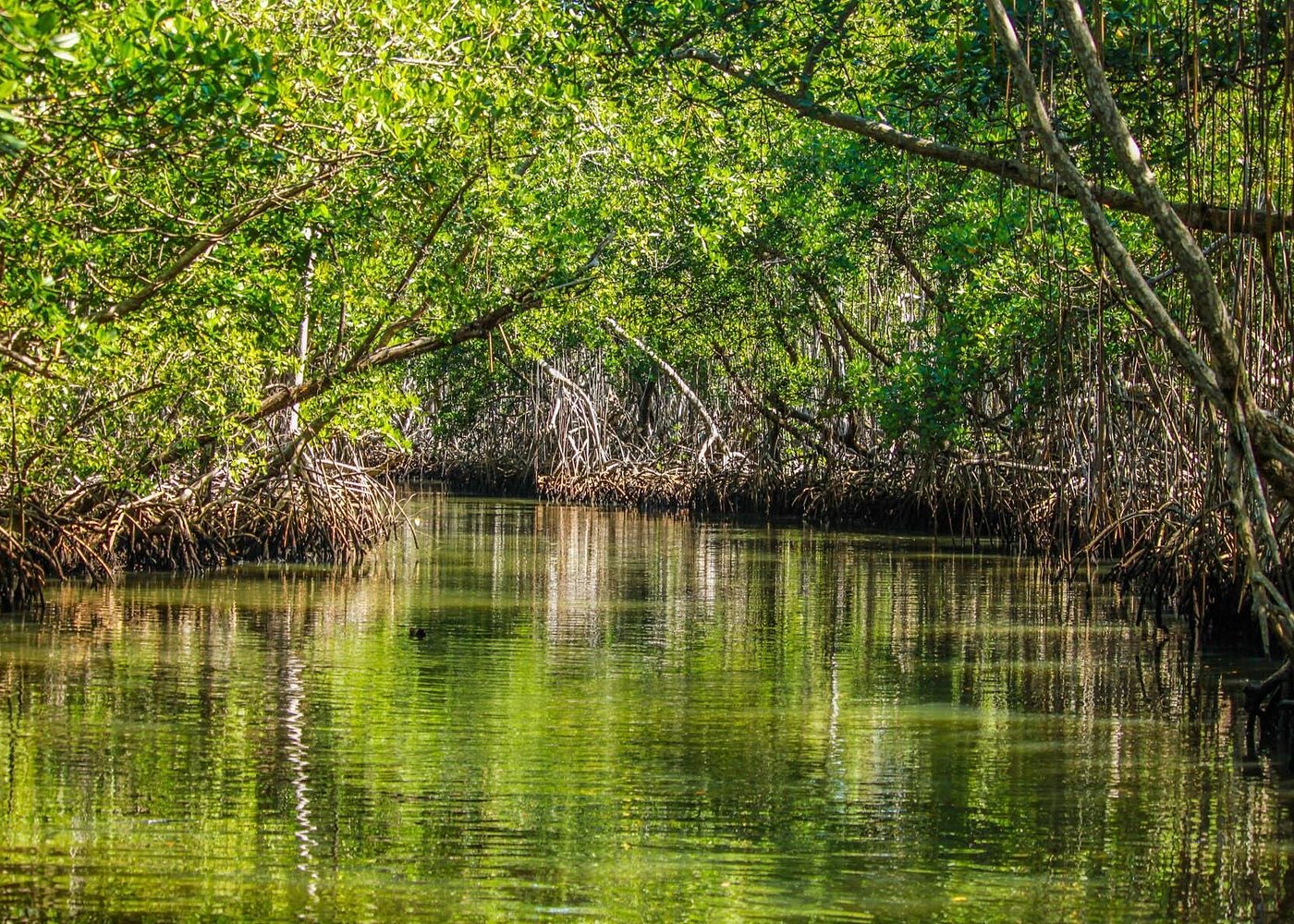
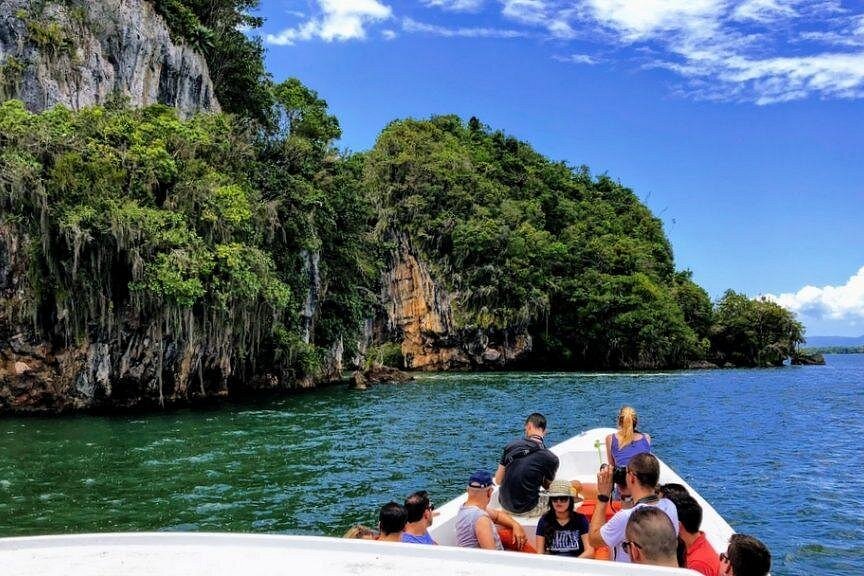
Los Haitises National Park is an important natural area in the Dominican Republic, known for its limestone hills, tropical forests, mangroves, wetlands and remarkable biodiversity. Among its natural resources are native plants with restricted geographical distributions and species that may require particular conservation attention.
Some plants are naturally uncommon, while others are considered rare because their populations occupy limited habitats. A smaller group may qualify as threatened under formal conservation assessments. These descriptions are related, but they do not mean the same thing.
Understanding the differences is essential when discussing plant conservation in Los Haitises. A species should not be called endangered simply because it is difficult to find, and an old botanical record should not automatically be treated as proof of its current conservation status.
This guide explores the available botanical information about rare and restricted plants in Los Haitises, the environmental pressures that can affect native vegetation and the importance of protecting the park's plant habitats.
1. Why Rare Plants Matter in Los Haitises
A rare plant can be important to an ecosystem even when it occurs in small numbers.
Some species have very specific habitat requirements. They may grow only in particular forest conditions, limestone environments or geographical areas. If those habitats are disturbed, the plants may have few suitable places in which to survive.
Los Haitises is particularly interesting because its karst landscape contains different environmental conditions across a relatively compact area. Limestone mogotes, slopes, depressions, valleys and coastal habitats support different vegetation communities.
Botanical research has documented a considerable variety of trees and shrubs in the region. The 2011 study Árboles y Arbustos de la región Cársica de Los Haitises, República Dominicana recorded 140 tree species and 167 shrub species.
The study also identified numerous species endemic to Hispaniola and reported a group of woody plants exclusive to the Los Haitises area.
This diversity makes the park valuable for botanical research and strengthens the case for protecting its natural habitats.
2. Rare, Endemic and Threatened: Understanding the Differences
These terms are often used together, but they describe different characteristics.
Rare plants
A rare plant has a low population size, a limited distribution or occurs infrequently in the habitats where it grows.
Rarity does not automatically mean a species is threatened. Some naturally uncommon plants may have stable populations in protected habitats.
Endemic plants
An endemic plant occurs naturally only within a defined geographical area.
For example, a species endemic to Hispaniola is naturally restricted to that island. A plant reported as restricted to the Los Haitises formation has a narrower known distribution.
A restricted geographical range can increase vulnerability, but it does not by itself establish a formal threat category.
Threatened plants
A threatened plant has been assessed as facing a risk of extinction under a recognized conservation framework.
The International Union for Conservation of Nature (IUCN) Red List uses categories such as:
- Critically Endangered (CR): Facing an extremely high risk of extinction in the wild.
- Endangered (EN): Facing a very high risk of extinction in the wild.
- Vulnerable (VU): Facing a high risk of extinction in the wild.
- Near Threatened (NT): Close to qualifying for a threatened category.
- Least Concern (LC): Assessed as not currently meeting the criteria for a threatened category.
These categories are based on evidence and assessment criteria, not simply on whether a plant is uncommon.
A reliable article about Los Haitises flora should therefore identify the source and date of any conservation category it reports.
3. What Historical Botanical Records Tell Us
The Los Haitises National Park Management Plan for 2012–2017 reported approximately 730 plant species in the park. It stated that around 127 species were endemic to Hispaniola and that 32 of those were reported as having restricted distributions in the Los Haitises geomorphological formation.
The plan also highlighted the importance of the park's ecosystems and described its conservation value.
These figures are useful historical reference points. However, they are not a current, species-by-species threat assessment.
A later strategic planning document also reproduced an older list of plants reported as restricted to the Los Haitises formation, based on earlier botanical work.
Such records are important because they help researchers identify species that may deserve additional surveys. They do not automatically establish that each plant is currently endangered or that its population is declining.
To determine present conservation status, researchers need updated taxonomic information, field observations and appropriate population data.
4. Examples of Plants That Deserve Botanical Attention
Historical botanical records identify several plants associated with the restricted flora of the Los Haitises region.
Examples include:
Dorstenia peltata
Dorstenia peltata appears in historical records of plants associated with Los Haitises. A regional environmental profile also listed it as vulnerable in a historical flora table.
This is a useful example of why old conservation records should be treated carefully. The date, geographical scope and assessment method must be checked before presenting a category as current.
Jacaranda abbottii
Jacaranda abbottii is included in historical lists of plant taxa reported as restricted to the Los Haitises formation.
Its inclusion highlights the importance of the park's specialized woody flora and the need to maintain accurate records of its distribution.
Tabebuia samanensis
Tabebuia samanensis also appears in the historical restricted-flora list.
Scientific names and classifications may change as botanical research develops, so current taxonomic references should be consulted before using older records as a definitive field identification.
Peperomia samanense
Peperomia samanense is another name recorded in historical botanical lists for the region.
Species with narrow geographical distributions are important candidates for careful habitat surveys, particularly when reliable information about population size and regeneration is limited.
Amyris metopioides
Amyris metopioides appears in historical records of plants associated with the Los Haitises formation.
Its inclusion helps illustrate the distinctive botanical character of the karst region, although a current population assessment is needed before making claims about its conservation status.
These examples should be treated as historically documented botanical records, not as a confirmed list of currently threatened plants.
5. Why the Limestone Landscape Creates Conservation Challenges
The limestone terrain of Los Haitises is one of the defining features of the park.
Its mogotes and valleys create different growing conditions for plants. Soil depth, moisture, drainage, sunlight and exposure can vary across short distances.
A plant adapted to a particular part of this landscape may not grow easily in a different habitat.
For example, a species associated with a shaded, moist valley may not be able to establish itself on a more exposed limestone slope.
This creates several conservation considerations:
- Some plants may depend on small, specialized habitats.
- Suitable growing areas may be naturally separated.
- Disturbance in one location may affect a significant portion of a small population.
- Natural regeneration may be slow if seed sources are limited.
- Restoration may require understanding the original habitat conditions.
Protecting the whole ecological landscape is therefore important. Conserving only a few visible plants may not be enough if the conditions they require are damaged.
6. Habitat Loss and Changes in Land Use
Habitat loss is a major concern for plant biodiversity in Hispaniola.
Agricultural expansion, tree cutting, development and other land-use changes can remove native vegetation or divide continuous forest into smaller patches.
A study of land-use change in the Los Haitises region compared undisturbed forest, regenerating forest and agricultural land. It documented differences in soil properties and nutrient processes among these land-use types.
This research illustrates that forest conversion can affect more than the number of trees present. It can also change the soil environment that supports plant growth and regeneration.
Habitat disturbance can affect rare plants through several pathways:
Loss of growing space: Clearing removes the vegetation and environmental conditions required by native species.
Fragmentation: Dividing forest into isolated patches can separate plant populations and reduce the availability of suitable habitat.
Soil disturbance: Changes in soil structure and organic matter can affect seed establishment and plant growth.
Reduced regeneration: If mature plants or nearby seed sources disappear, replacement of the population may become more difficult.
The effects vary among species and habitats, so site-specific research is necessary to determine the actual impact on individual plants.
7. Tree Cutting and Unsustainable Plant Collection
Removing trees and other vegetation can directly affect native plant populations.
Some plants may be cut for timber, fuel or other uses. Others can be damaged through the collection of bark, leaves, roots, flowers or seeds.
The consequences depend on the plant species and the part removed. Collecting seeds may reduce natural reproduction, while removing bark or roots can seriously damage individual plants.
For species with small populations, even limited disturbance may be significant.
The conservation approach in a national park should prioritize the protection of native vegetation and compliance with official rules. Visitors should not remove plants or plant parts, and research collection should only take place under the appropriate permissions.
8. Forest Fires and Environmental Disturbance
Fire can change forest structure, damage vegetation and affect natural regeneration.
The impact depends on fire intensity, frequency, season and the characteristics of the affected habitat.
Some plants may recover after disturbance, while others may be particularly sensitive. Seedlings and small populations can be vulnerable if fires repeatedly affect the same area.
Research on primary forest change across Hispaniola identified fire and tree cutting among the major drivers of primary forest loss during the period studied.
That island-wide research does not establish the extent of current fire damage to each part of Los Haitises. However, it provides important regional context for understanding why forest protection matters.
Monitoring vegetation and preventing damaging fires are important components of wider biodiversity conservation.
9. Climate Change and Restricted Plant Habitats
Changes in rainfall, temperature and extreme weather can affect plant growth and reproduction.
For plants with narrow habitat requirements, changes in local environmental conditions may be particularly important.
Potential effects include:
- Changes in soil moisture.
- Altered flowering and fruiting periods.
- Increased stress during unusually dry periods.
- Damage from severe storms.
- Changes in the suitability of particular microhabitats.
These effects should not be assumed for every plant in Los Haitises. Species respond differently depending on their biology and habitat.
Long-term monitoring is needed to understand whether climate-related changes are affecting the distribution or reproductive success of particular native plants.
10. Why Conservation Status Must Be Verified
One of the most important challenges in discussing threatened plants is the difference between historical records and current assessments.
A plant may have been described as vulnerable in an older environmental document, but that does not prove that its present IUCN category remains the same.
Similarly, a plant may be endemic or geographically restricted without having been formally assessed.
Before publishing a conservation category, researchers and writers should check:
- The accepted scientific name.
- Whether the record refers to the same species or a synonym.
- The geographical scope of the assessment.
- The assessment date.
- The conservation category and its supporting evidence.
- Whether the assessment applies globally or only to a national or local population.
The IUCN Red List is an important source for global conservation assessments. National red lists and official government records may provide additional information for species within the Dominican Republic.
Where no reliable current assessment is available, it is more accurate to say that a species is rare, endemic or historically recorded than to assign it a threatened category.
11. How Botanical Monitoring Helps Protect Rare Plants
Botanical monitoring involves observing plant populations and recording changes over time.
It can help conservation teams understand whether a species is maintaining a stable population, regenerating successfully or experiencing habitat pressure.
Useful monitoring activities include:
Population surveys: Recording the number and distribution of individual plants in known habitats.
Reproductive observations: Documenting flowering, fruiting, seed production and seedling establishment.
Habitat assessments: Recording vegetation condition, soil disturbance, canopy cover and other environmental characteristics.
Taxonomic verification: Confirming species identities using updated botanical references and expert review.
Mapping: Recording the geographical distribution of known populations while managing sensitive location information appropriately.
Long-term comparison: Repeating surveys to identify changes in population size and habitat condition.
Monitoring is especially important for plants with restricted distributions because small changes in their known habitats may have significant consequences.
12. Forest Restoration and Native Plant Protection
Restoring degraded forest can help improve habitat conditions for native plants.
However, successful restoration requires more than planting trees. The species selected, location, soil conditions, water availability and surrounding vegetation all matter.
A restoration project in Los Haitises should consider:
- Which native species originally occurred in the habitat.
- Whether natural regeneration is already taking place.
- Whether nearby native vegetation can provide seeds.
- Which disturbances need to be controlled.
- Whether invasive plants are preventing regeneration.
- How restoration success will be monitored.
The use of appropriate native species can support the recovery of natural vegetation. But rare or restricted plants should not be moved or propagated without suitable scientific guidance and official authorization.
Protecting existing mature forest is also essential. Restoring damaged habitat does not immediately replace the ecological value of an established natural forest.
13. The Role of the National Park in Plant Conservation
Protected areas provide an important framework for conserving habitats and biodiversity.
The Los Haitises management plan describes the park's ecological importance and outlines management approaches for different conservation and visitor-use areas.
Strict conservation areas, recovery zones and public-use areas can have different management objectives. This helps balance ecological protection with carefully managed visitor experiences.
The management plan from 2012–2017 is a historical document. Current boundaries, regulations, access conditions and management arrangements should be verified with the Dominican Republic's relevant environmental authorities.
Effective plant conservation also depends on research, enforcement, habitat monitoring and public awareness.
14. How Visitors Can Help Protect Rare Plants
Visitors can contribute to conservation through simple and responsible behaviour.
During a visit to Los Haitises:
- Stay in authorized visitor areas.
- Do not pick flowers or remove leaves, seeds or branches.
- Avoid stepping on seedlings and small plants.
- Do not carve or scratch tree trunks.
- Keep rubbish out of forests, caves and wetlands.
- Avoid disturbing vegetation to take photographs.
- Follow instructions from authorized guides and park personnel.
- Do not publish unverified locations of sensitive rare plant populations.
Photography is a useful way to appreciate the park's flora, but visitors should avoid damaging plants or leaving approved routes in search of a particular species.
A responsible visit helps preserve the natural habitats that support the park's biodiversity.
15. The Future of Rare Plant Conservation in Los Haitises
The historical botanical records provide a valuable starting point, but continued research is needed to understand the present condition of rare and restricted plants.
Future work could focus on updated surveys of historically recorded species, taxonomic verification, population monitoring and habitat mapping.
Researchers could also examine how forest disturbance, natural regeneration and environmental change influence plant populations in different parts of the karst landscape.
Important research priorities include:
- Updating the inventory of native and endemic plants.
- Checking the current distribution of historically restricted species.
- Reviewing conservation categories against recent assessments.
- Monitoring population size and reproductive success.
- Identifying habitats that require stronger protection.
- Evaluating restoration methods using suitable native vegetation.
- Making botanical information available to conservation planners.
These activities can help move plant conservation from historical species lists toward evidence-based management.
16. Protecting the Botanical Heritage of Los Haitises
Los Haitises National Park is important for its diverse native vegetation and the plants associated with its distinctive limestone landscape.
Historical botanical studies have identified numerous endemic and geographically restricted species. These records demonstrate the value of the region, but they also show why accurate research and updated conservation information are necessary.
Not every rare plant is threatened, and not every endemic species is exclusive to Los Haitises. Conservation decisions should be based on verified identification, reliable population information and current assessment criteria.
Protecting native forests, preventing damaging disturbance, supporting botanical research and encouraging responsible tourism can all contribute to the long-term conservation of the park's flora.
The plants of Los Haitises are an essential part of its natural heritage. Their protection helps preserve the ecological diversity that makes this national park so significant.
Frequently Asked Questions
1. Are there threatened plants in Los Haitises National Park?
Historical environmental records identify plant species of conservation concern in the Los Haitises region. However, each species' current threat category should be verified using up-to-date assessments before it is described as threatened.
2. What is the difference between a rare plant and an endangered plant?
A rare plant is uncommon or has a limited distribution. An endangered plant has been formally assessed as facing a very high risk of extinction in the wild under a recognized conservation framework.
3. Are all endemic plants threatened?
No. Endemism describes geographical distribution, while threat status describes extinction risk. An endemic species may have a stable population, or it may face serious conservation problems.
4. Which plants are historically reported as restricted to Los Haitises?
Historical records include Dorstenia peltata, Jacaranda abbottii, Tabebuia samanensis, Peperomia samanense and Amyris metopioides, among others. Their current taxonomy and distributions should be checked against updated botanical sources.
5. What threats can affect native plants in Los Haitises?
Potential pressures include habitat loss, tree cutting, forest fragmentation, fires, unsustainable collection, invasive species and changes in environmental conditions.
6. Does habitat loss affect plant regeneration?
Yes. Habitat disturbance can change soil conditions, reduce seed sources and damage seedlings. The effects depend on the species and the severity of the disturbance.
7. Why is botanical monitoring important?
Monitoring helps researchers track plant populations, identify changes in habitat conditions and determine whether conservation actions are working.
8. Can forest restoration protect rare plants?
Restoration can improve damaged habitats, particularly when it uses suitable native species and addresses the causes of degradation. However, it cannot immediately replace the ecological value of mature natural forest.
9. Can visitors collect rare plants from Los Haitises?
Visitors should not collect plants or plant parts from the protected area. Scientific collection also requires appropriate authorization and compliance with applicable regulations.
10. How can tourists help conserve the park's vegetation?
Tourists can stay in authorized areas, avoid damaging plants, take photographs responsibly, prevent littering and follow park rules.
Final Thoughts
Rare and threatened plants are an important part of the conservation story of Los Haitises National Park. Its historical botanical records identify native species with restricted distributions and demonstrate the importance of the park's forest habitats.
The next step is to maintain updated scientific records, monitor plant populations and protect the environmental conditions that allow native vegetation to survive.
By visiting responsibly and respecting the park's natural resources, visitors can help support the protection of Los Haitises and its unique botanical heritage.
Local explorer & expert guide in Whale Sabana de la Mar.