Saona Island Conservation Research: Marine Science, Biodiversity & Environmental Protection
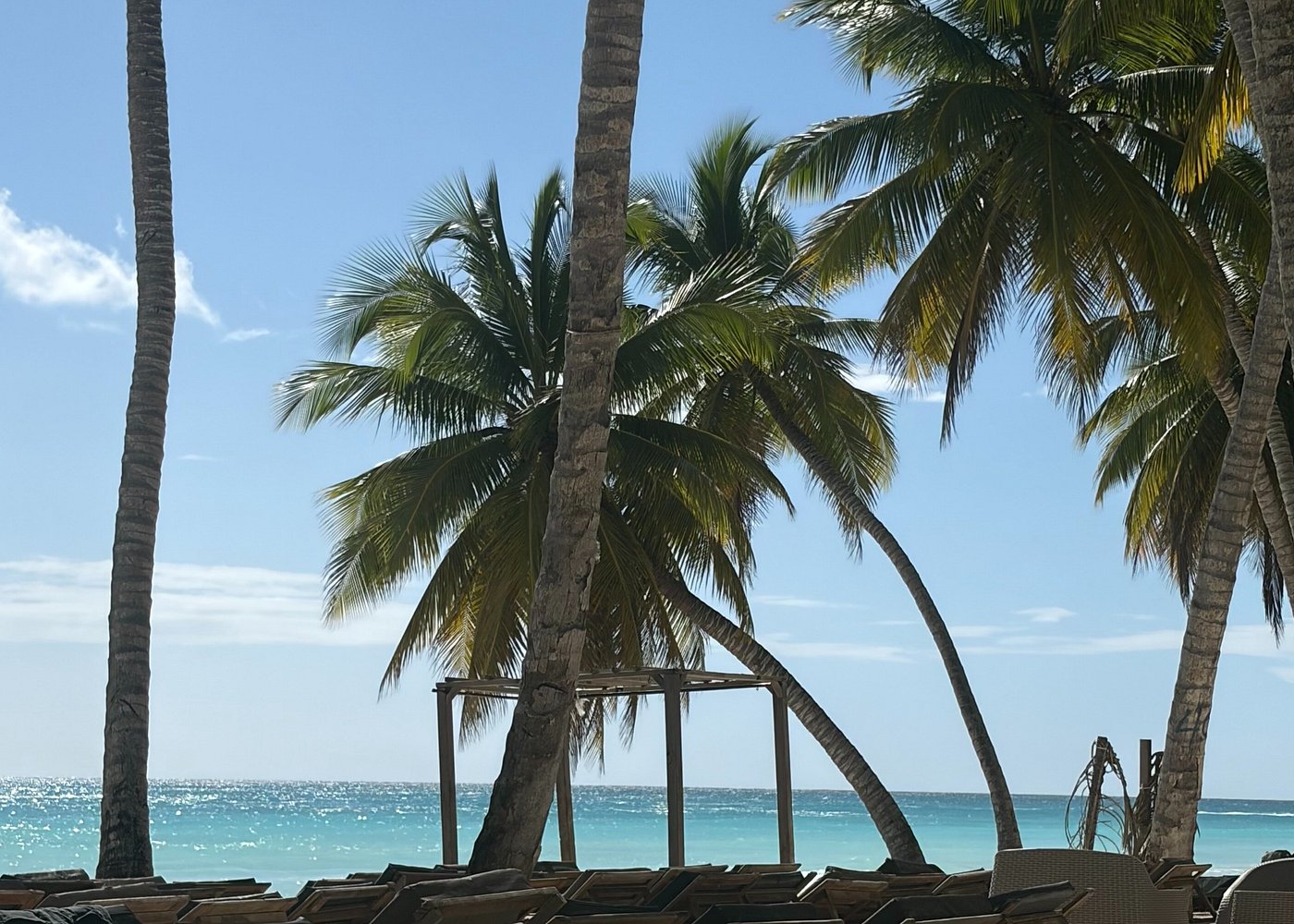
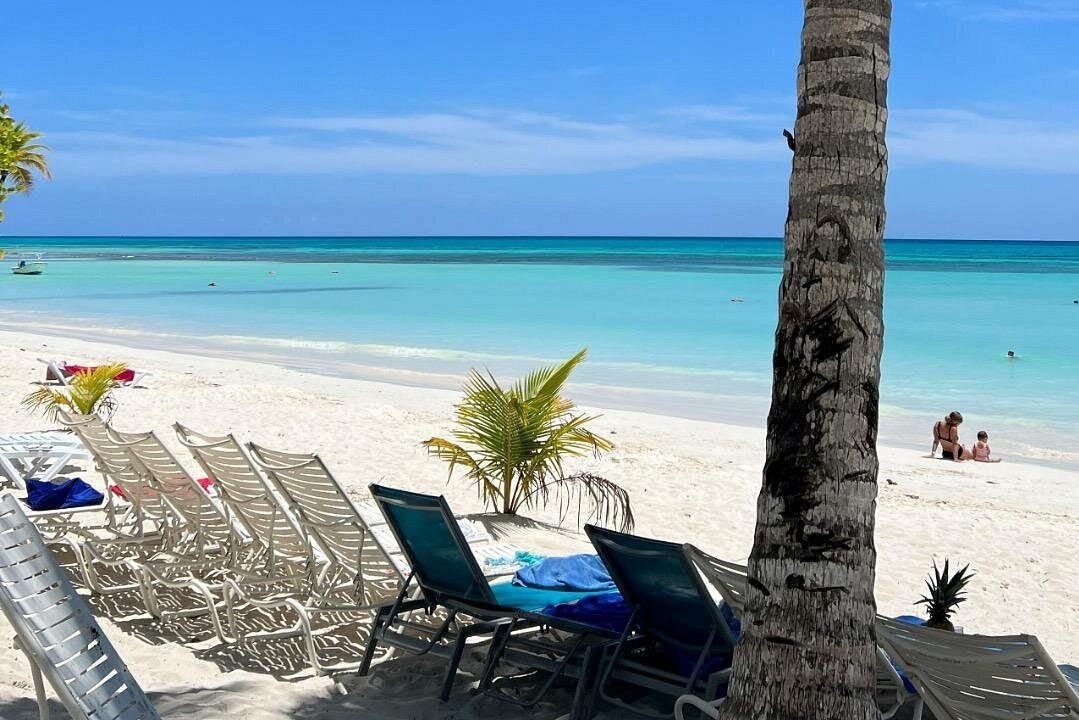
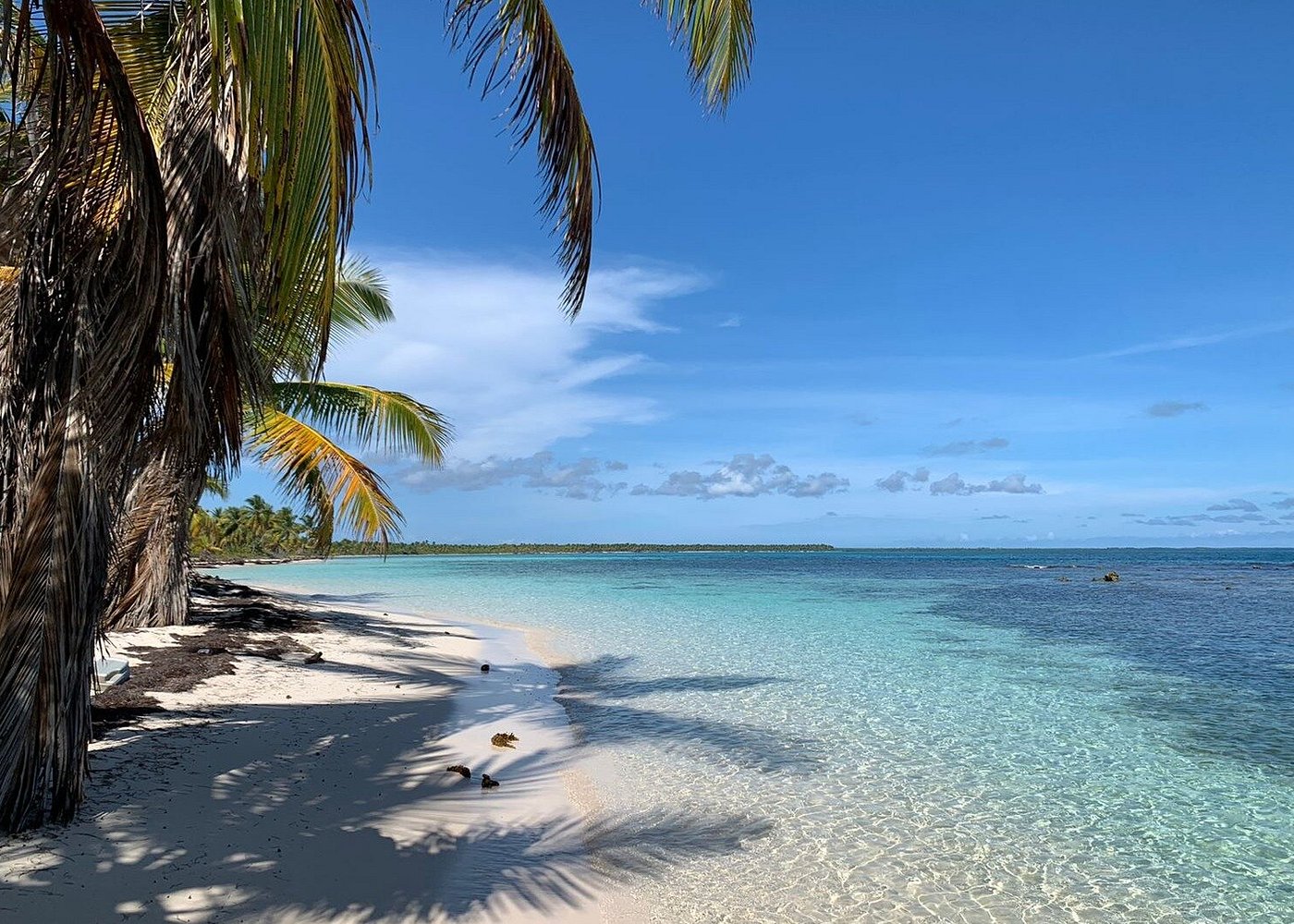
Saona Island is widely recognized for its white-sand beaches, clear Caribbean waters, tropical vegetation, and beautiful coastal scenery. Located in the southeastern Dominican Republic, it is part of the wider protected landscape of Cotubanamá National Park.
Beyond its value as a travel destination, Saona Island represents an important natural environment where scientific research can help explain how coastal and marine ecosystems function.
Conservation research is essential for understanding biodiversity, identifying environmental changes, monitoring habitat conditions, and supporting better decisions about natural-resource management.
But what does conservation research actually involve How do scientists study marine environments around an island And why does environmental monitoring matter for the future of Saona Island?
This guide explores the role of scientific research in marine conservation and explains the methods that can help protect island ecosystems.
Why Is Conservation Research Important for Saona Island?
A beautiful coastal environment can contain complex ecological relationships that are not always visible to visitors.
Seagrass beds, mangroves, coral communities, beaches, shallow-water habitats, and marine wildlife are connected through natural processes. Changes in one part of an ecosystem can influence other parts.
Conservation research helps scientists understand these relationships.
It can provide information about:
- The distribution of marine and coastal species.
- The condition of sensitive habitats.
- Changes in water quality.
- The effects of human activities.
- Coastal erosion and habitat changes.
- The effectiveness of conservation measures.
Without reliable information, environmental management decisions may be based on incomplete observations.
Research helps replace assumptions with evidence.
1. Marine Biodiversity Surveys
Biodiversity refers to the variety of living organisms found in an environment, including plants, animals, fungi, and microorganisms.
Marine biodiversity surveys help researchers understand which species occur in an area and how they use different habitats.
Around an island environment such as Saona Island, research may examine:
- Reef-associated fish.
- Marine invertebrates.
- Seagrass-associated organisms.
- Coastal birds.
- Marine mammals.
- Sea turtles.
- Mangrove-associated species.
Different species require different survey techniques. Some are easier to observe underwater, while others may be monitored from shore or through carefully designed field surveys.
Why Are Biodiversity Surveys Useful?
Biodiversity information can help researchers identify important habitats and understand how species communities change over time.
Repeated surveys can also help reveal whether certain species are becoming less frequently observed or whether habitat conditions are changing.
However, a single observation cannot establish a long-term population trend. Reliable conclusions usually require consistent methods and repeated data collection.
2. Coral Reef Research
Coral reefs are important marine ecosystems that provide habitat for many organisms.
They can contribute to coastal protection, support marine biodiversity, and attract nature-based tourism.
Scientific research can help assess reef condition through several methods.
Coral Cover Surveys
Researchers may estimate the percentage of the seabed covered by living coral, algae, sand, or other materials.
This provides information about the composition of a reef habitat.
Coral Health Assessments
Scientists may record visible signs of coral stress, disease, bleaching, or physical damage.
These observations can help identify areas that require further investigation.
Fish Community Monitoring
Fish surveys can provide additional information about reef ecosystems.
Researchers may record species presence, abundance, size categories, and habitat associations.
Why Does Long-Term Monitoring Matter?
Coral reef conditions can change because of natural events and human-related pressures.
A single survey provides a snapshot. Repeated observations help scientists understand whether changes are temporary or part of a longer-term pattern.
It is important not to assume that every reef near Saona Island has the same condition. Site-specific research is needed to make accurate assessments.
3. Seagrass Research and Monitoring
Seagrass meadows are underwater habitats formed by flowering marine plants.
They are ecologically important because they provide shelter and feeding areas for marine organisms, stabilize sediments, and contribute to coastal ecosystem processes.
Research into seagrass habitats may include:
- Mapping the distribution of seagrass beds.
- Measuring vegetation cover.
- Identifying seagrass species.
- Recording water depth and visibility.
- Monitoring sediment characteristics.
- Observing signs of physical disturbance.
Why Are Seagrass Meadows Important?
Seagrass habitats support a variety of marine organisms and can contribute to carbon storage in coastal sediments.
They may also provide feeding grounds for certain marine animals.
Understanding their distribution and condition is therefore useful for coastal conservation planning.
Researchers may use underwater photography, GPS mapping, transect surveys, and other field techniques to monitor these habitats.
4. Mangrove Ecosystem Research
Mangroves are coastal trees and shrubs adapted to saline or brackish environments.
Their root systems create complex habitats that support fish, crustaceans, birds, and other organisms.
Mangroves can also help stabilize coastlines and trap sediments.
Research may investigate:
- Mangrove species composition.
- Forest density and tree structure.
- Seedling growth and regeneration.
- Root-zone conditions.
- Sediment characteristics.
- Changes in mangrove coverage.
How Do Scientists Study Mangroves?
Field researchers may establish sample plots and record tree measurements, species identity, and regeneration.
Satellite imagery and aerial photography can help examine changes in mangrove distribution over larger areas.
Combining field measurements with remote sensing provides a more complete understanding of ecosystem condition.
5. Water Quality Monitoring
Water quality is an important part of marine ecosystem health.
Researchers examine physical, chemical, and biological properties of water to understand environmental conditions.
Common water-quality indicators include:
Temperature: Water temperature influences marine organisms and ecological processes.
Salinity: Salinity describes the concentration of dissolved salts in water.
pH: This measures how acidic or alkaline the water is.
Dissolved oxygen: Oxygen dissolved in water is important for aquatic organisms.
Turbidity: Turbidity indicates how cloudy the water is because of suspended particles.
Nutrients: Compounds containing nitrogen and phosphorus can influence aquatic productivity. Excessive nutrient enrichment may contribute to harmful environmental changes.
Microbiological indicators: These may be used to assess possible contamination and recreational water-quality concerns.
How Are Water Samples Collected?
Researchers generally follow a planned sampling procedure.
A typical sampling process may include:
- Selecting suitable sampling locations.
- Recording the location and collection time.
- Measuring selected parameters in the field.
- Collecting samples in appropriate containers.
- Preserving and transporting samples according to laboratory requirements.
- Analyzing samples using suitable methods.
- Recording and interpreting the results.
Sampling methods must be consistent if results from different locations or dates are to be compared.
Water-quality research should not be confused with a guarantee that a particular beach is safe for swimming. Recreational safety assessments require appropriate current testing and interpretation.
6. Coastal Erosion and Shoreline Research
Beaches are dynamic environments. Their shape and position can change because of waves, currents, storms, tides, sediment movement, and other natural processes.
Human activities may also influence coastal conditions.
Coastal research can help determine how shorelines change over time.
Common Research Methods
Shoreline mapping: Researchers compare the position of the shoreline at different dates.
GPS surveys: Field measurements help document beach profiles and coastal features.
Satellite imagery: Repeated satellite images can reveal large-scale shoreline changes.
Drone surveys: Where authorized, aerial surveys can provide detailed information about coastal landforms.
Sediment analysis: Researchers may examine grain size and sediment characteristics to understand coastal processes.
Why Is This Research Useful?
Understanding shoreline change can support coastal planning, habitat protection, and risk assessment.
It can also help distinguish between short-term changes caused by weather and longer-term coastal trends.
7. Marine Wildlife Research
Marine wildlife research helps scientists understand the distribution, behavior, habitat requirements, and conservation needs of different species.
Research methods depend on the animal being studied.
For example:
- Visual observation can document animal sightings.
- Photography can help identify individuals or species when appropriate.
- Acoustic monitoring can detect certain underwater sounds.
- Satellite tracking may be used in carefully designed studies.
- Nest monitoring can support research on sea turtle reproduction.
- Environmental DNA may help detect the presence of species through genetic material in water samples.
Research involving wildlife must follow appropriate ethical and legal requirements.
Animals should not be chased, handled, fed, or disturbed for the sake of obtaining photographs or observations.
8. How Technology Supports Conservation Research
Modern technology has expanded the methods available to environmental scientists.
Geographic Information Systems (GIS)
GIS allows researchers to organize and analyze geographic information.
It can be used to map habitats, survey locations, coastal features, and environmental observations.
Satellite Remote Sensing
Satellite images help researchers observe large areas and compare environmental conditions over time.
They can support land-cover mapping, shoreline analysis, and habitat monitoring.
Underwater Cameras
Underwater cameras allow scientists to document habitats and organisms without relying entirely on direct observation.
Environmental DNA
Environmental DNA, often called eDNA, refers to genetic material organisms leave in their surroundings.
Water samples can be analyzed to detect traces of certain species.
This approach can complement traditional biodiversity surveys, although results require careful interpretation.
Acoustic Monitoring
Underwater acoustic equipment can record sounds from marine environments.
Depending on the equipment and study design, researchers may investigate biological sounds, underwater noise, and changes in the acoustic environment.
9. The Role of Local Communities in Conservation Research
Scientific research becomes more useful when it considers local knowledge and community participation.
People who work and live near coastal environments may have valuable observations about seasonal changes, fishing activity, shoreline conditions, and wildlife encounters.
Community involvement can support:
- Reporting environmental changes.
- Participating in awareness programs.
- Supporting habitat monitoring.
- Sharing observations with researchers.
- Improving communication between scientists and local stakeholders.
Local knowledge does not replace scientific measurement. Instead, it can help researchers identify important questions and understand environmental changes within a broader context.
Responsible research should also respect community participation, local livelihoods, and applicable rules.
10. Challenges Facing Marine Conservation Research
Research in tropical island environments can involve several practical challenges.
Difficult Field Conditions
Weather, waves, currents, visibility, and tides can affect survey activities.
Researchers must plan fieldwork carefully and avoid unsafe conditions.
Limited Long-Term Data
Some locations may not have continuous environmental records.
Without repeated measurements, it can be difficult to determine whether a change is temporary or part of a longer trend.
Financial and Equipment Requirements
Marine research may require boats, laboratory equipment, trained personnel, sampling materials, and specialized technology.
These requirements can make long-term monitoring expensive.
Complex Ecosystem Relationships
Marine ecosystems contain many interacting organisms and environmental processes.
A change in one indicator does not necessarily explain the condition of the entire ecosystem.
Researchers often need several types of evidence before drawing conclusions.
Coordination and Permissions
Field research in protected areas may require authorization, coordination, and compliance with applicable environmental and research regulations.
Researchers should confirm requirements with the relevant authorities before conducting field activities.
11. How Can Research Help Protect Saona Island?
Scientific information can support practical conservation decisions.
For example, habitat mapping may help identify areas that need protection. Water-quality monitoring may reveal changes that require further investigation. Shoreline studies may help inform coastal planning.
Research can contribute to:
- Identifying sensitive habitats.
- Improving environmental monitoring.
- Supporting protected-area management.
- Assessing the effects of tourism and other activities.
- Identifying conservation priorities.
- Measuring the results of management actions.
The important point is that research should lead to useful decisions.
Collecting data is only the beginning. The information must be analyzed, communicated, and considered by the people responsible for environmental management.
12. Can Visitors Participate in Conservation Research?
Visitors are not automatically permitted to conduct scientific research during an ordinary Saona Island excursion.
However, travelers can support conservation in several responsible ways.
They can:
- Follow protected-area instructions.
- Avoid disturbing wildlife.
- Stay away from restricted habitats.
- Never collect biological specimens without authorization.
- Report obvious environmental concerns to appropriate staff.
- Support credible conservation organizations.
- Learn about the ecosystems they visit.
Some destinations offer structured citizen-science activities, but visitors should verify whether any such program is officially available before participating.
A normal sightseeing tour should not be presented as a scientific research experience unless it genuinely includes an authorized research activity.
13. The Future of Conservation Research on Saona Island
The long-term protection of Saona Island depends on understanding how its ecosystems change and how human activities interact with the natural environment.
Future research priorities may include improved habitat mapping, repeated biodiversity surveys, water-quality monitoring, coastal change assessment, and better integration of scientific data into protected-area management.
Combining field research, modern technology, local knowledge, and effective environmental management can strengthen conservation planning.
However, scientific findings must be site-specific, carefully documented, and communicated responsibly.
There is no single measurement that can describe the health of an entire island ecosystem.
A combination of evidence is needed to understand the different habitats and environmental processes that make Saona Island important.
Frequently Asked Questions
1. Why is conservation research important on Saona Island?
Conservation research helps scientists understand biodiversity, monitor habitat conditions, identify environmental changes, and provide evidence that can support better protection of natural ecosystems.
2. What types of marine research can be conducted around Saona Island?
Possible research areas include coral reef surveys, seagrass monitoring, mangrove studies, water-quality testing, marine wildlife observation, and coastal change assessment. Actual projects depend on research objectives, permissions, and available resources.
3. How do scientists monitor coral reefs?
Scientists may use underwater transects, photography, coral-cover estimates, fish surveys, and repeated habitat assessments to evaluate reef conditions.
4. Can satellite images help protect Saona Island?
Yes. Satellite imagery can help researchers map land cover, examine coastal changes, and monitor certain environmental patterns across large areas.
5. What is environmental DNA?
Environmental DNA is genetic material that organisms leave in their surroundings. Scientists can analyze water or other environmental samples to detect evidence of particular species.
6. Can tourists join marine research projects on Saona Island?
Only if a legitimate research or citizen-science program permits visitor participation. Ordinary excursions should not be assumed to provide authorized research opportunities.
7. Is research conducted throughout Cotubanamá National Park?
Research opportunities and projects may vary by location and time. Researchers should contact the relevant authorities and confirm permissions before carrying out work in protected areas.
8. How can visitors support marine conservation?
Visitors can respect protected-area rules, avoid disturbing wildlife, prevent littering, and support credible conservation initiatives.
Conclusion: Science Is an Important Part of Protecting Saona Island
Saona Island is more than a beautiful Caribbean destination. Its coastal and marine environments contain interconnected ecosystems that deserve careful study and protection.
Conservation research helps explain how these ecosystems function, how their conditions change, and what management actions may be needed.
From biodiversity surveys and coral monitoring to water-quality testing and satellite mapping, scientific methods can provide valuable evidence for protecting natural resources.
For visitors, understanding this research creates a deeper appreciation of the island. A memorable trip is not only about enjoying the beaches and turquoise water; it is also about recognizing the ecological value of the place.
By supporting responsible tourism and respecting conservation efforts, travelers can contribute to a future in which Saona Island's natural beauty remains valued and protected.

Local explorer & expert guide in Whale Sabana de la Mar.