The Riverbank Vegetation of Los Haitises National Park: Plants, Soil Stability and Wildlife Habitat
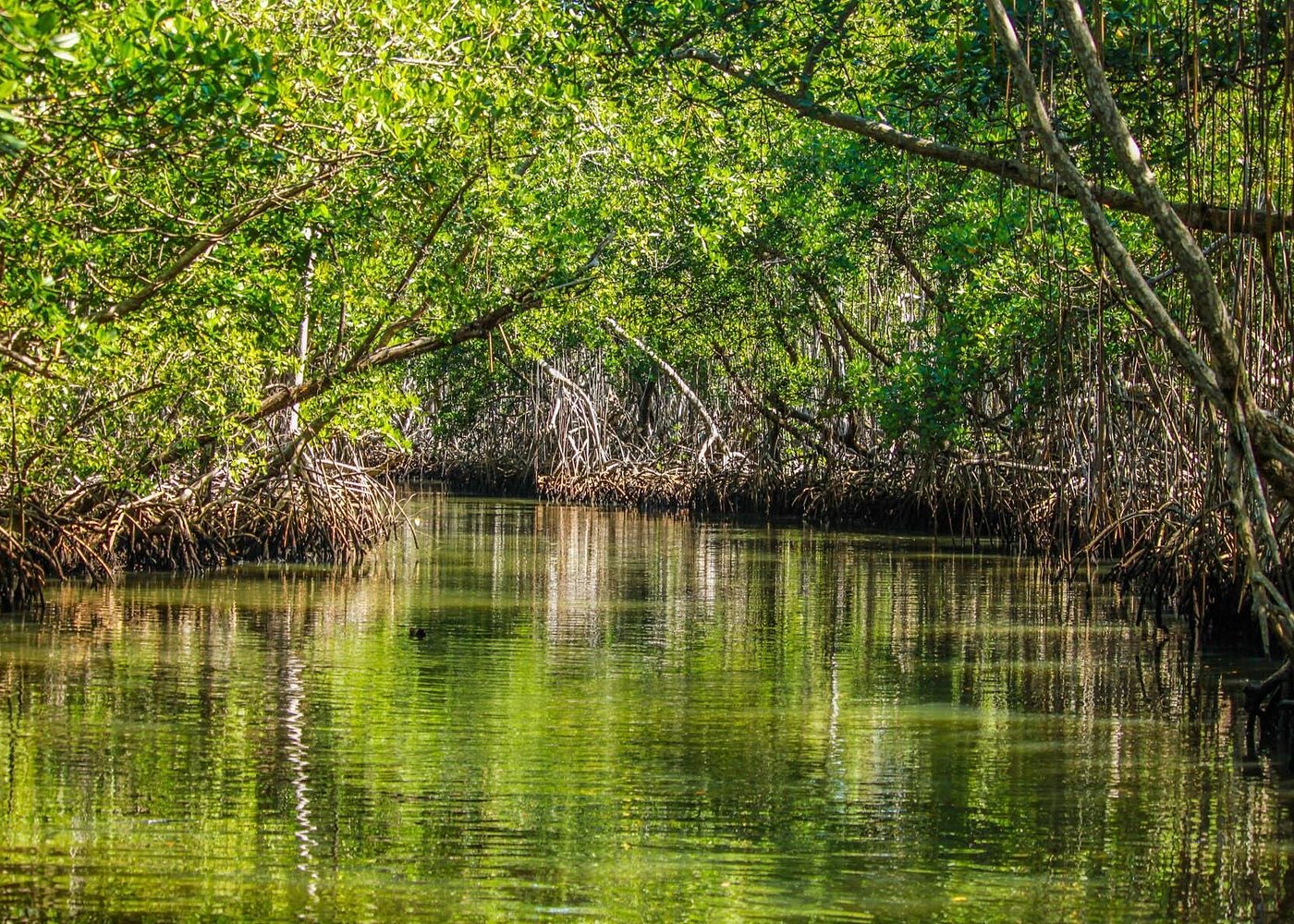
The rivers and freshwater channels of Los Haitises National Park are surrounded by a variety of natural habitats. Along their edges, vegetation plays an important role in maintaining the ecological balance between land and water.
Riverbank plants do much more than make the landscape look green. Their roots help hold soil in place, their leaves provide shade, and their branches create shelter for birds, insects and other animals. Fallen leaves and other organic material also contribute to the food webs of freshwater environments.
These areas are commonly associated with riparian vegetation, a term used to describe plants growing along rivers, streams and other water bodies.
Los Haitises is particularly interesting because its river and wetland environments occur within a humid tropical landscape shaped by limestone geology, groundwater movement and coastal drainage.
This guide explains the importance of riverbank vegetation, how it contributes to soil stability, why it supports wildlife and how it fits into the wider ecosystem of Los Haitises National Park.
1. What Is Riverbank Vegetation?
Riverbank vegetation refers to the plants growing along the edges of rivers, streams and freshwater channels.
These plants form a transition between aquatic environments and surrounding terrestrial habitats.
Depending on water availability, soil conditions and local topography, riverbanks may support trees, shrubs, grasses, ferns, vines and other vegetation.
The plant communities found along one river may differ from those growing beside another.
Some riverbanks remain moist throughout much of the year, while others experience changing water levels and occasional flooding.
In tropical environments, this variation can create several vegetation zones within a relatively small area.
Riverbank vegetation is also called riparian vegetation because it belongs to the ecological zone where land and water interact.
2. Why Riverbank Vegetation Matters in Los Haitises
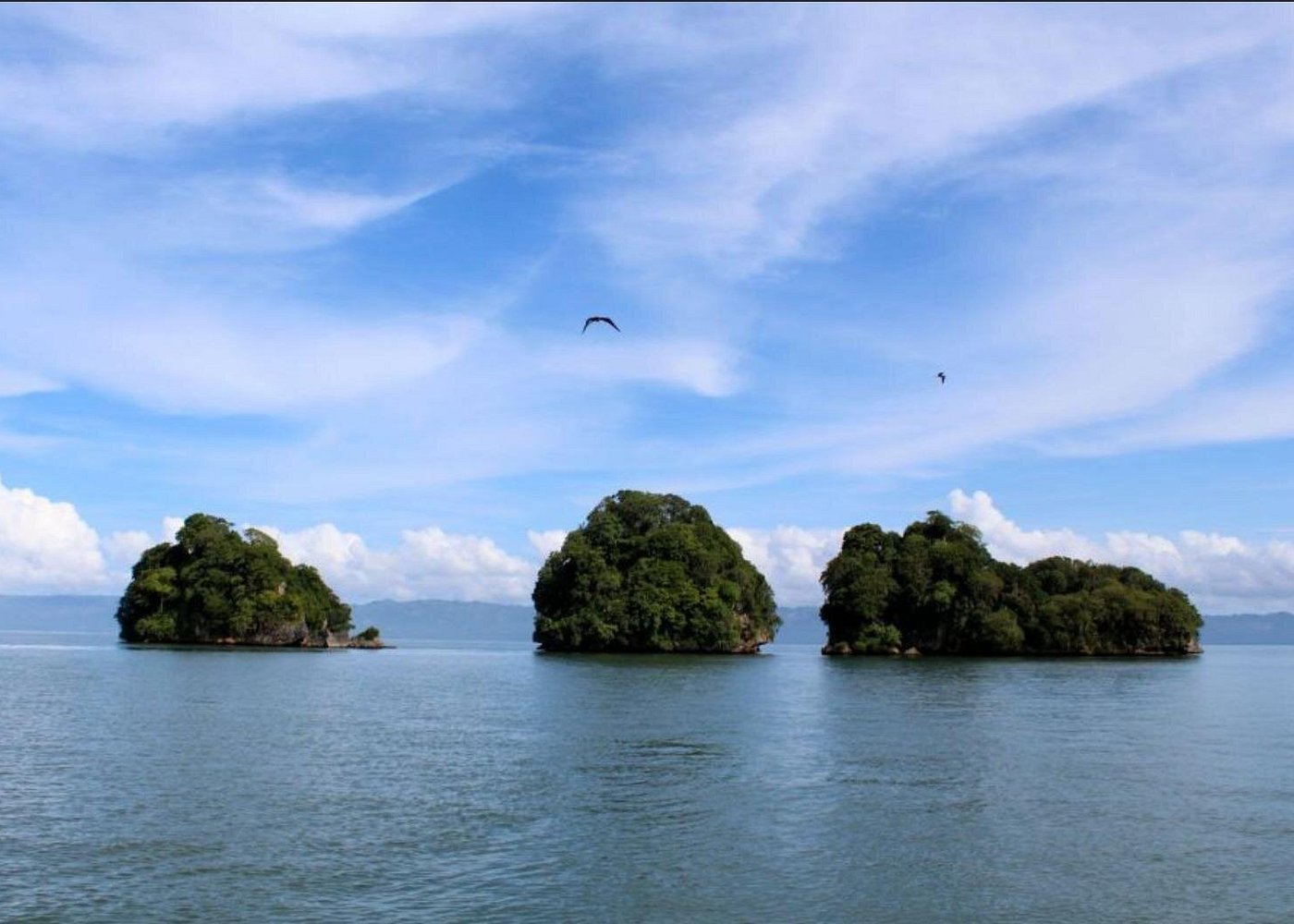
Los Haitises National Park contains a diverse combination of tropical forest, limestone formations, wetlands, rivers and mangrove habitats.
These environments are connected through water movement and ecological processes.
Riverbank vegetation is important because it helps maintain the transition between freshwater channels and surrounding land.
Its main ecological functions include:
- Holding soil together through plant roots.
- Reducing the direct impact of rainfall on exposed ground.
- Providing shade along freshwater channels.
- Offering shelter and feeding opportunities for wildlife.
- Supplying leaves and organic material to aquatic food webs.
- Creating connections between different natural habitats.
Not every riverbank in the park has the same plant community. The vegetation depends on local soil, flooding patterns, water availability and surrounding landscape.
3. Trees Along Tropical Riverbanks
Trees are important structural components of many tropical riparian environments.
Their trunks, branches, leaves and roots create several layers of habitat.
Large trees can provide shade, while smaller trees and shrubs create lower vegetation layers.
The root systems of riverbank trees may help stabilize soil, particularly where banks are exposed to moving water.
Fallen branches and leaves also contribute organic material to the surrounding environment.
However, it is important not to assume that one particular tree species dominates every riverbank in Los Haitises. A reliable species inventory would require location-specific botanical surveys.
The park's wider forest landscape contains diverse tropical vegetation, but the exact composition of individual riverbank communities can vary.
4. Shrubs, Grasses and Low-Growing Plants
Not all riverbank vegetation consists of trees.
Shrubs, grasses, herbs and other low-growing plants can be equally important.
These plants often grow along the edges of channels, where sunlight reaches the ground.
Their roots can form a network that helps bind surface soil.
Low vegetation also provides small-scale shelter for insects and other invertebrates.
Where water levels change, some plants may tolerate temporary flooding, while others grow mainly on higher and better-drained ground.
This creates a gradual transition from the water's edge to the surrounding forest.
The combination of trees, shrubs and smaller plants makes riverbank vegetation ecologically valuable.
5. How Plant Roots Help Stabilize Riverbanks
One of the most important functions of riverbank vegetation is soil stabilization.
Water flowing through a channel can gradually remove exposed soil. This process is known as erosion.
Plant roots can reduce the vulnerability of riverbanks by binding soil particles together.
A dense root network can help:
- Hold loose soil in place.
- Reduce the movement of surface sediment.
- Support the structure of the riverbank.
- Limit erosion caused by rainfall runoff.
- Improve the resistance of some bank areas to ordinary water movement.
The effectiveness of vegetation depends on root depth, plant density, soil type, bank slope and the strength of water flow.
Vegetation cannot prevent every type of erosion. Strong floods, unstable banks and major changes in water movement can still cause soil loss.
Nevertheless, healthy riverbank vegetation is an important natural component of erosion control.
6. Riverbank Vegetation and Water Quality
Plants along riverbanks can influence the quality of nearby freshwater environments.
When rainfall flows across exposed land, it may carry loose soil and other materials toward rivers.
Vegetated river margins can slow some of this runoff.
Plant stems, leaves and ground cover may help trap sediment before it reaches the channel.
This process can reduce the amount of soil entering a waterway under suitable conditions.
Riverbank vegetation can also contribute organic material to freshwater systems.
Leaves, twigs and other plant remains are broken down by microorganisms and invertebrates. These materials become part of the natural nutrient cycle.
However, vegetation alone cannot remove every pollutant. Chemical contamination, excessive sediment loads and other pollution sources require additional conservation and management measures.
7. Shade and Temperature Along Freshwater Channels
Trees and other vegetation can create shade along riverbanks.
This shade may reduce direct exposure of the water surface to sunlight.
In some freshwater environments, shaded banks help moderate local water temperatures.
Vegetation can also create different light conditions across a channel.
Some areas remain shaded beneath trees, while others receive more sunlight where the canopy is open.
These differences influence aquatic plants, algae and the organisms living in the water.
The effect of shade depends on tree height, canopy density, channel width and sunlight exposure.
In Los Haitises, the interaction between humid tropical vegetation and freshwater environments contributes to the diversity of local habitats.
8. Wildlife Supported by Riverbank Vegetation
Riverbank vegetation creates habitat for many types of wildlife.
Its importance comes from the different structures and resources it provides.
Birds
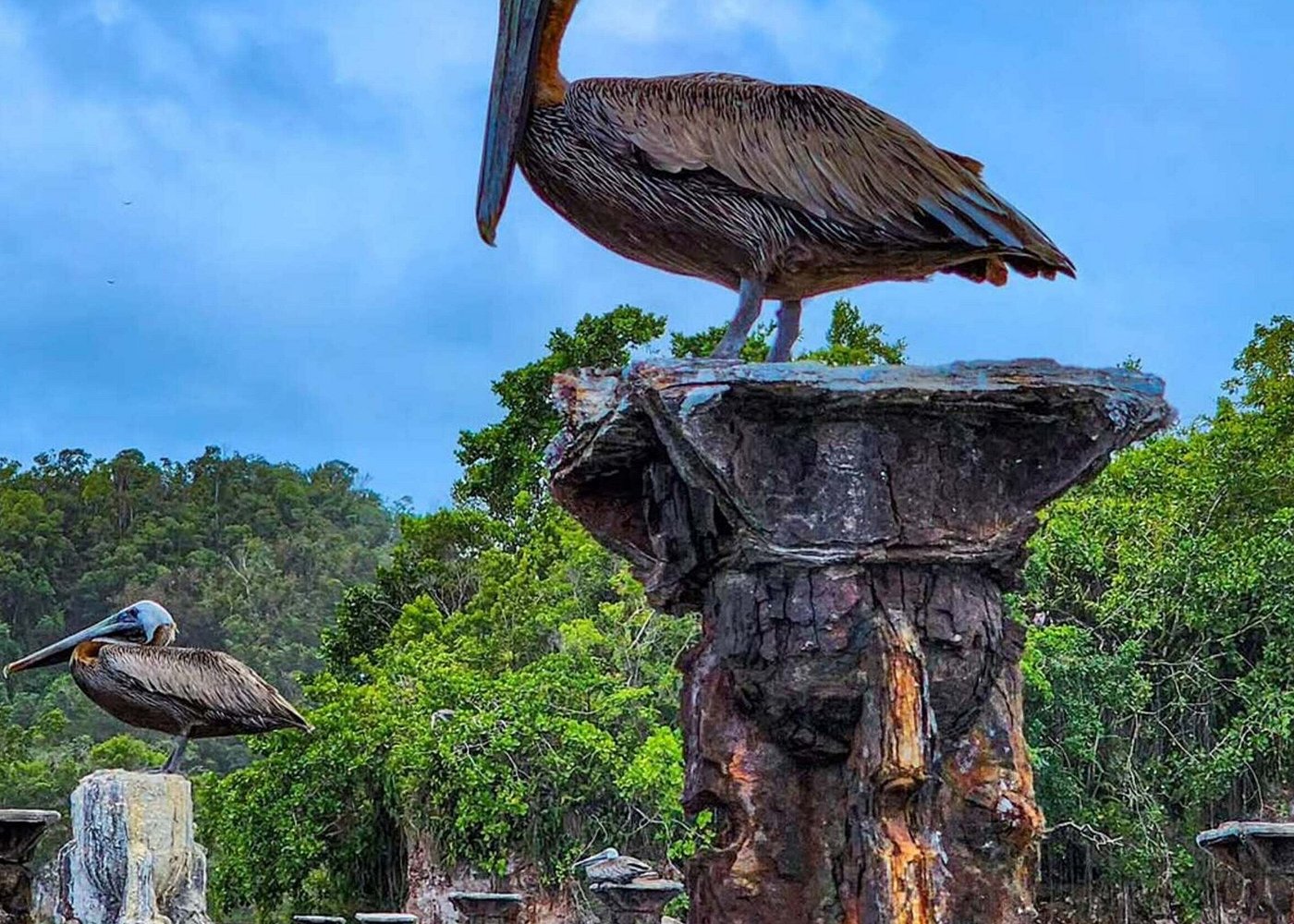
Trees and shrubs can provide resting places, shelter and potential nesting habitat for birds.
Branches above the water may also serve as perches for birds searching for food.
Insects
Leaves, flowers, bark and moist soil provide resources for many insects.
Some species use vegetation for feeding, reproduction and protection.
Amphibians
Moist vegetation and shaded environments can be useful for amphibians that depend on humid conditions.
However, the presence of particular amphibian species at a specific riverbank should be confirmed through local surveys.
Reptiles
Some reptiles use vegetation near freshwater habitats for shelter, movement and access to food.
Aquatic organisms
Plant material entering rivers can contribute to the food resources available to microorganisms and aquatic invertebrates.
These relationships show that riverbank vegetation supports both land-based and water-based ecological communities.
9. Riverbank Vegetation and Tropical Food Webs
Riverbank plants contribute to freshwater food webs through several processes.
Leaves and small branches may fall into the water, where microorganisms begin breaking them down.
Aquatic invertebrates can use this organic material as a food resource.
Small animals may then become food for fish and other predators.
Vegetation also supports insects that may become food for birds, reptiles and amphibians.
This means that the ecological value of riverbank plants extends beyond the plants themselves.
They contribute energy and habitat resources to a wider network of organisms.
The amount and type of organic material entering the water vary according to plant species, season and local conditions.
10. The Relationship Between Riverbanks and Wetlands
Riverbank vegetation and wetland vegetation can occur close together, but they are not exactly the same.
Riverbank vegetation grows along the margins of flowing water bodies.
Wetland vegetation occurs in areas where water influences soil conditions for long enough to support wetland ecosystems.
In Los Haitises, these habitats may form connected environmental zones.
A riverbank can gradually transition into a wetland where the ground becomes lower and more frequently waterlogged.
The vegetation changes according to the availability of oxygen in the soil, flooding duration and local drainage.
These transitions are important because they provide different habitat conditions for wildlife.
The relationship also demonstrates why conservation planning should consider connected habitats instead of treating rivers, forests and wetlands as completely separate environments.
11. How Seasonal Flooding Affects Riverbank Plants
Riverbank vegetation experiences changes in water availability throughout the year.
During wetter periods, increased rainfall can raise water levels and cause temporary flooding along some banks.
Floodwater may cover the lower portions of plants and deposit sediment.
Some plants tolerate these conditions, while others may be damaged by prolonged flooding.
During drier periods, exposed bank surfaces may experience reduced soil moisture.
Plants with suitable root systems and other adaptations may continue growing under these conditions.
Seasonal flooding can also influence the distribution of vegetation by creating different soil and moisture conditions.
The exact response depends on local hydrology and the plant species present.
12. Riverbank Vegetation in the Wider Karst Landscape
The geology of Los Haitises has an important influence on its freshwater habitats.
The park is part of a limestone karst landscape containing natural depressions, fractures, caves and underground drainage pathways.
Rainwater can enter the limestone and move through underground openings before emerging elsewhere.
This means that surface water and groundwater can interact in complex ways.
Some riverbanks may be influenced by nearby groundwater discharge, while others depend more directly on surface drainage and rainfall.
The vegetation along these waterways responds to the resulting differences in soil moisture and water availability.
This geological context helps explain why riverbank plant communities can vary considerably within the same protected landscape.
13. Environmental Threats to Riverbank Vegetation
Riverbank vegetation can be affected by several environmental pressures.
Potential threats include:
Vegetation removal: Cutting or clearing plants can expose riverbank soil to erosion.
Pollution: Waste and contaminated runoff can affect plants, aquatic organisms and water quality.
Excessive sediment: Large amounts of sediment can alter channel conditions and affect aquatic habitats.
Uncontrolled fires: Fires can damage vegetation and expose soil.
Unmanaged access: Repeated disturbance can damage sensitive river margins.
Changes in drainage: Alterations to natural water movement may affect the moisture conditions required by riverbank plants.
The Los Haitises management plan for 2012–2017 discusses broader conservation concerns involving habitat degradation, vegetation loss, fires and pollution.
These are historical management references, not proof that every listed pressure currently affects every riverbank in the park.
14. How Riverbank Vegetation Can Be Conserved
Protecting riverbank vegetation requires maintaining the natural relationship between land and freshwater.
Useful conservation measures include:
- Preventing unnecessary removal of native vegetation.
- Maintaining natural drainage pathways.
- Reducing pollution entering rivers.
- Monitoring erosion-prone riverbanks.
- Protecting sensitive vegetation from uncontrolled disturbance.
- Supporting scientific studies of local plant communities.
- Restoring degraded areas with appropriate native species where authorized.
Conservation should be based on ecological surveys.
Planting a species simply because it grows near water does not guarantee that it is suitable for a particular riverbank.
Successful restoration depends on local soil, flooding conditions and the natural vegetation community.
15. Responsible Ways to Observe Riverbank Vegetation
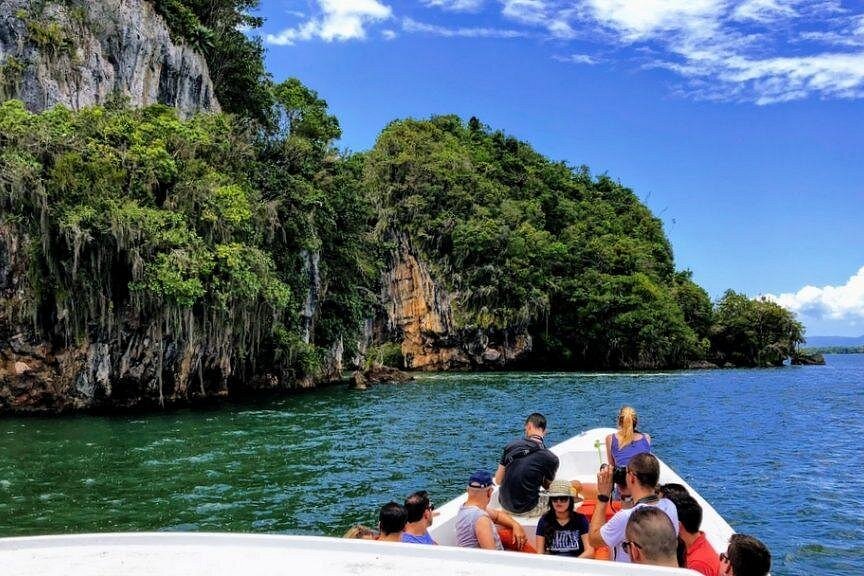
Visitors exploring Los Haitises may see vegetation along waterways, mangrove channels and other natural habitats.
Responsible observation helps protect these environments.
Visitors should:
- Follow authorized boat routes and visitor instructions.
- Avoid pulling or damaging plants.
- Keep rubbish out of the water.
- Avoid disturbing birds and other wildlife.
- Stay away from unstable riverbanks.
- Avoid entering restricted or sensitive habitats.
A guided excursion can help visitors understand the park's natural environment while reducing unnecessary disturbance.
Not every freshwater riverbank is open to tourism, so access should always be confirmed with park authorities or an authorized operator.
Frequently Asked Questions
1. What is riverbank vegetation?
Riverbank vegetation consists of trees, shrubs, grasses and other plants growing along rivers and freshwater channels.
2. Why is riverbank vegetation important in Los Haitises?
It helps stabilize soil, provides wildlife habitat, contributes organic material to freshwater food webs and supports the transition between land and water.
3. Do riverbank plants prevent erosion?
Their roots can help hold soil together and reduce erosion, although they cannot prevent all erosion caused by strong floods or unstable ground.
4. What types of plants grow along tropical riverbanks?
Tropical riverbanks may support trees, shrubs, grasses, herbs, vines and ferns. The exact species depend on local conditions.
5. How does vegetation affect freshwater quality?
Vegetation can slow runoff and trap some sediment before it enters rivers. It also contributes organic material to aquatic ecosystems.
6. Does riverbank vegetation provide habitat for birds?
Yes. Trees and shrubs can provide shelter, resting places, feeding opportunities and potential nesting habitat.
7. How does flooding affect riverbank plants?
Flooding changes soil moisture and can cover lower vegetation with water. Some plants tolerate temporary flooding, while others are less tolerant.
8. Is riverbank vegetation the same as mangrove vegetation?
No. Mangroves are specialized salt-tolerant coastal plants, while riverbank vegetation can include freshwater and terrestrial species.
9. How does limestone geology influence riverbank vegetation?
Karst geology affects drainage and groundwater movement, which can influence the moisture conditions that support riverbank plants.
10. Can visitors explore all riverbanks in Los Haitises?
No. Visitors should remain within authorized routes and follow current park access rules.
Conclusion
Riverbank vegetation is an important part of the natural environment of Los Haitises National Park.
Trees, shrubs and smaller plants help stabilize soil, influence water conditions and create habitat for wildlife. Their roots can reduce erosion, while leaves and other organic material contribute to freshwater food webs.
These vegetation communities also connect rivers with wetlands and surrounding tropical forests.
Protecting them means conserving the natural processes that keep the park's freshwater habitats healthy.
For visitors, observing riverbank vegetation offers another way to understand the ecological complexity of Los Haitises beyond its famous caves, limestone formations and mangrove channels.
Local explorer & expert guide in Whale Sabana de la Mar.