The Fruits and Seeds of Los Haitises National Park: Plant Reproduction, Seed Dispersal and Forest Regeneration
After flowers have been pollinated, many plants begin another important stage of reproduction: producing fruits and seeds. These structures allow plants to reproduce, spread into new locations and maintain their populations.
In a tropical forest such as Los Haitises National Park, fruits and seeds are connected with many ecological processes. Birds and other animals may eat fruits and transport seeds, while wind, water and gravity provide additional ways for seeds to move through the environment.
The park has a rich variety of native trees and shrubs. A botanical study published in Moscosoa in 2011 documented 140 tree species and 167 shrub species in the Los Haitises karst region. It also recorded information about their flowering and fruiting periods.
This guide explains how tropical forest plants produce fruits and seeds, how seeds travel through different habitats, why wildlife is important for seed dispersal and how successful seed establishment contributes to forest regeneration.
1. What Are Fruits and Seeds?
Fruits and seeds are important parts of the reproductive cycle of flowering plants.
After successful fertilization, the ovary of a flower generally develops into a fruit, while the fertilized ovules develop into seeds.
The fruit helps protect the developing seeds and, in many species, assists with their dispersal.
Seeds contain an embryo that can develop into a new plant when suitable conditions are available.
A seed commonly includes:
- An embryo, which develops into the new plant.
- A protective outer covering.
- Stored food reserves in many species.
Not all fruits look alike. Some are fleshy and juicy, while others are dry, hard or covered with specialized structures.
Their differences are closely connected with the ways plants reproduce and spread.
2. Why Fruits and Seeds Matter in Los Haitises
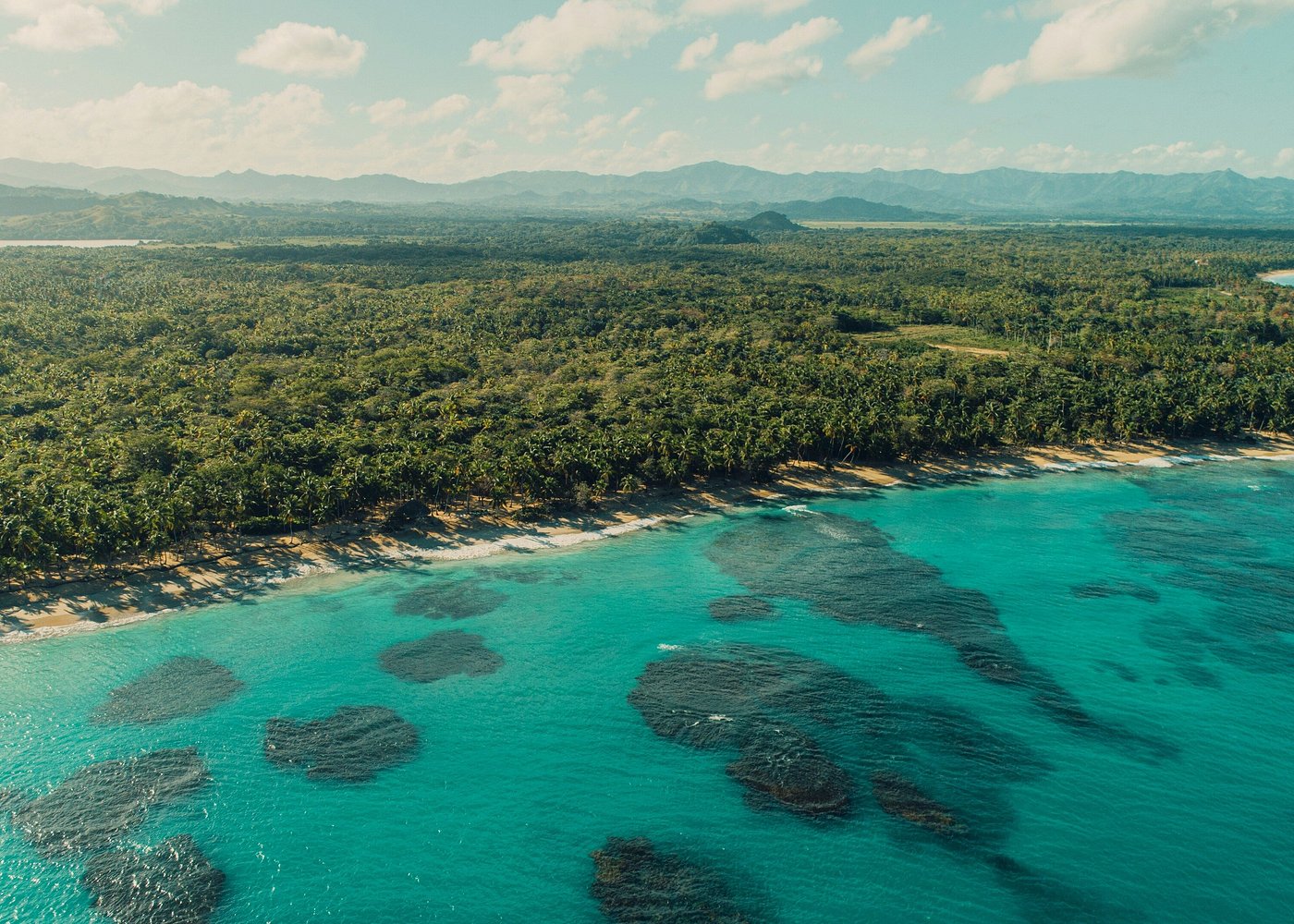
Los Haitises contains a diverse mixture of forest, limestone, wetland and coastal environments.
Each habitat supports plant communities that contribute to the wider ecological system.
Fruits and seeds are important because they help plants maintain and expand their populations.
Their ecological functions include:
Plant reproduction: Seeds contain the next generation of many flowering plants.
Wildlife food: Fleshy fruits provide food for fruit-eating animals.
Seed movement: Animals, water and wind can carry seeds away from parent plants.
Forest regeneration: Seeds that reach suitable locations may germinate and establish new plants.
Genetic diversity: Movement of seeds between different locations can help connect plant populations.
The importance of these processes becomes particularly clear when considering how forests recover after natural or human disturbance.
3. The Diversity of Fruit-Producing Plants in Los Haitises
A key botanical reference for the park is the 2011 study by Milcíades Mejía, José Pimentel and Ricardo García, titled Árboles y Arbustos de la región Cársica de Los Haitises, República Dominicana.
The research documented:
- 140 tree species.
- 167 shrub species.
- 28 endemic tree species.
- 57 endemic shrub species.
- 10 tree species described as exclusive to the park.
- 16 shrub species described as exclusive to the park.
The researchers also recorded information about the reproductive condition of plants, including flowering and fruiting periods.
This research provides evidence of the diversity of fruit-producing trees and shrubs in the park.
However, the figures represent the study's botanical inventory, not a current count of every plant species throughout all park habitats.
4. Different Types of Tropical Forest Fruits
Fruits vary in their size, shape, texture and internal structure.
Botanists classify fruits according to how they develop and their physical characteristics.
Some broad fruit types include:
Fleshy fruits
These fruits have soft or juicy tissues when mature.
Examples from tropical plant communities include berries and drupes.
Many fleshy fruits attract animals that consume them and may transport their seeds.
Dry fruits
Dry fruits have tissues that become relatively dry as they mature.
Some split open to release seeds, while others remain closed.
Capsules
Capsules are dry fruits that can open in different ways to release their seeds.
Pods
Pods develop from a single carpel and are characteristic of many members of the legume family.
Winged fruits
Some fruits have wing-like structures that help them travel through the air.
These different forms illustrate how plants have developed different methods of protecting and spreading their seeds.
5. How Birds Help Disperse Seeds
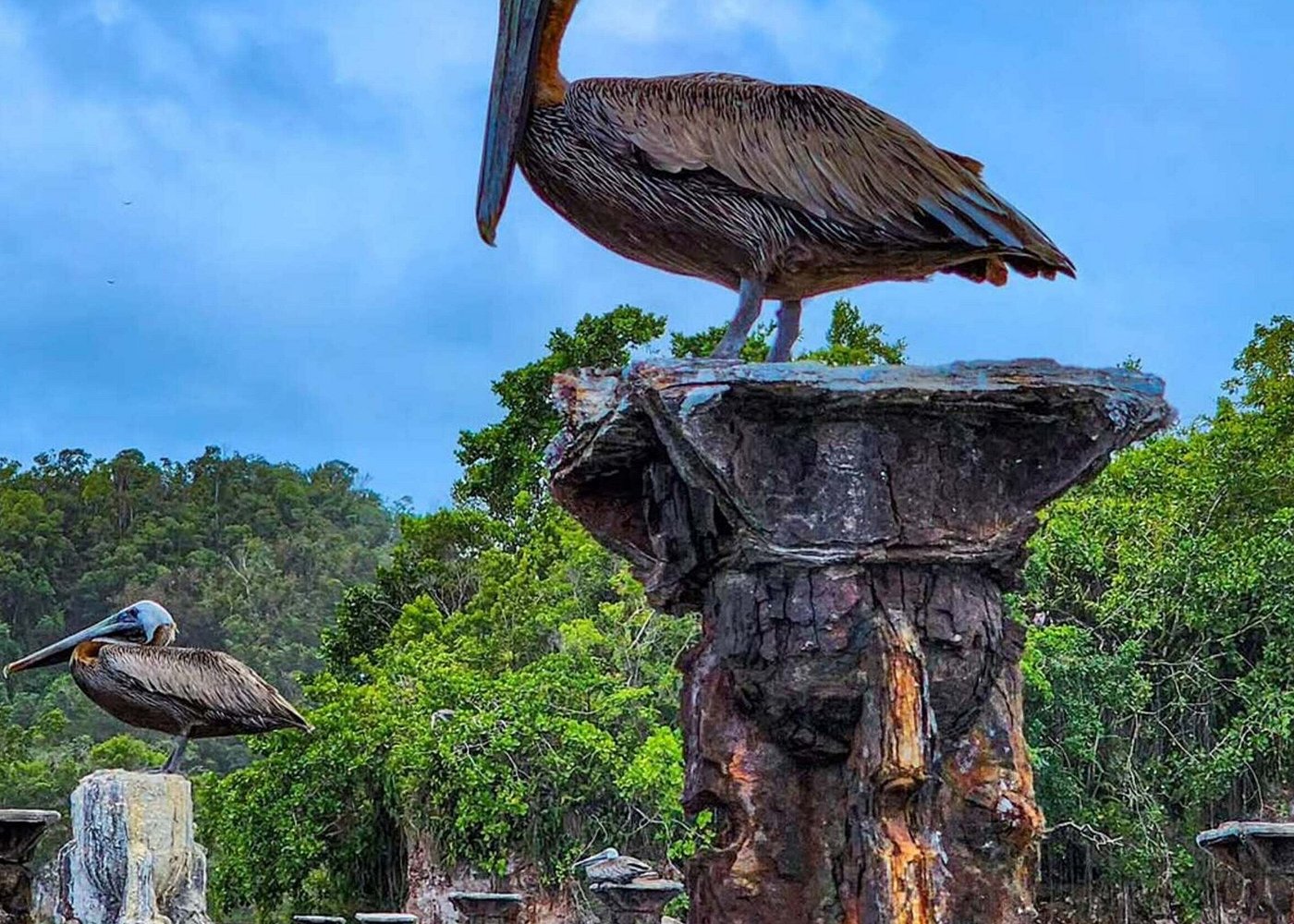
Birds are important seed dispersers in many tropical forests.
Fruit-eating birds, known as frugivores, consume fruits and may transport seeds away from the parent plant.
The process often works as follows:
- A bird finds a mature fruit.
- It consumes the fruit or its fleshy outer tissue.
- The seed may remain intact during digestion.
- The bird moves to another location.
- The seed is deposited in droppings.
If the seed reaches a suitable environment and remains viable, it may germinate.
Not every seed eaten by a bird survives digestion, and not every deposited seed develops into a plant.
Nevertheless, animal movement can help plants spread across forest environments.
The bird diversity of Los Haitises makes the relationship between fruiting plants and wildlife an important subject for ecological observation.
6. Other Animals That Help Spread Seeds
Birds are not the only animals involved in seed dispersal.
Depending on the plant species and habitat, several other groups may transport seeds.
Bats
Some fruit-eating bats consume fruits and move seeds between feeding locations.
They may disperse seeds through droppings or by dropping partially eaten fruit.
Small mammals
Some mammals collect and consume fruits or seeds.
Certain animals also store seeds for later consumption. Seeds that are not recovered may sometimes germinate.
Terrestrial animals
Animals moving through the forest may carry seeds externally or deposit them after consuming fruits.
The exact importance of each group varies according to the local plant and animal communities.
These are general tropical forest relationships. A detailed inventory of which animals disperse individual plant species in Los Haitises would require dedicated field research.
7. Seed Dispersal by Wind
Not every seed depends on animals.
Some plants produce seeds with structures that allow wind to carry them away from the parent plant.
These structures may include:
- Wings.
- Fine hairs.
- Lightweight coverings.
- Fluffy appendages.
Wind-dispersed seeds can travel different distances depending on their size, shape, release height and weather conditions.
This method may be especially useful for plants growing in open areas or along exposed forest edges.
However, wind dispersal does not guarantee successful establishment. A seed still needs to reach a suitable place where it can survive and grow.
8. Seed Dispersal by Water
Water can also move seeds.
In coastal and wetland environments, seeds or fruits may be carried by flowing water, tides or flooding.
Some plant species have fruits or seeds that can tolerate water movement and remain viable after transport.
This is particularly relevant when considering the variety of aquatic and coastal habitats associated with Los Haitises.
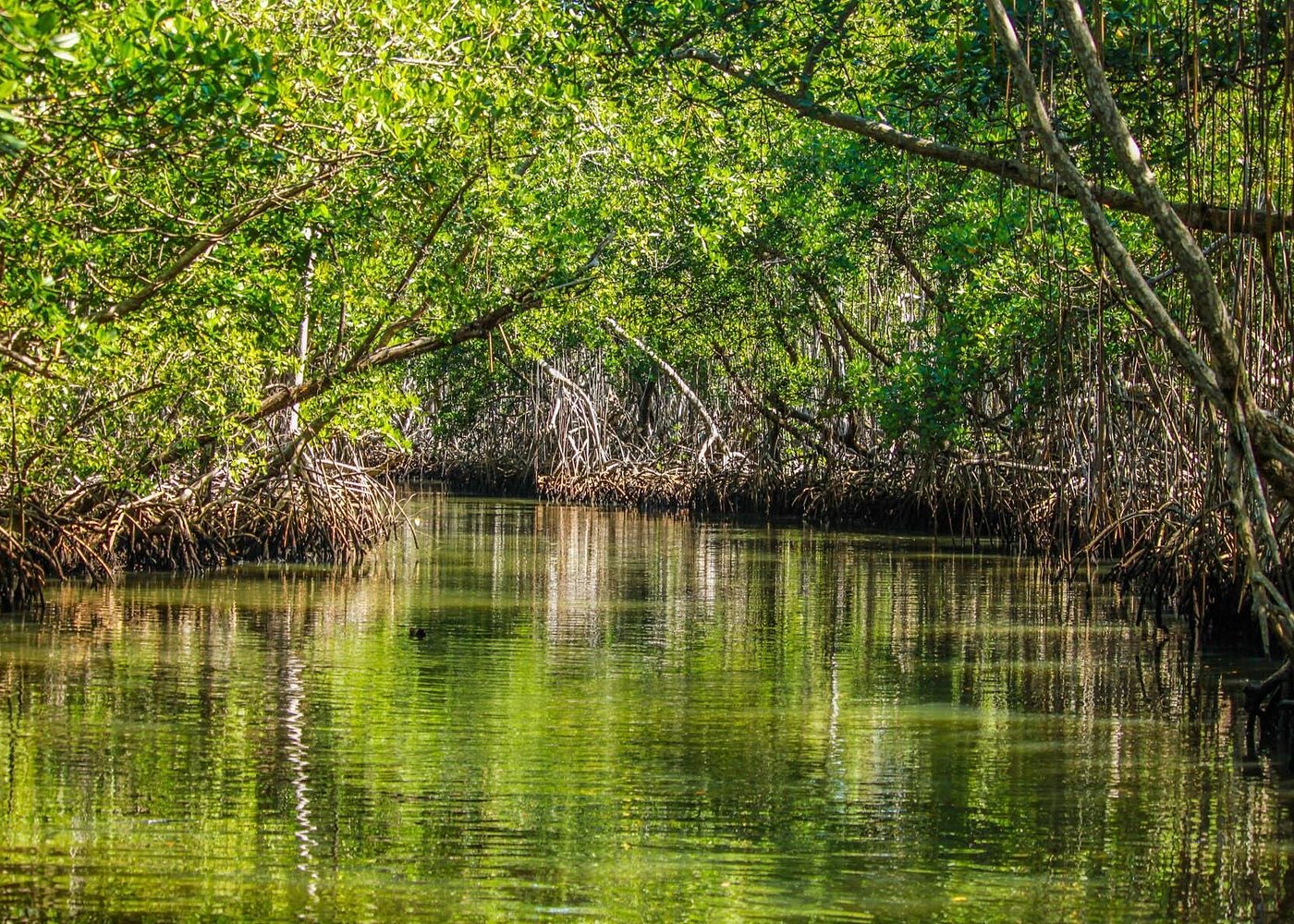
Mangrove plants have distinctive reproductive adaptations.
For example, red mangroves (Rhizophora mangle) produce elongated propagules that develop while attached to the parent plant. These can eventually detach and move through the water.
A propagule is a structure capable of developing into a new plant.
Mangrove reproduction differs from the familiar process of a dry seed falling from a forest tree, demonstrating how plants adapt their reproductive strategies to different environments.
9. What Happens When Seeds Reach the Forest Floor?
Seed dispersal is only the beginning of successful plant regeneration.
Once a seed reaches a new location, several conditions influence whether it can develop.
These include:
- Water availability.
- Suitable temperature.
- Light conditions.
- Soil or substrate characteristics.
- Seed condition and viability.
- Competition with other plants.
- Presence of seed predators and pathogens.
Some seeds germinate quickly when conditions are suitable.
Others remain dormant until environmental conditions trigger germination.
A seed may also fail to develop if it lands on exposed rock, dry ground or a surface without enough moisture.
In Los Haitises, the park's varied limestone terrain means that suitable places for seed establishment can differ considerably between habitats.
10. Seedlings and the Beginning of Forest Regeneration
A seedling is a young plant that has developed from a germinated seed.
Seedlings are an important part of forest regeneration because they represent the early stages of new plant growth.
However, germination alone does not guarantee that a plant will become a mature tree.
Young plants must survive several challenges.
These may include:
- Limited sunlight.
- Dry periods.
- Competition for water and nutrients.
- Damage from animals.
- Fungal diseases.
- Physical disturbance.
- Changes in surrounding vegetation.
Some seedlings survive in shaded forest conditions, while others require more light.
The ability of a species to establish itself depends on its biological characteristics and the environmental conditions around it.
11. The Importance of Seed Dispersal for Forest Recovery
Seed dispersal becomes especially important when forests are recovering from disturbance.
When vegetation is removed or damaged, seeds from surrounding plants may help recolonize the affected area.
Animals can contribute by transporting seeds from remaining forest patches into open locations.
Wind and water can also move seeds into new areas.
However, forest recovery is not always immediate.
A disturbed location may lack mature seed-producing trees, suitable soil conditions or the animals needed to disperse seeds.
The history of land use can also influence how quickly vegetation returns.
Research in the Los Haitises region has examined differences between undisturbed forest, regenerating forest and agricultural land.
A 2005 study published in Soil Biology and Biochemistry found differences in soil moisture, organic matter and biological processes among these land-use types.
This demonstrates that successful forest recovery involves more than the arrival of seeds. The condition of the soil and wider environment also matters.
12. Fruits and Seeds in the Mangrove Ecosystem
The mangrove forests of Los Haitises are especially interesting because their plants have reproductive adaptations suited to coastal conditions.
Mangroves grow in environments influenced by tides, changing water levels and saline conditions.
Different mangrove species produce different types of reproductive structures.
Red mangroves are particularly well known for their elongated propagules.
These structures can detach from the parent tree and be transported by water.
If a propagule reaches a suitable location, it may become established in the sediment.
Mangrove regeneration is important for maintaining coastal forest cover.
Research conducted in the mangrove forest at the western end of Samaná Bay, within Los Haitises National Park, has examined forest structure and regeneration following natural disturbances.
This work provides park-specific evidence that mangrove regeneration is an important ecological process in the area.
13. Why Some Seeds Need Special Conditions to Germinate
Not all seeds germinate immediately after dispersal.
Some remain dormant until they experience suitable environmental conditions.
Dormancy can help plants avoid germinating during unfavorable periods.
Different species have different germination requirements.
Some seeds may need adequate moisture, while others respond to changes in temperature or light.
Certain seeds have hard coverings that influence how quickly water enters them.
In some species, the seed coat or internal physiological conditions must change before germination can begin.
These differences are important because they influence when and where plants can establish themselves.
They also explain why simply scattering seeds over an area does not always result in successful forest restoration.
14. How Limestone Landscapes Influence Seed Establishment
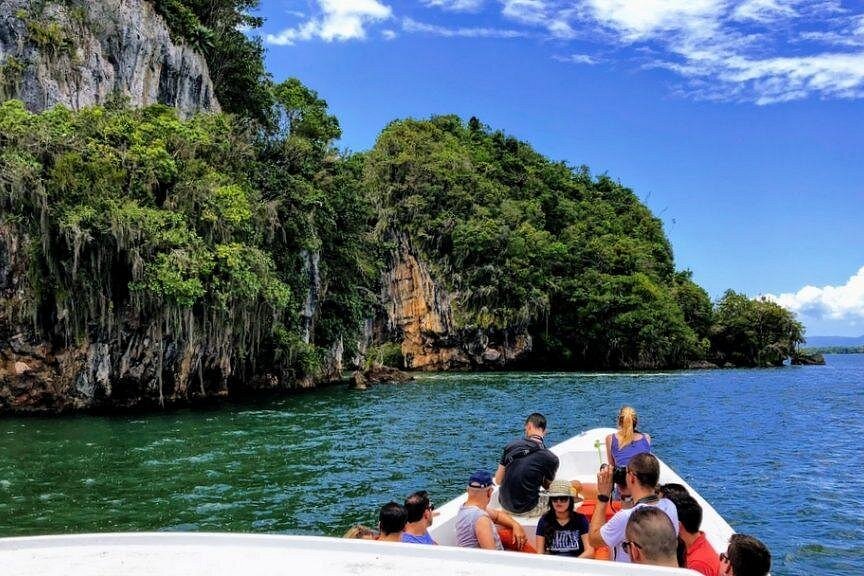
Los Haitises is famous for its karst landscape, where limestone hills, depressions and valleys create varied natural conditions.
The surface available for plant growth can change between different parts of a mogote.
Some areas have accumulated soil and organic material, while other exposed surfaces have relatively little soil.
These differences influence water retention and the ability of seedlings to establish roots.
Seeds that land in a moist depression may experience very different conditions from seeds that land on exposed limestone.
The park's geological diversity therefore influences where plants can grow and how forest regeneration takes place.
15. Threats to Fruits, Seeds and Natural Regeneration
Plant reproduction depends on healthy habitats and functioning ecological relationships.
Several pressures can interfere with these processes.
Loss of mature trees
Removing mature trees reduces the number of plants producing flowers, fruits and seeds.
Habitat fragmentation
Fragmented forest areas may reduce movement opportunities for some seed-dispersing animals.
Loss of wildlife
A decline in fruit-eating animals can affect the movement of seeds for plants that depend on animal dispersal.
Fire
Uncontrolled fires can destroy fruits, seeds, seedlings and mature vegetation.
Agricultural disturbance
Land clearing, soil compaction and repeated disturbance can make natural plant establishment more difficult.
Illegal plant collection
Removing seeds, fruits and young plants from natural habitats can reduce local plant populations.
Protecting plant reproduction therefore requires conserving the entire ecosystem, including vegetation, wildlife and soil conditions.
16. How Forest Restoration Supports Seedling Growth
Restoring degraded forest areas involves creating conditions in which native plants can establish and survive.
Depending on the location, restoration may involve:
- Protecting existing natural regeneration.
- Conserving mature seed-producing trees.
- Reducing repeated disturbance.
- Controlling invasive or aggressive vegetation where appropriate.
- Supporting natural seed dispersal.
- Planting suitable native species when natural recovery is insufficient.
- Monitoring seedlings and young trees over time.
A biodiversity assessment prepared for Los Haitises also emphasizes the importance of maintaining remaining relatively intact forest fragments as sources for future recovery.
It identifies challenges associated with pasture grasses and degraded land in some areas.
This reinforces the importance of protecting natural seed sources and understanding local conditions before selecting restoration methods.
17. How Visitors Can Protect Fruits and Seeds
Visitors can help protect the park's natural vegetation through simple responsible actions.
When observing fruits and seeds:
- Do not collect fruits, seeds or seedlings.
- Avoid breaking branches to reach fruit.
- Do not disturb wildlife feeding on natural food sources.
- Avoid trampling young plants.
- Stay within authorized visitor areas.
- Follow the instructions of park guides.
- Do not introduce seeds or plants from outside the park.
Even small seeds can be part of an important natural process.
Leaving fruits and seeds in their habitats helps maintain the ecological relationships that support forest regeneration.
Frequently Asked Questions
1. Why are fruits important in Los Haitises?
Fruits help plants reproduce by protecting seeds and, in many species, attracting animals that transport seeds to new locations.
2. How do birds disperse seeds?
Fruit-eating birds consume fruits and may deposit viable seeds in other locations through their droppings.
3. Can bats spread seeds?
Yes. Some fruit-eating bats transport seeds between feeding locations and deposit them in new areas.
4. How does wind disperse seeds?
Wind carries lightweight seeds or fruits with wings, hairs or other structures that help them travel through the air.
5. How do mangroves reproduce?
Mangrove species have different reproductive strategies. Red mangroves produce elongated propagules that may detach and travel through water before establishing.
6. What is a seedling?
A seedling is a young plant that develops after a seed germinates.
7. Does every dispersed seed become a tree?
No. Many seeds fail to germinate or survive. Successful growth depends on suitable environmental conditions and protection from different threats.
8. Why is seed dispersal important for forest regeneration?
It allows plants to spread into new locations and helps vegetation recover after disturbance.
9. Does Los Haitises have native fruit-producing trees?
Yes. The park's botanical inventory documents a large diversity of native trees and shrubs, including species that produce fruits.
10. Can visitors collect seeds in Los Haitises?
Visitors should not remove seeds, fruits or other natural materials from the national park. They should observe plants without disturbing them.
Conclusion
Fruits and seeds are essential parts of the natural life cycle of plants in Los Haitises National Park.
After flowering and successful reproduction, plants produce seeds that can be transported by birds, bats, wind, water and other natural processes.
Some seeds reach suitable places and develop into seedlings, helping maintain and renew forest vegetation.
The park's diverse trees, shrubs and mangroves demonstrate how different plant groups use different reproductive strategies. Protecting these processes requires conserving mature vegetation, wildlife, soil and the habitats where young plants establish themselves.
For visitors, understanding fruits and seeds reveals another important part of Los Haitises: the natural processes that allow its forests and coastal vegetation to continue growing.
Local explorer & expert guide in Whale Sabana de la Mar.