Saona Island Photography Permits: A Guide to Commercial Filming and Professional Photoshoots
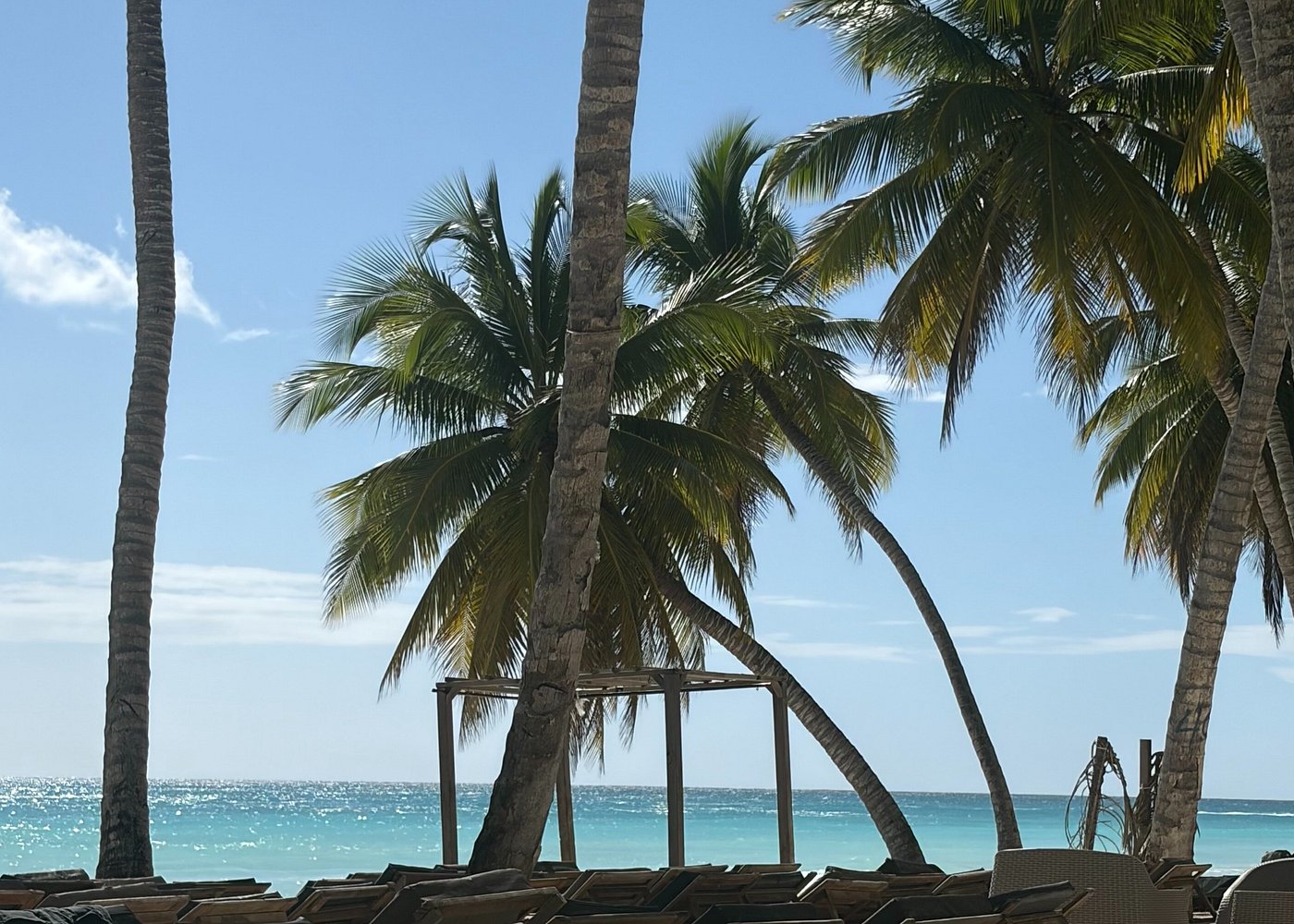
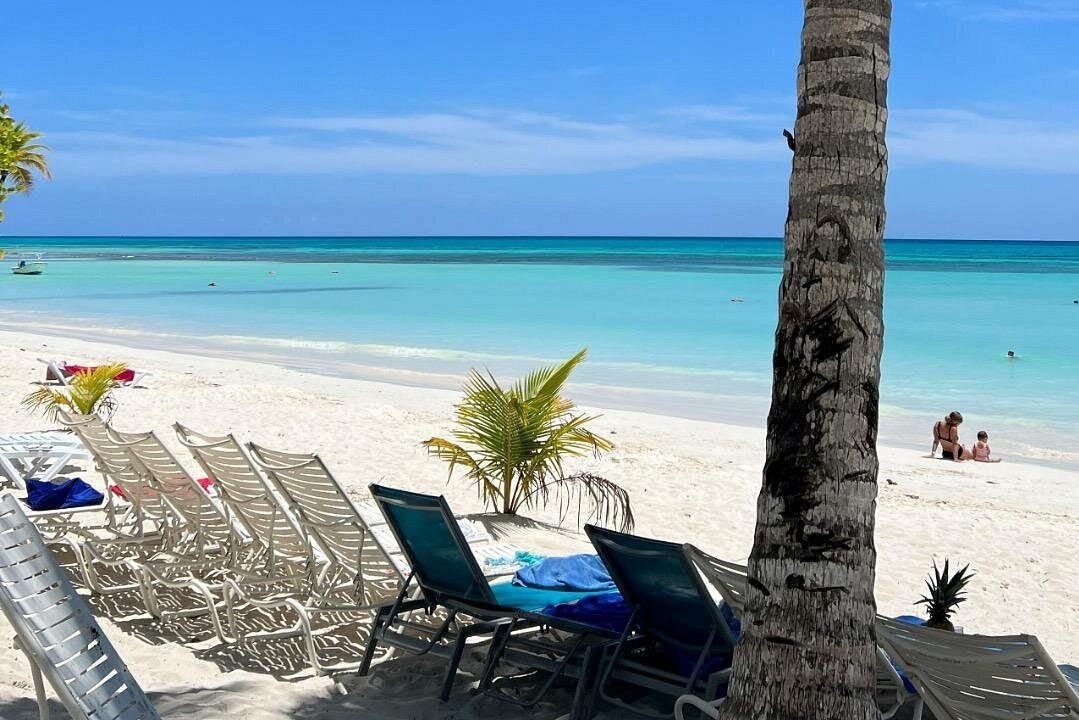
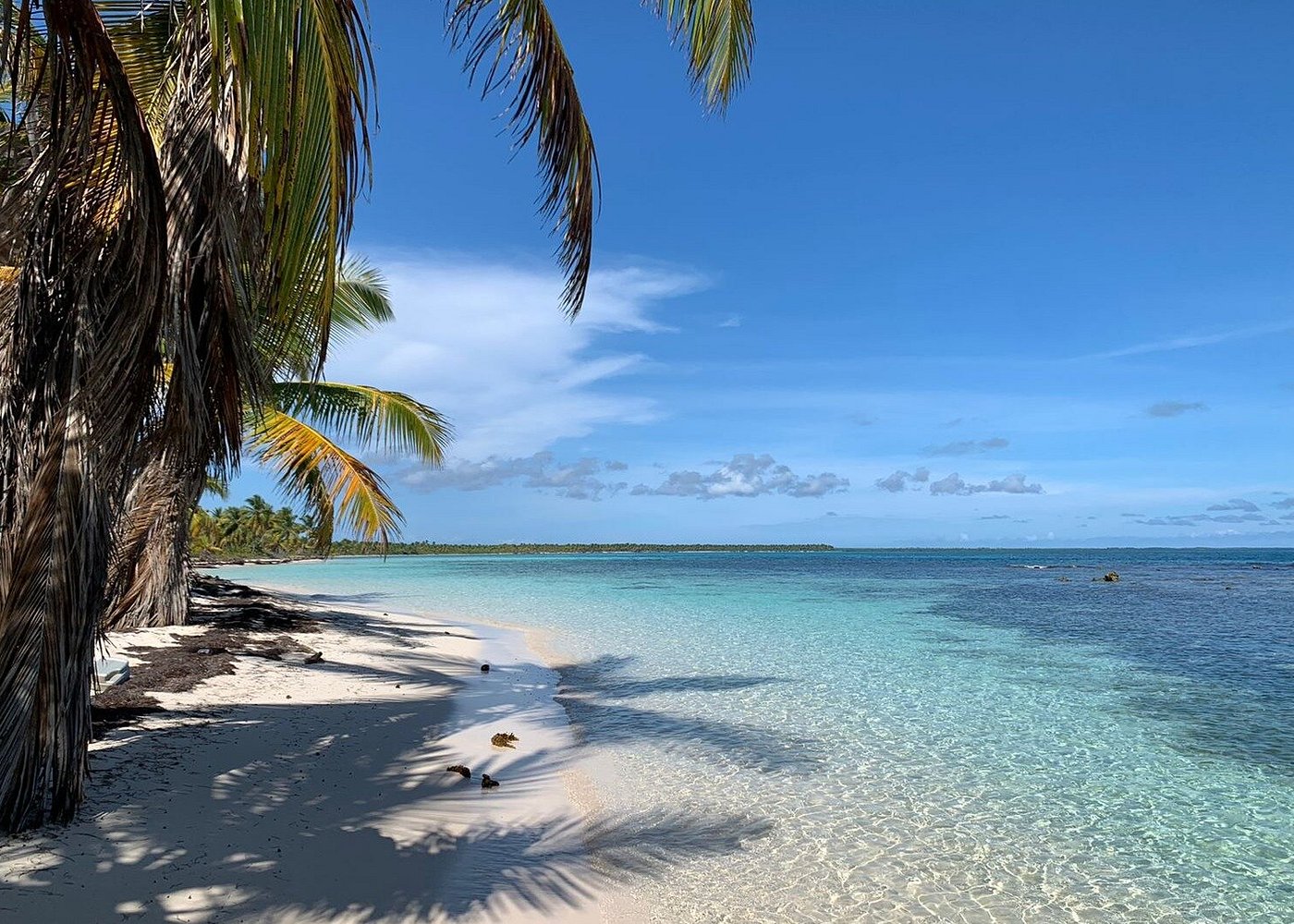
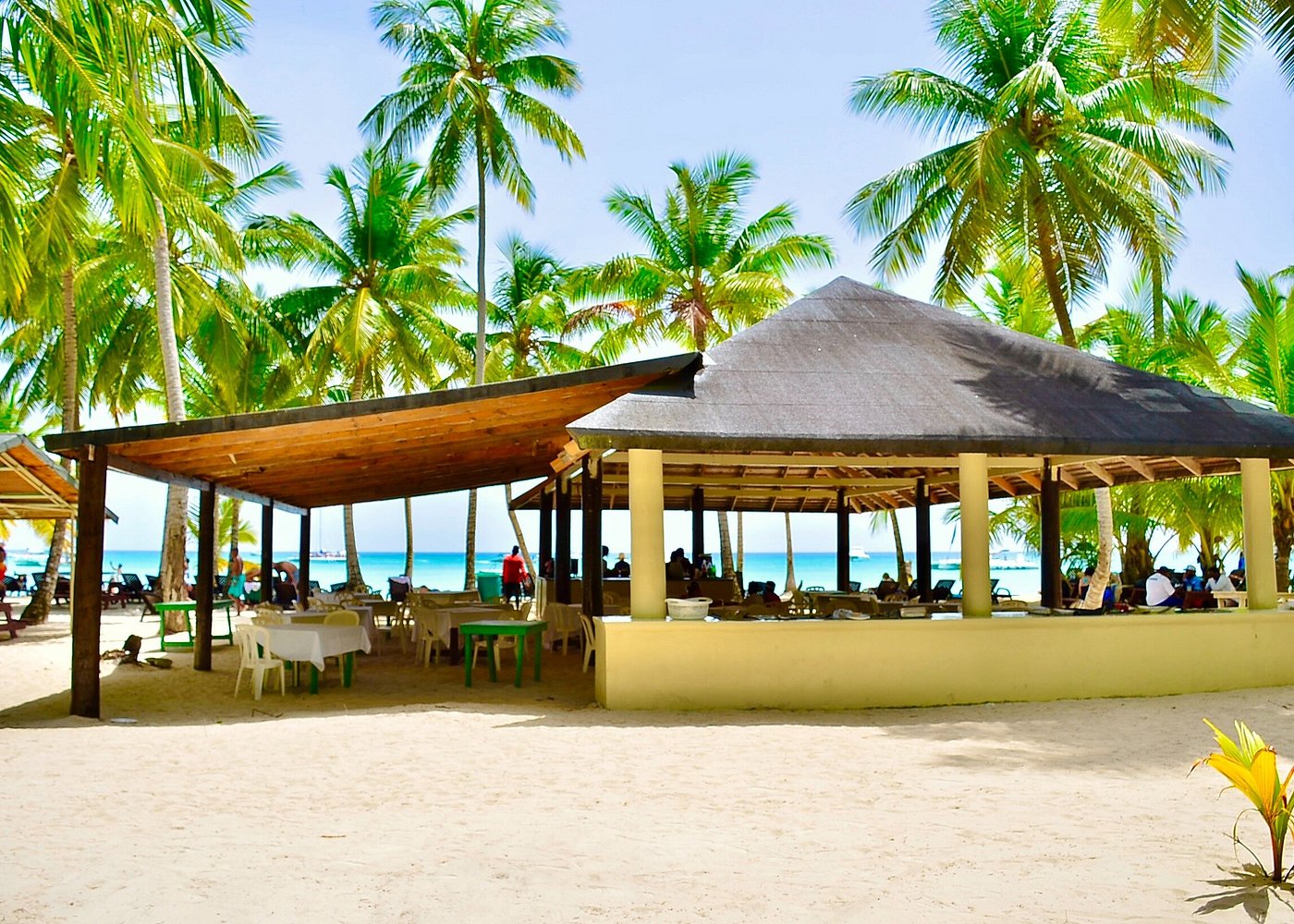
Saona Island is one of the most visually recognizable destinations in the Dominican Republic. Its turquoise water, white-sand beaches, tropical vegetation, and beautiful coastal scenery make it an attractive location for professional photography and video production.
Photographers, advertising agencies, travel brands, filmmakers, wedding professionals, and content creators may all be interested in using the island as a backdrop for their projects.
However, creating professional content in a protected natural area requires more planning than an ordinary holiday photoshoot.
Saona Island forms part of Cotubanamá National Park, a protected area in southeastern Dominican Republic. This means that production teams should consider environmental rules, location permissions, transportation arrangements, equipment restrictions, and the potential impact of their activities.
A small personal camera and a commercial production involving lighting equipment, assistants, props, and professional models are not necessarily treated in the same way.
This guide explains what to consider when planning a professional photoshoot or filming project on Saona Island, how to approach permission requests, and how to protect the natural environment during production.
1. Why Is Saona Island Attractive for Professional Photography?
Saona Island offers a combination of tropical landscapes that can work for different types of visual projects.
Its scenery can be suitable for:
- Travel advertising.
- Tourism campaigns.
- Fashion photography.
- Wedding and engagement photoshoots.
- Documentary filming.
- Destination marketing.
- Commercial video production.
- Social media campaigns.
- Editorial photography.
- Brand storytelling.
The island's natural appearance is one of its strongest attractions.
Rather than relying on artificial sets, production teams can use the existing landscape to create images that communicate a Caribbean atmosphere.
However, the visual appeal of a location should never be a reason to ignore environmental regulations or restrictions on commercial activity.
2. Is Saona Island a Protected Filming Location?
Saona Island is part of Cotubanamá National Park, which is a protected natural area in the Dominican Republic.
This is an important consideration for anyone planning organized commercial production.
Protected areas are managed to conserve their natural and cultural resources. Activities that involve organized filming, commercial use, equipment installation, or interference with normal visitor access may require additional review or authorization.
The rules can depend on the specific location and activity.
For example, taking ordinary holiday photographs is different from arranging a commercial advertising production with a crew, lighting equipment, temporary structures, and hired models.
Do not assume that permission to visit the island automatically includes permission to conduct a commercial photoshoot.
Before making arrangements, contact the relevant Dominican environmental authorities and ask whether the proposed activity requires authorization.
3. Do You Need a Photography Permit on Saona Island?
There is no universal answer for every type of photography.
The requirements may depend on:
- Whether the project is personal or commercial.
- Whether the photographs will be used in advertising.
- Whether filming involves a professional crew.
- The amount and type of equipment.
- Whether props or temporary structures are involved.
- Whether the project requires exclusive access to an area.
- Whether filming affects other visitors.
- Whether protected wildlife or sensitive habitats are involved.
A visitor taking casual holiday pictures with a phone should not automatically be treated as a commercial production.
On the other hand, a brand campaign or organized film production should not assume that ordinary visitor access is sufficient.
The safest approach is to describe the exact project to the responsible authority and request written clarification.
4. Which Authorities Should You Contact?
For a production project in a protected natural area, start with the Dominican Republic's environmental authorities.
The Ministry of Environment and Natural Resources (Ministerio de Medio Ambiente y Recursos Naturales) is an important starting point for questions about protected-area activities.
Depending on the type of production, other agencies or local stakeholders may also be relevant.
Your initial enquiry should explain:
- The name and purpose of the project.
- The exact filming locations.
- The proposed dates.
- The duration of the activity.
- The number of crew members.
- The equipment involved.
- Whether the content is commercial.
- Whether models, performers, or animals will appear.
- Whether temporary structures will be installed.
Ask the authorities to identify the correct application procedure and any additional permissions required.
Do not rely solely on informal verbal approval from a tour operator or accommodation provider when formal authorization may be necessary.
5. Personal Photography vs. Commercial Production
Understanding the difference between personal and commercial photography is important.
Personal photography
Personal photography generally includes:
- Holiday pictures.
- Family photographs.
- Personal travel videos.
- Casual phone photography.
- Non-commercial travel memories.
These activities are normally part of ordinary visitor behavior, subject to applicable visitor and protected-area rules.
Professional photography
Professional photography may involve paid services, professional clients, or organized production arrangements.
Examples include:
- Wedding photography services.
- Fashion photoshoots.
- Magazine assignments.
- Tourism marketing.
- Brand campaigns.
- Product photography.
The commercial purpose and scale of the activity may affect permission requirements.
Film and advertising production
A larger production may involve:
- Multiple cameras.
- Lighting equipment.
- Crew vehicles or boats.
- Production assistants.
- Models or performers.
- Temporary sets.
- Sound equipment.
- Drones.
- Exclusive filming arrangements.
These activities require careful planning and written clarification about what is permitted.
6. What Information Should Be Included in a Permit Request?
A clear application can help the relevant authority understand your project.
Prepare the following information before contacting the authorities.
Project details
Include:
- Production or company name.
- Project title.
- Project description.
- Commercial or non-commercial purpose.
- Intended audience.
- Final content distribution channels.
Location details
Identify:
- The exact proposed filming locations.
- Whether the location is a beach, forest, coastal area, or visitor facility.
- Whether several locations are involved.
- Whether the project requires access outside ordinary visitor areas.
Avoid describing the location simply as "Saona Island" if your production will take place in a specific sensitive area.
Schedule
Provide:
- Proposed production dates.
- Daily working hours.
- Setup and removal times.
- Total duration.
- Any alternative dates.
Crew and equipment
List:
- Number of crew members.
- Camera equipment.
- Lighting equipment.
- Tripods and support systems.
- Sound equipment.
- Temporary structures.
- Drones, if applicable.
Environmental safeguards
Explain how the production will:
- Avoid damaging vegetation.
- Prevent waste.
- Avoid disturbing wildlife.
- Keep equipment away from sensitive habitats.
- Avoid obstructing visitors.
- Remove all temporary materials.
Do not begin production until the applicable permissions have been clarified.
7. Choosing the Right Location for Your Photoshoot
Saona Island offers different visual environments, but not every location is suitable for every production.
The right location depends on the creative concept and environmental restrictions.
Beach environments
Beaches can provide open backgrounds, natural light, and attractive coastal scenery.
They may be suitable for fashion, travel, wedding, and lifestyle photography.
However, crews should avoid blocking public access or disturbing other visitors.
Palm-lined landscapes
Palm trees can create a recognizable Caribbean visual atmosphere.
Use existing paths and permitted areas rather than moving through vegetation or damaging plants to create a composition.
Coastal water backgrounds
The clear Caribbean water can work well for travel campaigns and editorial content.
Production teams should not place equipment in the water without appropriate safety planning and permission.
Village and community settings
If a project includes local communities or residential environments, obtain appropriate consent from the people and property owners involved.
Do not assume that being in a public location gives unlimited permission to feature individuals in commercial advertising.
8. Planning Professional Lighting and Camera Equipment
Equipment planning is important because transportation to an island location may be more complicated than working in a conventional studio.
Before traveling, prepare an equipment list.
Consider:
- Cameras and lenses.
- Tripods and monopods.
- Portable reflectors.
- Batteries and chargers.
- Memory cards.
- Protective camera cases.
- Cleaning equipment.
- Waterproof storage.
- Approved lighting equipment.
Salt air, sand, humidity, and water exposure can affect sensitive electronics.
Use protective storage and keep equipment away from exposed sand and splashing water.
For larger lighting arrangements, ask whether the proposed equipment is allowed and whether its installation requires additional permission.
Do not attach equipment to trees, rocks, or other natural features.
9. Drone Photography and Aerial Filming
Aerial photography can provide dramatic views of Saona Island's coastline.
However, drone use requires separate consideration.
A drone flight may be subject to aviation regulations, protected-area restrictions, safety requirements, and location-specific permissions.
Do not assume that permission for a ground-based photoshoot includes authorization to fly a drone.
Before arranging aerial production, confirm:
- Applicable Dominican aviation rules.
- Whether the proposed flight requires registration or authorization.
- Whether the location is subject to protected-area restrictions.
- Whether other aircraft or boat operations create safety concerns.
- Whether the proposed flight could disturb wildlife.
- Whether filming other people requires consent.
Avoid flying over crowds, wildlife, boats, or restricted areas without the necessary authorization.
For more detailed information, consult the Dominican Republic's aviation authority, Instituto Dominicano de Aviación Civil (IDAC), and the relevant environmental authorities.
10. Model Releases and Permission to Photograph People
Professional productions often feature models, performers, employees, or members of the public.
If a person will appear in commercial content, appropriate consent should be considered.
A model release may document:
- The person's permission to be photographed or filmed.
- How the images may be used.
- The intended advertising or publication channels.
- Whether the content may be edited.
- The duration and geographic scope of the usage rights.
- Any agreed compensation.
For children, obtain consent from the appropriate parent or legal guardian.
If local residents or workers are featured, treat them respectfully and explain the intended use of the material.
Avoid assuming that someone has agreed to commercial use simply because they appear in the background of a photograph.
For legal certainty, obtain advice on the applicable Dominican Republic laws and documentation.
11. Working With Local Photographers and Production Teams
Hiring local professionals can make a production more practical.
Local photographers, guides, boat operators, and production assistants may understand the transportation arrangements and conditions better than an outside team.
They may also help with:
- Location planning.
- Transport coordination.
- Local communication.
- Equipment movement.
- Scheduling.
- Weather-related changes.
- Identifying practical shooting locations.
However, hiring a local guide or photographer does not automatically replace any formal permit or protected-area authorization.
Make sure everyone involved understands the project's requirements before production begins.
12. Transportation and Logistics for Production Teams
A professional photoshoot requires more planning than an ordinary tourist visit.
Consider the following logistical issues.
Boat transportation
Confirm how the crew and equipment will reach the island.
Discuss luggage limits, equipment handling, departure arrangements, and return transportation with the authorized operator.
Equipment protection
Use padded, waterproof, and sand-resistant cases where appropriate.
Keep batteries and electronic equipment protected from moisture.
Crew scheduling
Allow enough time for transportation, setup, production, and equipment removal.
Do not assume that the crew can remain on the island beyond the normal arrangements of the transport provider.
Food and water
Arrange adequate drinking water and meals for the crew.
Avoid leaving food packaging or other waste behind.
Backup planning
Prepare alternatives in case weather, marine conditions, or access restrictions prevent the planned production.
13. Best Time of Day for Professional Photoshoots
Lighting has a major influence on the final appearance of photographs.
Although actual conditions vary, production teams often plan around different natural-light periods.
Early morning
Early morning can offer softer light and potentially quieter conditions.
It may be suitable for clean coastal compositions and natural lifestyle imagery.
Midday
Midday light is often stronger and creates more pronounced shadows.
Reflectors, diffusion equipment, or carefully selected compositions may help manage the contrast.
Late afternoon
Late afternoon can provide warmer light and softer shadows.
It is often useful for portraits, fashion, and destination imagery.
These are general photographic considerations, not guaranteed access windows. Production hours must follow the approved location arrangements.
14. Weather and Production Contingency Planning
Outdoor production depends on changing environmental conditions.
Rain, strong winds, high temperatures, and changing sea conditions can affect the schedule.
Prepare a contingency plan that includes:
- Alternative production dates.
- A backup shooting concept.
- Weather monitoring.
- Equipment protection.
- Safe transport arrangements.
- A clear cancellation procedure.
If marine conditions are unsafe, do not pressure boat operators to continue transportation simply to meet a production deadline.
Crew safety should always come first.
15. Environmental Rules for Commercial Filming
Productions in protected areas should minimize their impact.
A professional team should follow these principles:
Protect vegetation: Do not cut branches, remove plants, or move natural features to create a better background.
Protect wildlife: Avoid approaching, feeding, touching, or disturbing animals.
Protect marine habitats: Do not place equipment on coral, seagrass, or other sensitive underwater environments.
Manage waste: Carry out all packaging, batteries, food containers, and production materials.
Avoid permanent installations: Do not attach signs, decorations, or structures to natural features without explicit authorization.
Control noise: Avoid excessive noise that could disturb wildlife or other visitors.
Respect other visitors: Do not claim exclusive access to a public visitor area without proper authorization.
A responsible production should leave the location in the same or better condition than it found it.
16. Common Mistakes to Avoid
Professional productions can encounter problems when preparation is incomplete.
Avoid these common mistakes:
- Assuming ordinary visitor access automatically allows commercial filming.
- Booking transportation before checking production permissions.
- Bringing large equipment without confirming restrictions.
- Planning drone flights without checking aviation and protected-area rules.
- Forgetting model and property permissions.
- Ignoring weather and marine safety.
- Leaving temporary materials or waste behind.
- Assuming that an informal promise from a third party is formal authorization.
- Failing to explain the commercial purpose of the project.
- Planning production in sensitive habitats without checking restrictions.
A little preparation can prevent unnecessary delays and protect the destination.
17. A Practical Pre-Production Timeline
A useful production timeline can help organize the process.
Initial planning
- Define the creative concept.
- Identify the intended audience.
- Select potential locations.
- Estimate the number of crew members.
- Prepare a preliminary equipment list.
Permission and coordination
- Contact the relevant environmental authority.
- Confirm whether formal authorization is required.
- Check drone and aviation requirements if relevant.
- Discuss transport and location access.
- Obtain required consent documents.
Final preparation
- Confirm dates and working hours.
- Review the approved activity conditions.
- Prepare equipment protection.
- Arrange water and meals.
- Brief the crew on environmental rules.
Production day
- Follow the approved schedule.
- Respect all access restrictions.
- Keep the production area organized.
- Avoid disturbing wildlife.
- Remove equipment and waste.
After production
- Confirm that the location has been left clean.
- Organize media files.
- Check model and property permissions before publication.
- Follow any reporting or post-production conditions attached to the authorization.
18. Frequently Asked Questions
Do I need a permit for a professional photoshoot on Saona Island?
Requirements depend on the nature and scale of the activity, the commercial purpose, the location, and equipment. Contact the relevant environmental authorities to confirm whether authorization is required.
Can I take holiday photos on Saona Island?
Ordinary personal travel photography is different from an organized commercial production. Visitors should still follow normal visitor rules and respect protected habitats.
Can a brand arrange a commercial photoshoot on Saona Island?
A brand should first confirm whether its proposed activity is permitted and whether formal authorization is required. The project details, crew, equipment, and intended use should be disclosed.
Can I film a commercial advertisement on the beach?
Do not assume that ordinary beach access authorizes commercial filming. Confirm the rules for the exact location and proposed production.
Are drones allowed on Saona Island?
Drone operations may be subject to aviation regulations and additional protected-area restrictions. Check with IDAC and the relevant environmental authorities before flying.
Can I organize a wedding photoshoot on Saona Island?
A wedding photoshoot may be possible depending on the location, scale, and arrangements. Confirm any required permissions, transport, and venue or property consent before booking.
Can I bring professional lighting equipment?
That depends on the equipment and the location's rules. Include the complete equipment list when requesting permission.
Can I photograph local residents for an advertising campaign?
Obtain informed consent and appropriate usage permissions before using identifiable individuals in commercial material.
Can I reserve an entire beach for filming?
Do not assume exclusive access is available. Any request for restricted or exclusive use must be discussed with the relevant authority and location manager.
Who should I contact about filming permissions?
Start with the Dominican Republic Ministry of Environment and Natural Resources for activities in the protected area. Other authorities, including IDAC for drone operations, may be relevant depending on the project.
Conclusion
Saona Island offers an exceptional natural setting for professional photography and video production. Its Caribbean coastline, tropical vegetation, and distinctive scenery can support a wide range of creative projects.
However, producing commercial content in a protected destination requires careful planning.
Before organizing a photoshoot or film project, clarify the applicable permissions, identify the exact location, prepare an equipment list, arrange safe transportation, and obtain the necessary consent from people featured in the production.
Most importantly, respect the natural environment.
A successful production should not only create beautiful images but also demonstrate that professional creativity and environmental responsibility can work together.
With proper preparation and respect for local regulations, Saona Island can remain a remarkable destination for photography, filmmaking, and responsible visual storytelling.

Local explorer & expert guide in Whale Sabana de la Mar.