Saona Island Plastic Pollution: Marine Debris, Environmental Impacts & Responsible Visitor Tips
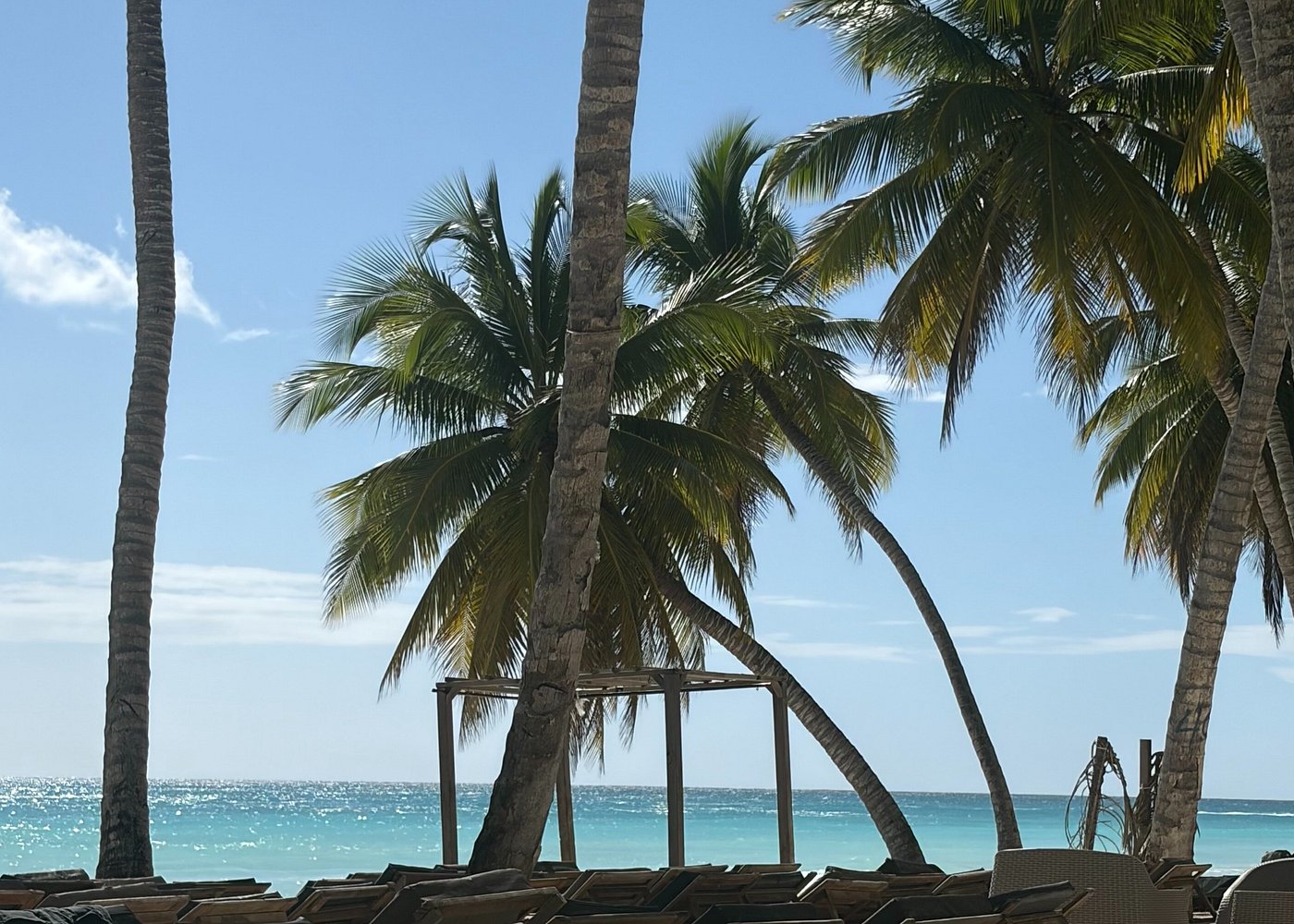
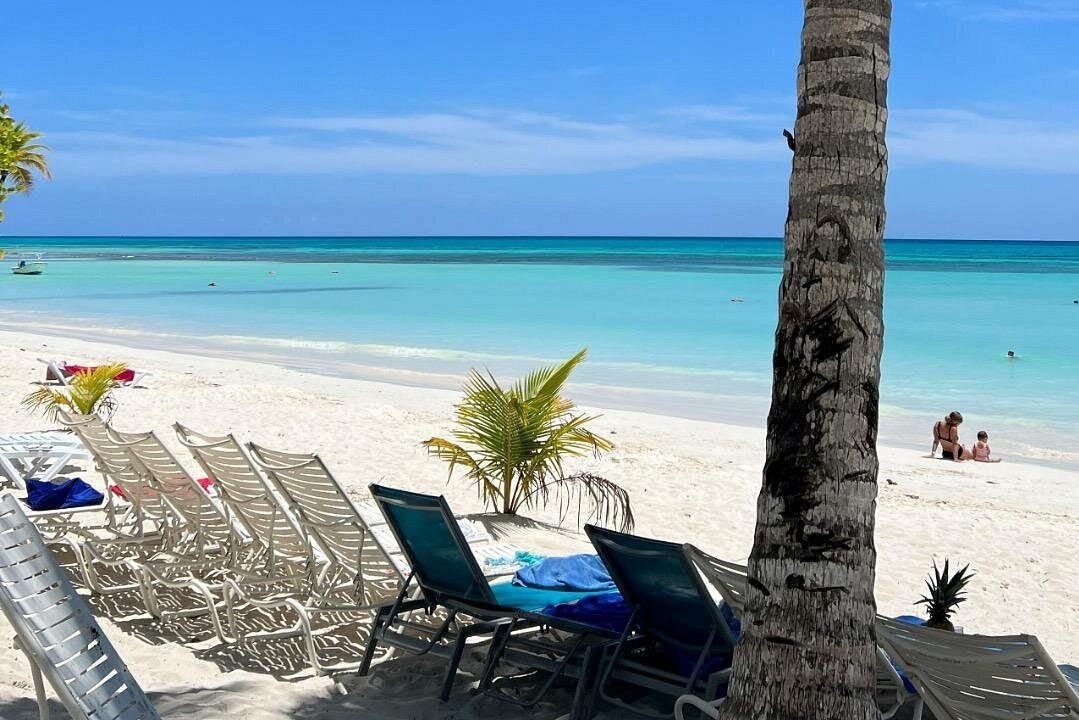
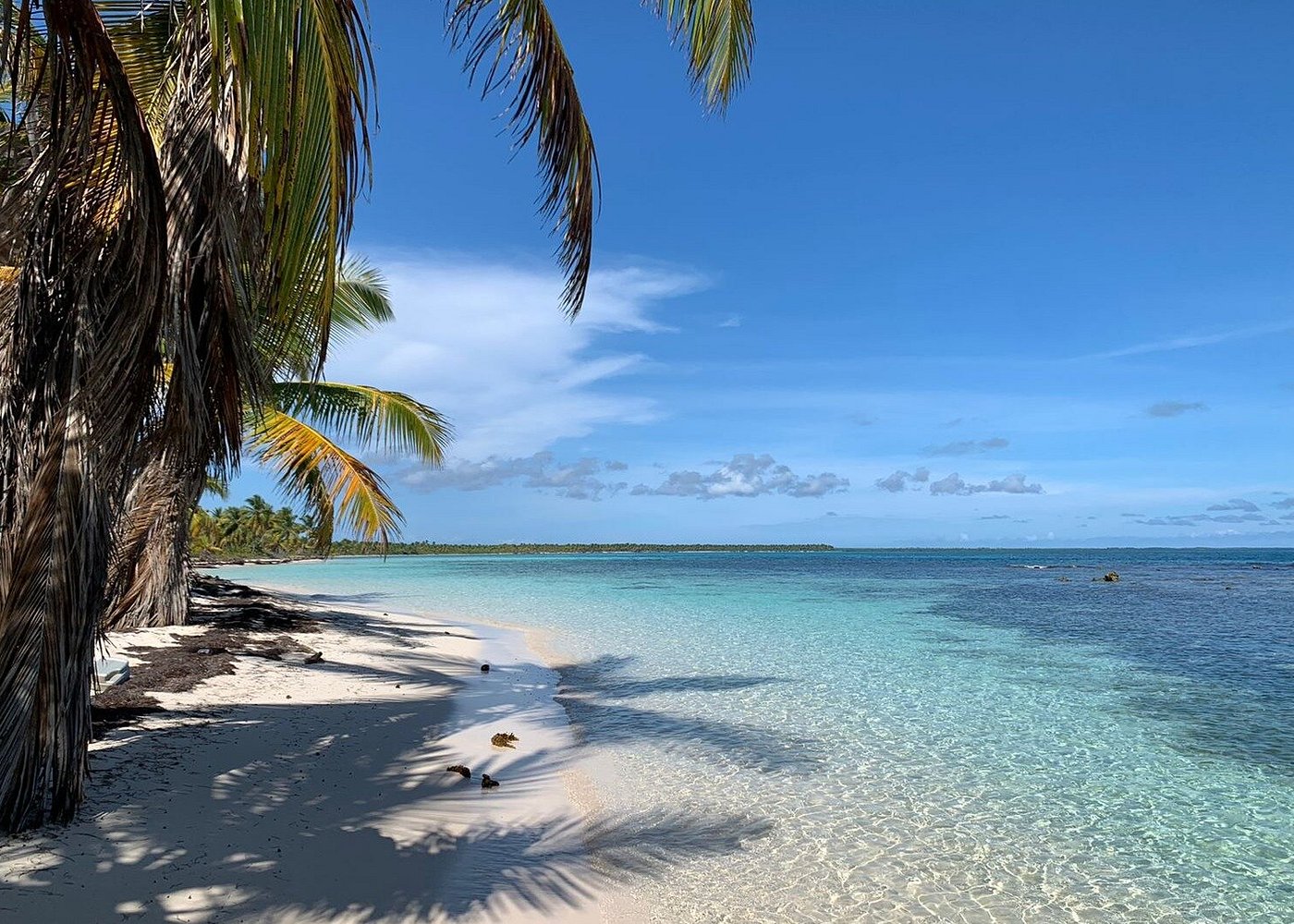
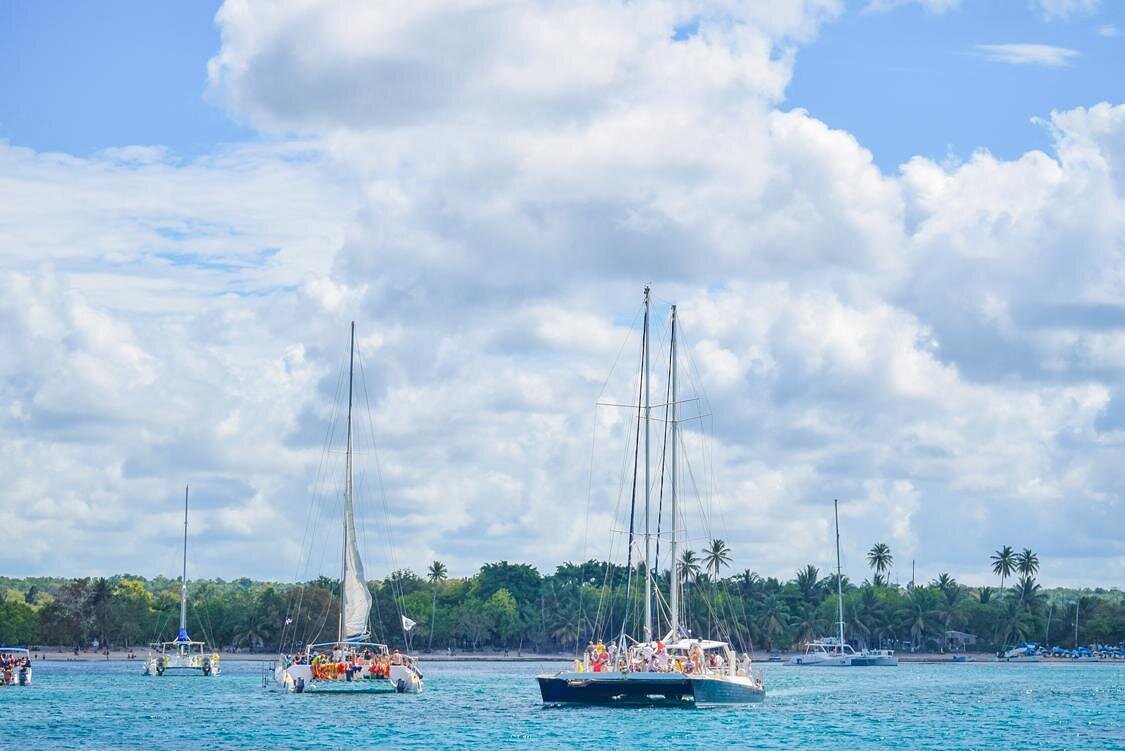
Saona Island is known for its beautiful Caribbean coastline, clear turquoise water, palm-lined beaches, and rich coastal scenery. Located in the Dominican Republic, the island is a popular destination for visitors who want to experience tropical beaches and explore the natural environment.
However, like many coastal destinations, Saona Island and its surrounding marine environment can face environmental pressures, including plastic waste and marine debris. Floating packaging, discarded bottles, fishing-related materials, and other litter can affect beaches, coastal habitats, and marine wildlife.
Plastic pollution is not only an environmental issue for local communities and conservation organizations. It is also something travelers should understand before visiting.
This guide explains what marine debris is, how plastic pollution can affect coastal ecosystems, what visitors should avoid, and how to make a Saona Island excursion more environmentally responsible.
1. What Is Plastic Pollution?
Plastic pollution occurs when plastic materials enter the natural environment and remain there instead of being properly collected, reused, or recycled.
Common examples include:
- Disposable plastic bottles
- Food wrappers and packaging
- Plastic shopping bags
- Drinking straws and disposable cups
- Plastic containers
- Fishing lines and abandoned fishing materials
- Small plastic fragments and microplastics
Some plastic waste is easy to see, while other pieces break down into smaller particles over time.
These tiny particles are known as microplastics. They can enter marine environments and may be consumed by marine organisms.
Plastic pollution can travel considerable distances through rivers, ocean currents, wind, and human activities. Therefore, marine debris found in a coastal area does not necessarily originate from that exact location.
2. Why Is Marine Debris a Concern Around Saona Island?
Saona Island is part of a coastal and marine environment that supports beaches, mangroves, seagrass beds, coral communities, and marine wildlife.
These habitats are connected. Pollution entering one part of the environment can affect other areas through water movement and ecological interactions.
Marine debris is a concern because it can:
- Reduce the cleanliness and natural appearance of beaches.
- Become entangled in marine animals.
- Be swallowed by wildlife that mistakes it for food.
- Damage sensitive coastal habitats.
- Break into smaller plastic particles.
- Create additional waste-management challenges for coastal communities.
The presence and amount of litter can vary with location, weather, ocean currents, and seasonal conditions. Visitors should not assume that every beach on Saona Island has the same pollution level.
3. Where Can Marine Plastic Waste Come From?
Marine debris can have several sources. Understanding these sources helps explain why plastic pollution is a wider environmental challenge.
Land-based waste
Plastic packaging, bottles, and other discarded materials can enter waterways when waste is not properly managed. Rivers and drainage systems may eventually carry some of this material toward the sea.
Coastal tourism activities
Tourism can generate waste through food packaging, beverage containers, disposable items, and other visitor-related materials.
Responsible waste collection and disposal are important wherever tourism takes place.
Fishing and marine activities
Fishing lines, ropes, nets, and other equipment can become marine debris if they are lost, abandoned, or improperly discarded.
Some fishing-related debris can remain in the water for extended periods and create entanglement risks.
Ocean currents and floating debris
Not all marine litter originates near the beach where it is found. Ocean currents can transport floating materials over long distances.
This means coastal pollution can be connected to waste-management problems far beyond a particular island.
4. How Does Plastic Pollution Affect Marine Wildlife?
Marine wildlife can be affected by plastic debris in several ways.
Ingestion
Some animals may mistake plastic fragments or floating materials for food. Once swallowed, plastic can cause physical injury, blockages, or other health problems.
Entanglement
Discarded fishing lines, ropes, nets, and plastic loops can trap marine animals. Entanglement may restrict movement, cause injuries, or interfere with feeding.
Habitat disturbance
Plastic debris can accumulate in coastal habitats and physically interfere with organisms and natural processes.
The impact depends on the type of debris, the affected species, and the location.
Microplastic exposure
Larger plastic objects can gradually break into smaller particles. Microplastics may be encountered by organisms at different levels of the marine food web.
Researchers continue to investigate the long-term ecological effects of microplastic exposure.
5. Can Plastic Pollution Affect Saona Island's Beaches?
Yes. Plastic debris can affect the appearance and environmental quality of beaches.
Even a relatively small amount of visible litter can make a beach less pleasant for visitors. More importantly, small fragments can be difficult to remove completely.
Plastic waste may be found in different forms, including:
- Bottles and bottle caps
- Food wrappers
- Broken plastic containers
- Pieces of fishing equipment
- Small plastic fragments
- Packaging carried by wind or water
Beach conditions can change over time. A beach that appears clean during one visit may have different conditions after rainfall, strong winds, or changes in ocean currents.
Visitors should avoid making broad assumptions about the condition of the entire island based on one beach or one excursion.
6. Why Are Mangroves and Seagrass Beds Important?
Mangroves and seagrass beds are important coastal ecosystems in tropical marine environments.
Mangroves provide habitat and shelter for various organisms, help stabilize coastlines, and contribute to coastal ecosystem health.
Seagrass beds provide feeding and nursery habitats for marine life and play an important role in coastal ecosystems.
Plastic debris can become trapped among mangrove roots or accumulate in shallow-water habitats. Removing waste from these sensitive environments may require care because careless collection can damage plants, animals, or the surrounding habitat.
Visitors should not enter fragile areas or disturb vegetation simply to retrieve litter.
7. What Can Visitors Do to Reduce Plastic Waste on Saona Island?
Every visitor can make small decisions that help reduce unnecessary waste.
Carry a reusable water bottle
A reusable bottle can reduce dependence on single-use plastic bottles.
Before your trip, check whether your tour operator provides safe drinking-water refill facilities. Do not assume that refill stations are available.
Avoid unnecessary disposable items
Consider bringing reusable alternatives where practical.
For example:
- A reusable shopping bag
- A refillable water bottle
- A reusable food container, if permitted
- Reusable utensils, if needed
Keep all packaging with you
Do not leave food wrappers, bottle caps, tissues, or other waste on the beach.
Keep a small reusable waste bag in your daypack so you can carry your rubbish until you find an appropriate disposal point.
Follow your tour operator's waste instructions
Ask how waste is collected and handled during the excursion.
A responsible operator should be able to explain basic waste-management procedures and tell visitors where to dispose of rubbish.
Avoid releasing anything into the sea
Never throw plastic packaging, cigarette filters, food containers, or other rubbish into the water.
Even small objects can become marine debris.
8. Should You Join a Beach Cleanup?
Beach cleanups can help remove litter and raise awareness about marine pollution. However, visitors should participate only in organized activities that are appropriate for the location.
Before joining a cleanup, check:
- Whether the activity is organized by a legitimate local group.
- Whether permission is required for the selected area.
- Whether suitable gloves, bags, and safety equipment are provided.
- How collected waste will be transported and disposed of.
- Whether the activity avoids disturbing wildlife and sensitive habitats.
Do not assume that a formal cleanup program is available on Saona Island. Ask local organizations, relevant authorities, or your tour provider about legitimate opportunities.
If you notice hazardous waste, sharp objects, medical waste, or potentially dangerous materials, do not handle them yourself. Report their location to the appropriate local authority or tour staff.
9. What Should You Avoid During a Saona Island Excursion?
Responsible travel is about avoiding harmful actions as well as making positive choices.
During your visit, avoid:
- Throwing rubbish into the sea.
- Leaving packaging on beaches.
- Burying plastic waste in sand.
- Burning rubbish.
- Removing natural materials from protected habitats.
- Walking through sensitive mangrove areas without permission.
- Touching or disturbing marine animals.
- Handling unidentified waste or sharp objects.
- Assuming that someone else will collect your rubbish.
These simple precautions can help reduce unnecessary environmental pressure.
10. How Can Tour Operators Help Reduce Plastic Pollution?
Tour operators play an important role in managing visitor-related waste.
Useful practices may include:
- Providing clearly marked waste collection points.
- Reducing unnecessary single-use plastic items.
- Encouraging reusable bottles where safe refilling is available.
- Giving passengers a short environmental briefing.
- Ensuring waste is brought back to appropriate disposal facilities.
- Working with legitimate local environmental organizations when suitable.
Travelers can ask operators about their waste-management practices before booking.
Rather than relying only on advertising claims such as "eco-friendly," ask practical questions about what the company actually does.
11. How to Pack for a Lower-Waste Saona Island Trip
You do not need complicated equipment to reduce your environmental footprint.
Consider packing:
ItemWhy it helpsReusable water bottleReduces single-use bottle wasteSmall reusable bagKeeps personal rubbish containedReusable shopping bagAvoids unnecessary plastic bagsReusable utensilsReduces disposable cutleryLightweight daypackKeeps belongings organizedReef-conscious sun protectionHelps you make informed product choices; follow local guidance
Check your tour operator's rules before bringing containers, food, or other items onto the boat.
12. How to Choose a More Responsible Saona Island Tour
A tour company's environmental practices can make a difference to the visitor experience and waste generated during an excursion.
Before booking, consider asking:
- How does the company collect and dispose of passenger waste?
- Are disposable plastic items provided during the trip?
- Can passengers bring reusable water bottles?
- Are visitors given instructions about protecting beaches and marine life?
- Does the operator follow the rules of relevant protected areas?
- Does the company have a clear policy for handling waste during boat trips?
Look for specific answers rather than vague environmental promises.
A responsible excursion should respect local regulations, protect sensitive habitats, and encourage passengers to avoid littering.
13. Is Saona Island Still Worth Visiting?
Plastic pollution is a serious environmental issue, but it does not mean travelers should automatically avoid visiting Saona Island.
The island remains known for its natural coastal scenery and marine environment. Visitors can enjoy a trip while making thoughtful choices that reduce unnecessary waste.
The important thing is to understand that beautiful destinations require care. Tourism can bring economic opportunities, but it should also respect the natural systems that make a place attractive.
Before traveling, check current beach conditions and choose a tour provider that takes environmental responsibility seriously.
14. Frequently Asked Questions
Is there plastic pollution on Saona Island?
Plastic pollution is a concern in marine and coastal environments worldwide, including the wider Caribbean. Conditions can vary across Saona Island, and the amount of visible debris may change with currents, weather, and local waste-management practices.
What types of plastic waste can affect Caribbean beaches?
Common examples include bottles, caps, food wrappers, bags, containers, fishing lines, and smaller plastic fragments.
Can marine animals eat plastic?
Yes. Some marine animals may mistake plastic for food. Ingested plastic can cause physical harm and other health problems.
Does plastic waste only come from tourists?
No. Marine debris can originate from land-based waste, coastal activities, fishing and marine operations, and materials transported by ocean currents.
Can I bring a reusable water bottle on a Saona Island tour?
Many travelers can carry a reusable bottle, but you should check your tour provider's requirements and ask whether safe refill facilities are available.
Are there organized beach cleanup programs on Saona Island?
Do not assume that a particular program is available. Ask legitimate local organizations, relevant authorities, or your tour provider about current, authorized activities.
Should I pick up plastic waste if I see it on the beach?
You can consider picking up ordinary, safe litter if local rules permit and you can do so without disturbing wildlife or habitats. Avoid sharp, hazardous, unidentified, or potentially contaminated materials.
How can I help protect Saona Island after my visit?
Reduce disposable plastic use, avoid littering, choose responsible tour operators, share accurate environmental information, and support legitimate conservation initiatives.
Conclusion
Saona Island's beaches and surrounding marine environment are valuable natural assets. Plastic pollution and marine debris can threaten coastal habitats, affect wildlife, and reduce the quality of the visitor experience.
Travelers can help by carrying reusable items, keeping rubbish with them, following tour operator instructions, and avoiding disturbance to sensitive habitats.
Responsible travel does not require complicated actions. It begins with everyday decisions and respect for the destination.
When visiting Saona Island, enjoy its natural beauty while helping keep its beaches and waters cleaner for local communities, wildlife, and future visitors.

Local explorer & expert guide in Whale Sabana de la Mar.