Saona Island Caves: Exploring the Taíno Heritage of Cotubanamá National Park
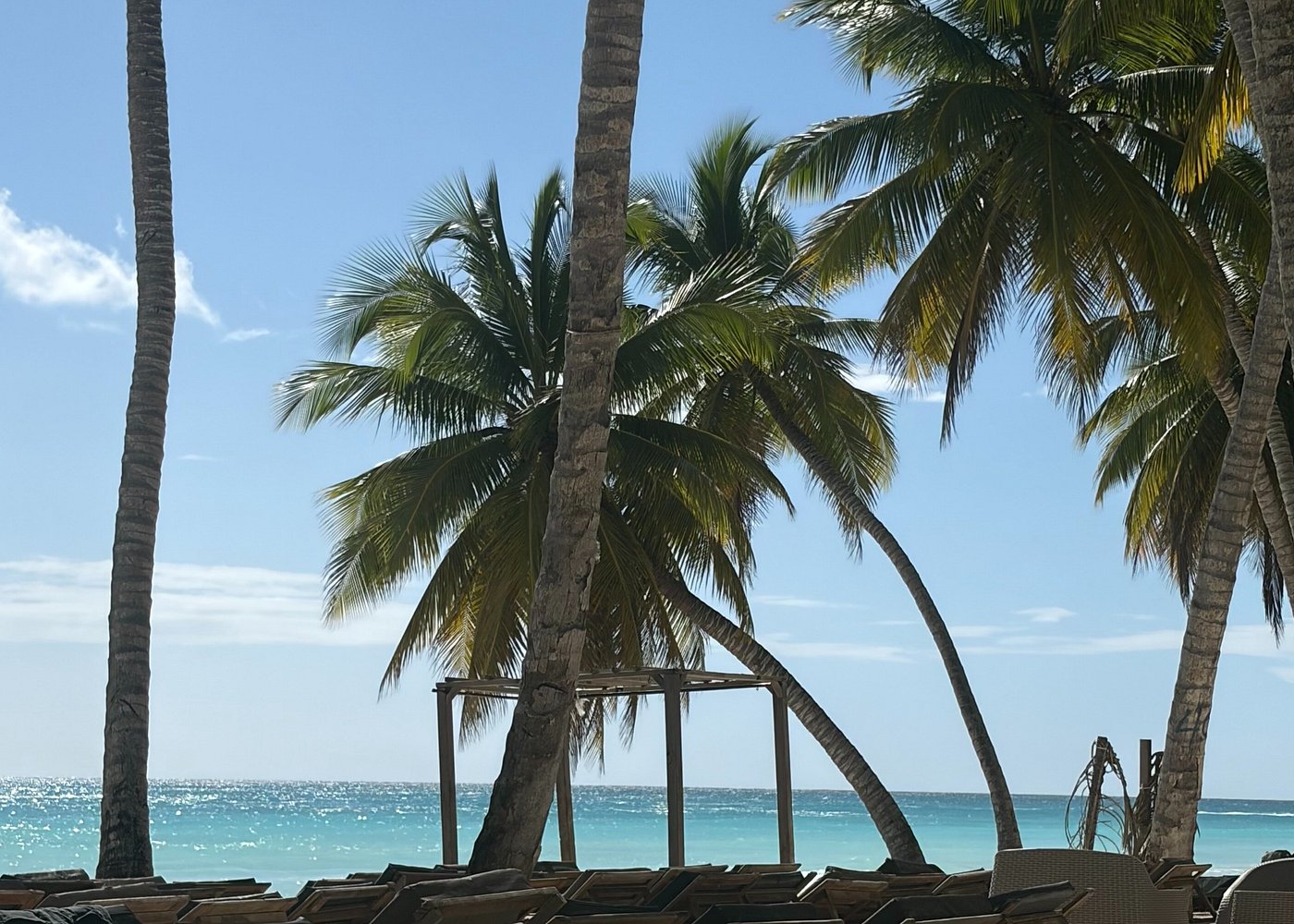
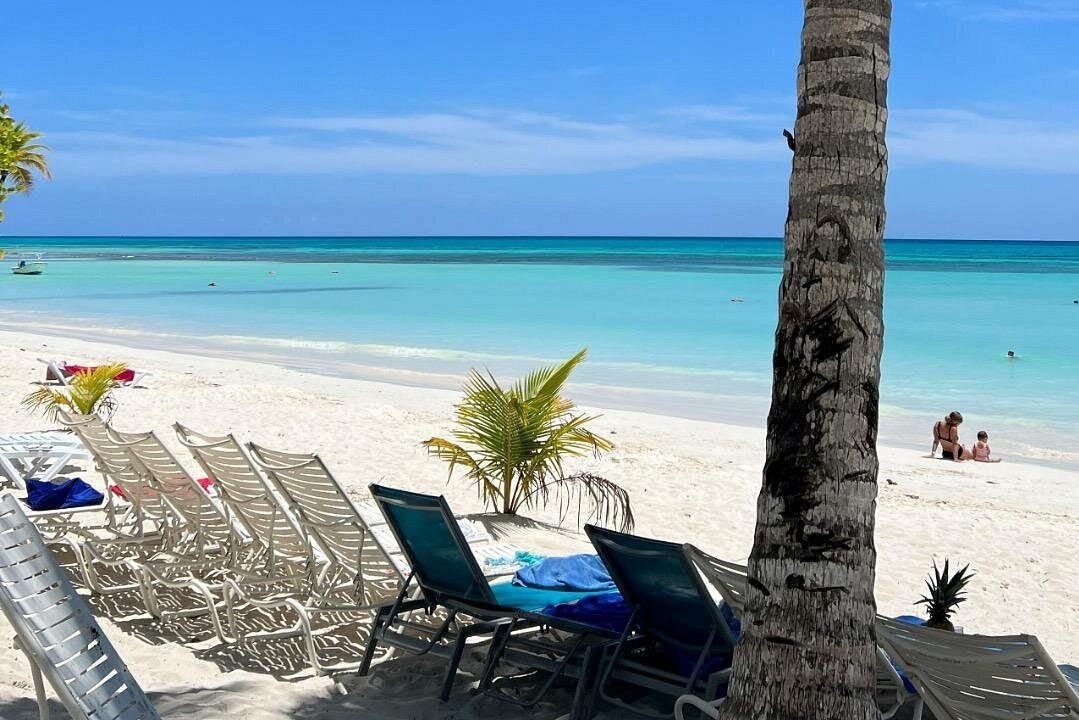
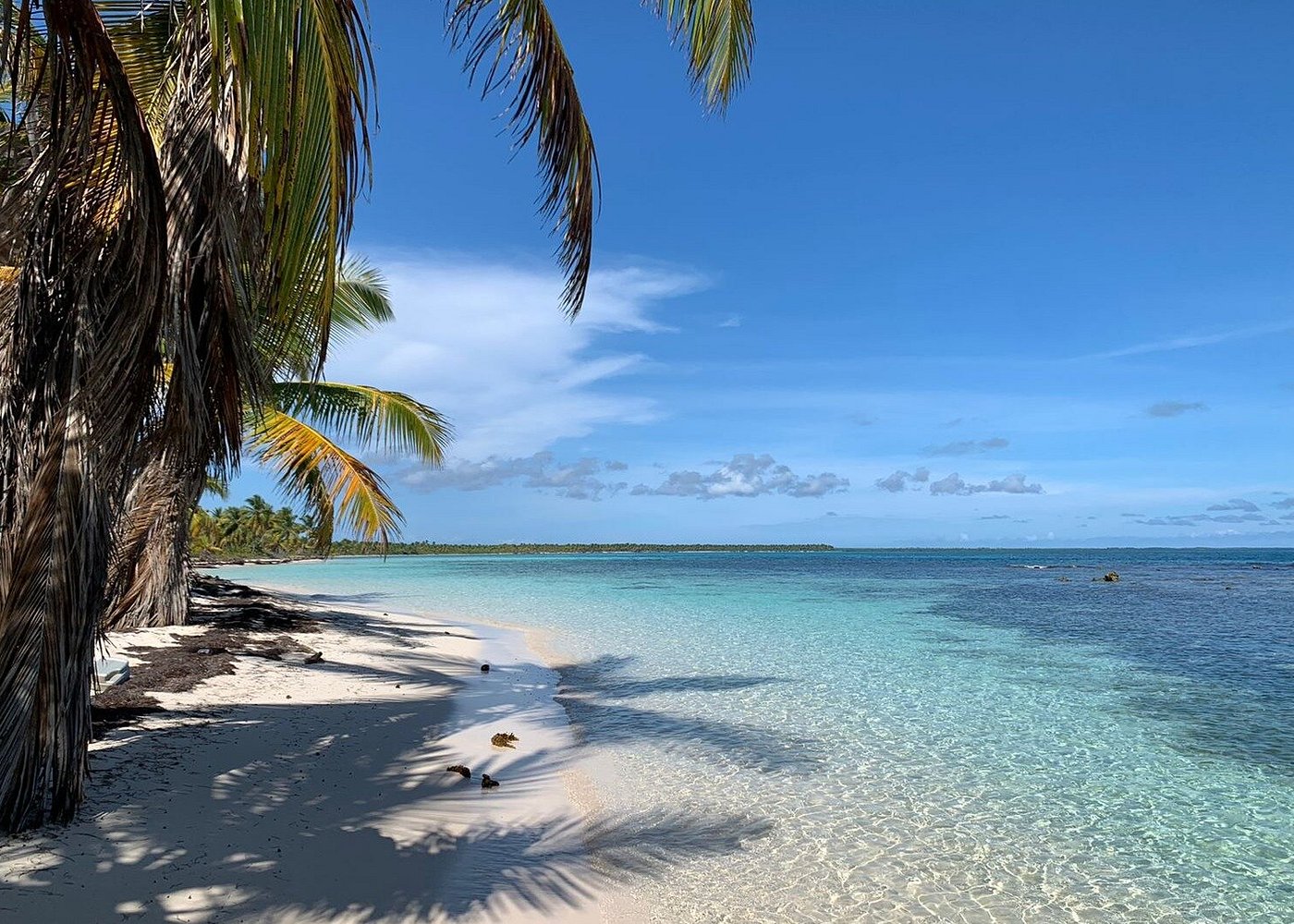
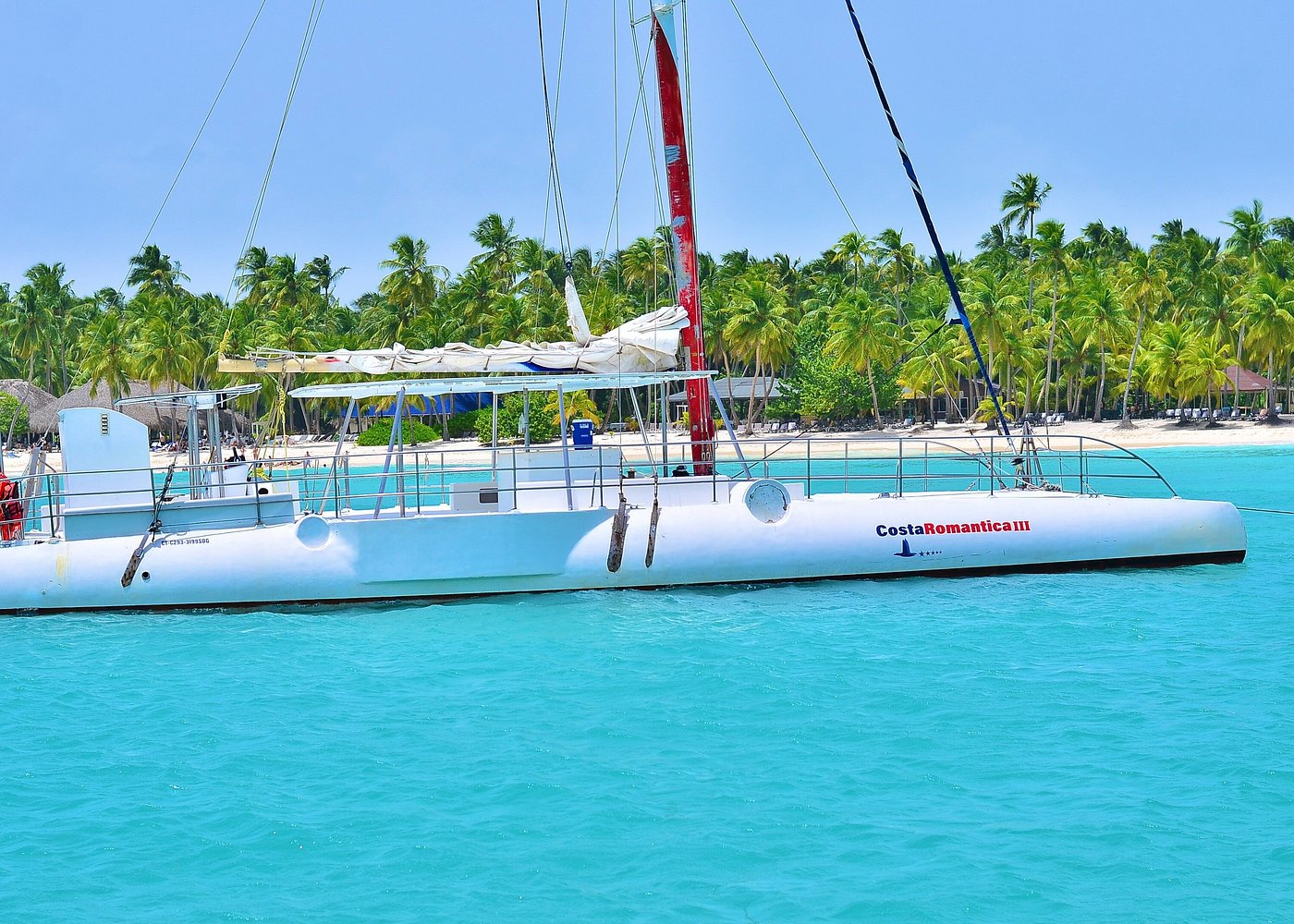
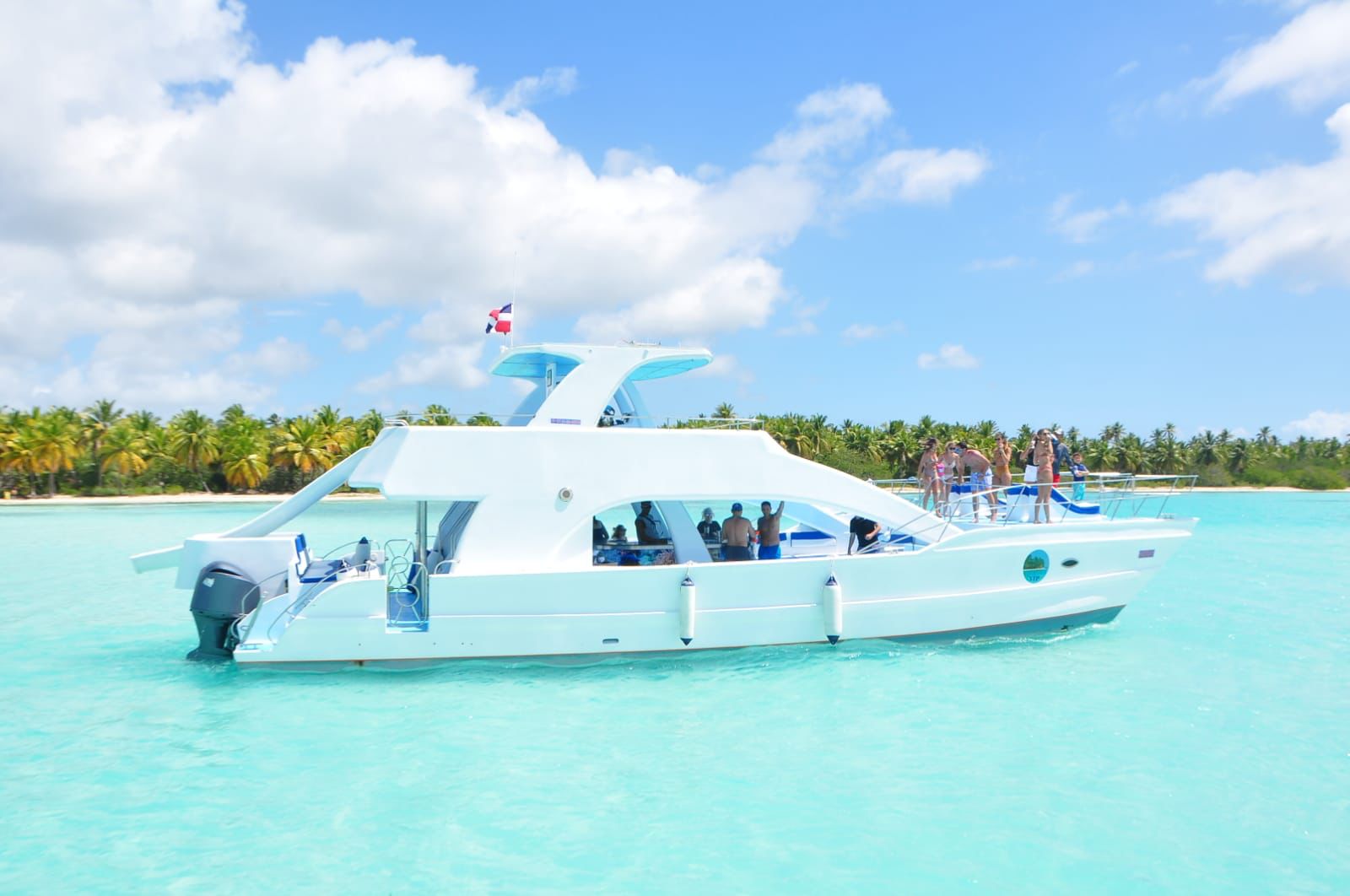
Saona Island is famous for its Caribbean beaches, turquoise water, palm trees, and boat excursions. However, the wider protected area surrounding the island has another fascinating attraction: a rich archaeological landscape that includes caves, rock shelters, and traces of ancient Taíno communities.
These caves provide a glimpse into the history of the Indigenous people who lived in the region before European colonization. Some contain pictographs, petroglyphs, and other archaeological evidence that helps researchers understand the area's cultural past.
The cave heritage is part of the wider story of Cotubanamá National Park, the protected area that includes Saona Island and its surrounding marine environment.
However, visitors should understand an important detail: several famous archaeological caves are located on the mainland portion of the national park, not on the beaches commonly visited during Saona Island boat excursions. Some particularly fragile archaeological caves are also subject to strict access controls.
This guide explains the cave heritage associated with Saona Island and Cotubanamá National Park, introduces notable sites, and provides practical advice for travelers interested in history, archaeology, and nature.
1. Why Are Caves Part of the Saona Island Story?
Saona Island forms part of Cotubanamá National Park, a protected area in the southeastern Dominican Republic.
The wider park contains coastal landscapes, forests, mangroves, caves, archaeological sites, and marine habitats. Its cultural importance is connected to the people who inhabited the region long before modern tourism developed.
Caves and rock shelters were important features of the landscape because they could provide:
- Natural shelter.
- Access to certain freshwater sources.
- Spaces associated with cultural and ceremonial activities.
- Surfaces for rock art.
- Places that preserve archaeological evidence.
The caves are therefore more than geological formations. They are part of the historical and cultural heritage of the region.
UNESCO's Tentative List description of Cotubanamá National Park identifies the park as containing important archaeological remains, including caves with pre-Hispanic pictographs and petroglyphs. It also identifies Saona Island as part of the protected area.
2. What Is Cotubanamá National Park?
Cotubanamá National Park is a protected natural and cultural area in southeastern Dominican Republic. It was formerly known as Parque Nacional del Este.
The park includes Saona Island, the surrounding marine zone, and a substantial area of mainland territory.
Its landscapes include:
- Tropical forest.
- Coastal cliffs.
- Beaches.
- Mangrove areas.
- Wetlands.
- Caves and rock shelters.
- Marine habitats.
- Archaeological locations.
The park's importance comes from the relationship between its natural environment and its cultural history.
For visitors, this means that a trip to Saona Island can be part of a much wider exploration of a protected region.
You can learn more about the park through the official Dominican Republic tourism information.
3. Understanding Taíno Cave Heritage
The Taíno were Indigenous people of the Caribbean whose communities occupied many islands, including Hispaniola, before European colonization.
Archaeological sites in Cotubanamá National Park preserve evidence of their presence.
Some caves contain two important forms of rock art.
Pictographs
Pictographs are images created by applying pigments to a rock surface.
They may represent human figures, animals, symbols, or other visual forms.
These images are valuable because they provide evidence of artistic expression and cultural practices from earlier periods.
Petroglyphs
Petroglyphs are images or symbols made by carving, engraving, or scratching into rock.
They can appear on cave walls, stones, or other rock surfaces.
Both pictographs and petroglyphs are important archaeological resources. Their preservation requires careful management because physical contact, scratching, smoke, and uncontrolled visitor activity can damage them.
4. Cueva del Puente: A Notable Cave in Cotubanamá National Park
Cueva del Puente is one of the notable cave attractions associated with the mainland section of Cotubanamá National Park.
It is located in the Guaraguao area and is described by the Dominican Republic's official tourism website as a cave with multiple levels, stalactites, stalagmites, Taíno pictographs, and bats.
The surrounding route passes through tropical vegetation, creating an opportunity to experience the park's forest environment as well as its underground landscape.
The official tourism description mentions a trail of approximately three kilometres south of the park entrance and a walking approach of less than 30 minutes.
However, trail conditions, access arrangements, guide requirements, and visiting procedures can change. Confirm current arrangements with park authorities before making the journey.
What makes Cueva del Puente interesting?
Visitors interested in the site may appreciate:
- Its limestone cave formations.
- The presence of archaeological rock art.
- Its forest surroundings.
- The opportunity to learn about the park's natural history.
- Its importance as part of the region's cultural landscape.
This is a mainland park attraction, not a guaranteed stop on a standard Saona Island beach excursion.
5. Cueva de José María: Important Archaeological Heritage
Cueva de José María is another significant cave site associated with Cotubanamá National Park.
It is particularly important because of its collection of pre-Hispanic rock art.
The UNESCO Tentative List description identifies more than 1,200 pictographs in the José María cave complex and discusses its archaeological importance.
The cave provides evidence of the artistic and cultural activities of earlier inhabitants of the region.
However, this is not an ordinary tourist cave.
UNESCO's description states that certain fragile archaeological caves, including José María and Ramoncito, may only be visited for scientific purposes under special authorization from the relevant environmental authorities.
Travelers should not assume that they can enter these sites as part of a regular excursion.
Their cultural value depends on protecting the original archaeological material.
6. Cueva de Berna and Other Archaeological Locations
Cueva de Berna is another archaeological cave associated with the wider Cotubanamá region.
It is located near Boca de Yuma on the mainland side of the protected area.
The cave is known for its rock art and limestone formations. Its archaeological importance makes it a subject of interest for visitors studying the Indigenous history of the Dominican Republic.
The cave is not located on Saona Island itself.
Other archaeological locations in the national park also contain evidence of earlier settlements and cultural activities.
The existence of these sites demonstrates that the region's historical importance extends far beyond the modern beach-tourism experience.
7. Are There Caves Directly on Saona Island?
Saona Island is included within Cotubanamá National Park, and the park contains archaeological and natural cave environments.
However, it is important to distinguish between:
- Cave sites located on the island itself.
- Cave sites located elsewhere in the national park.
- Caves that are protected archaeological locations with restricted access.
- Cave attractions that may be accessible through an authorized guided visit.
Not every cave mentioned in travel articles about Cotubanamá National Park is located on Saona Island.
For this reason, travelers should confirm the exact location of any cave attraction before booking a visit.
A standard Saona Island boat excursion generally focuses on beaches and coastal stops. It should not be assumed to include mainland cave exploration.
8. Can Tourists Visit the Caves?
Some cave attractions in the wider national park may be visited through appropriate arrangements, but access is not the same for every site.
Different caves have different archaeological and conservation requirements.
For example, the official Dominican Republic tourism website describes Cueva del Puente as a visitor attraction.
By contrast, UNESCO's description identifies certain fragile rock-art caves as sites restricted to scientific visits with special authorization.
Before planning a cave visit, ask:
- Is the cave open to visitors?
- Is advance permission required?
- Must visitors be accompanied by an authorized guide or park staff?
- Is there an established walking trail?
- Are there age or physical requirements?
- Are photography and lighting equipment permitted?
- Are there restrictions on group size?
Do not enter an unmarked cave or archaeological location independently.
9. Why Must Archaeological Caves Be Protected?
Caves may appear durable because they are made of rock, but archaeological features can be extremely fragile.
Paintings, engravings, deposits, and other remains may be damaged by even small disturbances.
Common threats include:
Touching rock art
Hands can transfer oils and dirt to fragile surfaces.
Repeated contact can gradually damage archaeological features.
Scratching or writing on cave walls
Graffiti and deliberate markings can permanently alter historical surfaces.
Flash photography and artificial lighting
Some caves contain sensitive wildlife and delicate environments. Visitors should follow site-specific photography and lighting rules.
Disturbing bats and other animals
Caves may provide shelter for bats and other wildlife. Noise, physical contact, and unnecessary disturbance can affect their habitat.
Uncontrolled entry
Unregulated visits can damage formations, disturb archaeological deposits, and create safety problems.
Responsible access is essential for protecting both natural and cultural heritage.
10. What Should You Wear for an Authorized Cave Visit?
If you arrange an approved cave excursion, prepare for conditions that may be different from a beach visit.
Consider bringing:
- Comfortable walking shoes with good grip.
- Lightweight clothing.
- A small daypack.
- Drinking water.
- A flashlight only if permitted or requested.
- A waterproof bag for personal electronics.
- Any protective equipment recommended by the guide.
Avoid wearing open sandals if the route involves uneven ground.
Do not bring tools or equipment that could scratch or damage cave surfaces.
Always follow the guide's instructions about suitable clothing and equipment.
11. Is Cave Exploration Suitable for Everyone?
Not every cave visit is appropriate for every traveler.
Some routes may involve uneven surfaces, low ceilings, darkness, slippery ground, or narrow passages.
Before booking, ask about:
- Walking distance.
- Trail difficulty.
- Surface conditions.
- Steps or steep sections.
- Lighting.
- Ventilation.
- Required physical fitness.
- Available assistance.
Travelers with mobility concerns, claustrophobia, respiratory sensitivities, or difficulty walking on uneven surfaces should request detailed information before participating.
If a cave is restricted or unsuitable for your needs, do not attempt to enter it independently.
12. How to Combine Cave Heritage With a Saona Island Vacation
If you are interested in both beaches and archaeological heritage, consider treating them as separate activities within a wider Dominican Republic itinerary.
A possible planning approach is:
Day 1: Saona Island excursion
Enjoy an organized boat trip, explore the island's coastal scenery, and visit the stops included in your chosen tour.
Day 2: Mainland cultural and natural exploration
If authorized access is available, consider a separate mainland excursion to an appropriate cave attraction in the wider Cotubanamá region.
This approach avoids assuming that a beach boat tour includes cave visits.
It also gives you more time to understand the cultural significance of the archaeological sites.
Confirm transportation, access permissions, and operating arrangements before finalizing the itinerary.
13. Photography Etiquette Inside Caves
Photography can help visitors remember a cave experience, but archaeological sites require special care.
Before taking pictures:
- Ask whether photography is permitted.
- Follow restrictions on flash photography.
- Do not touch rock art to improve a photograph.
- Avoid placing equipment against cave walls.
- Do not use tripods where they could damage formations or obstruct paths.
- Never move archaeological objects for a better composition.
Some sites may prohibit photography entirely.
The preservation rules of the location should always take priority over getting a picture.
14. How to Choose a Responsible Cave Tour
If a guided cave visit is available, choose a provider that understands the protected area's rules.
Look for clear information about:
- Authorization and permitted access.
- The exact cave location.
- Guide qualifications or official arrangements.
- Group size.
- Safety equipment.
- Environmental protection practices.
- Photography restrictions.
- What is included in the excursion.
Avoid operators who encourage visitors to enter restricted archaeological caves or touch ancient rock art.
A responsible experience should help visitors understand the heritage without putting it at risk.
15. Frequently Asked Questions
Are there caves on Saona Island?
Saona Island is part of Cotubanamá National Park, a wider protected region with cave and archaeological heritage. However, some well-known caves discussed in connection with the park are located on the mainland, not on Saona Island itself.
What is the most famous cave associated with Cotubanamá National Park?
Cueva de José María is particularly notable for its extensive Taíno pictographs. Cueva del Puente is another recognized cave attraction.
Can visitors enter Cueva de José María?
Do not assume ordinary tourist access is permitted. UNESCO's Tentative List description says certain fragile archaeological caves, including José María, require special authorization and scientific-purpose access.
Can tourists visit Cueva del Puente?
Cueva del Puente is described as a visitor attraction by the Dominican Republic's tourism website. Confirm current access, guide arrangements, and conditions before visiting.
Are cave visits included in standard Saona Island tours?
You should not assume so. Standard island excursions generally focus on boat trips and coastal stops. Ask the operator whether a separate authorized cave visit is available.
What are Taíno pictographs?
They are images made by applying pigments to rock surfaces. They provide evidence of Indigenous artistic and cultural expression.
What are petroglyphs?
Petroglyphs are designs or symbols carved, engraved, or scratched into rock.
Can I touch cave paintings or carvings?
No. Avoid touching, scratching, marking, or otherwise disturbing archaeological features.
Are caves safe for children?
Suitability depends on the cave, route, access rules, and the child's abilities. Check age restrictions and safety requirements with the authorized provider.
Do I need a guide to visit archaeological caves?
Requirements vary by site. Some caves require accompanied visits or special authorization. Confirm the current rules with the relevant park authorities.
Conclusion
The caves associated with Cotubanamá National Park reveal an important part of the cultural history surrounding Saona Island.
Their Taíno pictographs, petroglyphs, limestone formations, and archaeological remains offer a different perspective on the Dominican Republic's southeastern region.
However, not all these caves are located on Saona Island, and some archaeological sites have strict access restrictions.
If you are interested in exploring this heritage, confirm the exact location and current visitor rules before planning your trip. Respect protected sites, follow authorized guides, and avoid touching or disturbing archaeological features.
Saona Island is more than a tropical beach destination. Its wider protected landscape also connects visitors with the natural and cultural history of the Caribbean.
Local explorer & expert guide in Whale Sabana de la Mar.